Exercise and the Brain: Why Movement Matters in Learning
5 March 2026
Ever had a moment when you went for a walk and suddenly, an idea just clicked? Or maybe you’ve found that studying after a quick run somehow feels... easier? Well, there’s some fascinating science behind all of that. It turns out that our brains and bodies are way more connected than we give them credit for.
Let’s go on a little mental jog (pun totally intended) to unpack how exercise isn't just great for your body—it’s a game-changer for your brain too, especially when it comes to learning.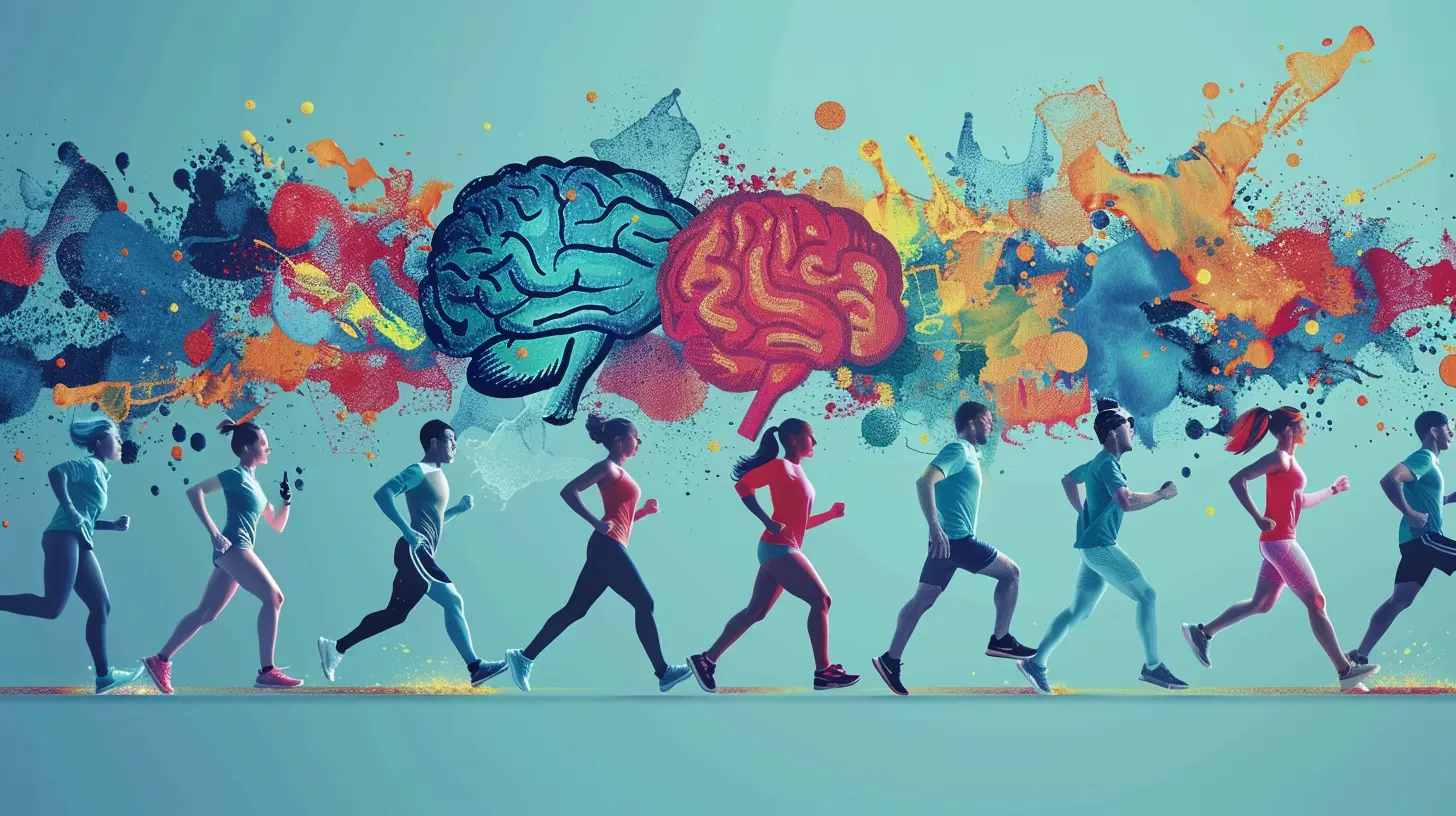
Movement Isn’t Just for Muscles—It Fuels the Mind
Alright, let’s start with the basics. We typically think of exercise as something to keep our weight in check, get those biceps pumped, or maybe just to justify that extra slice of pizza. But exercise doesn’t just sculpt your physique—it primes your brain for learning, memory, creativity, and emotional control.Think of your brain like a high-performance engine. It needs the right fuel to work its best. Strangely enough, jogging, dancing, jumping, or even stretching can be that very fuel.
What’s Going On Inside Your Brain When You Move?
Here’s where things get really cool. When you exercise, your heart pumps faster. This sends more oxygen and nutrients zipping through your bloodstream—straight to your brain. That alone helps wake things up. But it gets even better.Exercise increases the levels of Brain-Derived Neurotrophic Factor (BDNF). Never heard of it? Think of BDNF as a sort of brain fertilizer. It supports the growth of new neurons, strengthens existing ones, and helps them communicate better. That's HUGE for learning.
You also get a nice boost in neurotransmitters like dopamine, serotonin, and norepinephrine. These chemicals help you feel good, stay focused, and regulate your mood. It’s basically your brain shouting, “I’m ready to learn, let’s go!”
Why Students (and Teachers) Should Care
Now, if you’re a student, teacher, or lifelong learner—this is where your ears should perk up.Better Focus and Attention
Let’s be real: paying attention for hours in a classroom or on Zoom can feel like a mental marathon. The mind wanders; distractions are everywhere. But guess what? Even a short burst of physical activity can sharpen your focus.Studies have shown that just 20 minutes of moderate exercise can improve attention and cognitive control. Think of it as hitting the reset button on your brain. So next time you're stuck in a study slump, try doing a few jumping jacks or take a brisk walk. Your brain will thank you.
Improved Memory Retention
Learning isn’t just about absorbing info—it’s about keeping it. Think of memory like a filing system. Exercise helps you organize and store those files more efficiently.Several studies have found that aerobic activity (like running, swimming, biking) can significantly boost the hippocampus—the part of the brain responsible for memory and learning. Even better? It’s been observed that students who engage in regular physical activity actually perform better on tests.
Enhanced Creativity and Problem-Solving
Ever heard of a “think walk”? It’s a real thing. Walking—especially outdoors—has a unique way of sparking creativity. Your brain starts connecting dots you didn’t even know existed.Creative thinking isn’t just for artists. Whether you're writing an essay, solving a math problem, or brainstorming a group project, creativity plays a role. Movement makes your brain more flexible and open to new ideas.
Breaking Down the Brain Benefits by Age
Every stage of life benefits from exercise—but it works a little differently at each age.For Kids and Teens
Kids have an almost endless supply of energy, right? Well, channeling that energy into structured physical activity (like sports, dance, or even recess) can seriously boost their cognitive development.Exercise helps kids build stronger neural connections, regulate emotions, and improve classroom behavior. According to research, students who get regular physical activity tend to score better in reading and math. So maybe those playgrounds are actually secret learning labs?
For College Students
Between all-nighters, part-time jobs, and social events, college life can be chaotic. Exercise is a great way to manage stress and prevent burnout. It also enhances brain plasticity—which is a fancy way of saying your brain stays adaptable and continues learning effectively.Even a couple of 20-minute sessions a week can supercharge study sessions and improve concentration. Plus, group workouts can be a fun way to build social connections—another underrated brain booster!
For Adults and Seniors
The brain never stops learning—but it does need a little more TLC as we age. Exercise helps maintain cognitive functions, ward off age-related decline, and reduce the risk of diseases like Alzheimer’s.For older adults, even light activity like walking or stretching can improve memory and slow brain aging. It’s like giving your brain a tune-up. And let’s be honest—who doesn’t want to be the sharpest person in the room, regardless of age?
How Much Exercise Do You Need for Brain Gains?
Here comes the million-dollar question: how much movement do you really need?Well, the good news is—you don’t have to become a gym rat. Here’s a general guideline, as backed by health professionals:
- Kids & Teens: At least 60 minutes of physical activity every day.
- Adults: About 150 minutes of moderate-intensity aerobic activity per week (that’s just over 20 minutes a day).
- Seniors: Aim for 150 minutes/week, focusing on balance, flexibility, and strength.
The key here is consistency. You don’t have to do it all at once. Break it up. A 10-minute walk here, a dance session there—it all adds up.
Easy Ways to Add Movement to Your Learning Routine
Alright, let’s get practical. What are some simple ways to sneak more movement into your daily routine—without needing a gym membership or a fitness plan?Try Active Study Breaks
Instead of scrolling through your phone during study breaks, try bodyweight exercises—think squats, lunges, or jumping jacks. Even five minutes can reset your brain and improve your focus.Walk and Talk
If you're reviewing notes or having a group discussion, take it outside and walk while you talk. Walking meetings aren’t just a workplace trend—they can actually enhance idea flow.Stretch Between Subjects
Switching subjects? That’s a perfect chance to stand up, stretch, and move a little. Simple yoga poses or just a quick stroll around your room works wonders.Use Movement to Memorize
Got a list to memorize? Try adding hand motions or walking in a pattern while you recite it. Movement creates stronger memory associations.The Classroom of the Future: Should We Rethink How We Teach?
Here’s a curious thought—what if movement wasn’t just something we squeezed between lectures... but a core part of education?Some schools are already getting creative. They're introducing standing desks, implementing movement breaks, or even incorporating exercise into the curriculum. And guess what? Kids are more engaged, scores are going up, and behavioral issues are going down.
Imagine a learning environment where moving more meant learning better. It’s not sci-fi—it’s just neuroscience finally catching up with common sense.
Final Thoughts: Move Your Body, Sharpen Your Mind
At the end of the day, there’s no denying it: movement fuels the mind.Whether you’re a student trying to ace a test, a parent helping with homework, or a lifelong learner chasing your next “aha” moment—don’t sit still for too long. Your brain craves movement. It thrives on it.
So, lace up those sneakers, do that silly dance, take that walk, or just stretch out a bit while reading this. Your brain will light up in ways you never imagined.
And who knows? That next genius idea might just come to you during your next jog around the block.
all images in this post were generated using AI tools
Category:
Health EducationAuthor:

Zoe McKay
Discussion
rate this article
2 comments
Quill McGhee
Engaging in regular physical activity not only enhances cognitive function but also fosters creativity and improves memory retention. Incorporating movement into learning environments can significantly boost students' academic performance and overall well-being.
April 8, 2026 at 2:49 AM
Zoe McKay
Thank you for highlighting the crucial role of physical activity in enhancing cognitive abilities and creativity! Your insights reinforce the importance of integrating movement into educational settings for improved student outcomes.
Macey McFarland
This article compellingly highlights the critical link between physical activity and cognitive function. By integrating movement into learning environments, we can enhance engagement and retention, ultimately fostering a more holistic approach to education that addresses both mind and body.
March 6, 2026 at 11:57 AM
Zoe McKay
Thank you for your insightful comment! I’m glad you found the connection between physical activity and cognitive function compelling. Integrating movement into learning is indeed essential for a holistic educational approach.