Encouraging Healthy Sleep Habits in Teens
29 June 2026
Let’s be honest—getting your teenager to bed at a decent hour can feel like trying to wrestle a bear. A very stubborn, TikTok-scrolling, video-game-playing, caffeine-fueled bear. But here’s the thing: sleep isn’t just important for their mood (although, yes, it definitely helps tame the grumpiness); it’s critical for their physical health, emotional well-being, and academic performance.
So if you're a parent, guardian, teacher, or even a teen trying to crack the code to better sleep, you're in the right place. Let’s talk real about how and why we need to encourage healthy sleep habits in teens—and how to actually make sleep something they care about.
Why Do Teens Struggle with Sleep?
First off, let’s understand what’s happening. Teenagers aren’t just being dramatic when they say they’re not tired at 10 p.m.—there's science behind it.The Teenage Body Clock Shifts
During puberty, the body’s internal clock (aka circadian rhythm) naturally shifts. Melatonin, the hormone that helps us feel sleepy, gets released later in teens than in kids or adults. That’s why they don’t start to feel tired until much later in the evening.So, staying up until midnight? Totally normal. But getting up at 6 a.m. for school? That’s like asking an adult to be productive at 3 a.m.—not cool.
Packed Schedules & Digital Distractions
Between school, homework, sports, part-time jobs, and then whatever social life they’re trying to hang onto, teens are constantly juggling. Add screen time into the mix—phones, gaming, social media—and their brain is basically in “on” mode until the moment they crash.
The Real Cost of Sleep Deprivation in Teens
We know teenagers are tired, but what does that actually mean for them? Well... it’s kind of a big deal.Emotional and Mental Health Takes a Hit
Lack of sleep is directly linked to increased anxiety, depression, and mood swings in teens. Ever noticed how everything feels more dramatic after a terrible night’s sleep? For teens, that rollercoaster is a daily ride when they’re not getting enough rest.Poor Academic Performance
Sleep-deprived brains don’t retain information well. Concentration drops. Problem-solving becomes harder. And memory? Yeah, good luck with that. So cramming all night might sound like a good idea, but it’s actually one of the worst moves a teen can make.Risky Behavior Increases
Research shows that teens who don’t sleep enough are more likely to engage in risky behaviors—think reckless driving, substance use, and unprotected sex. Why? Because their impulse control and judgment take a serious nosedive.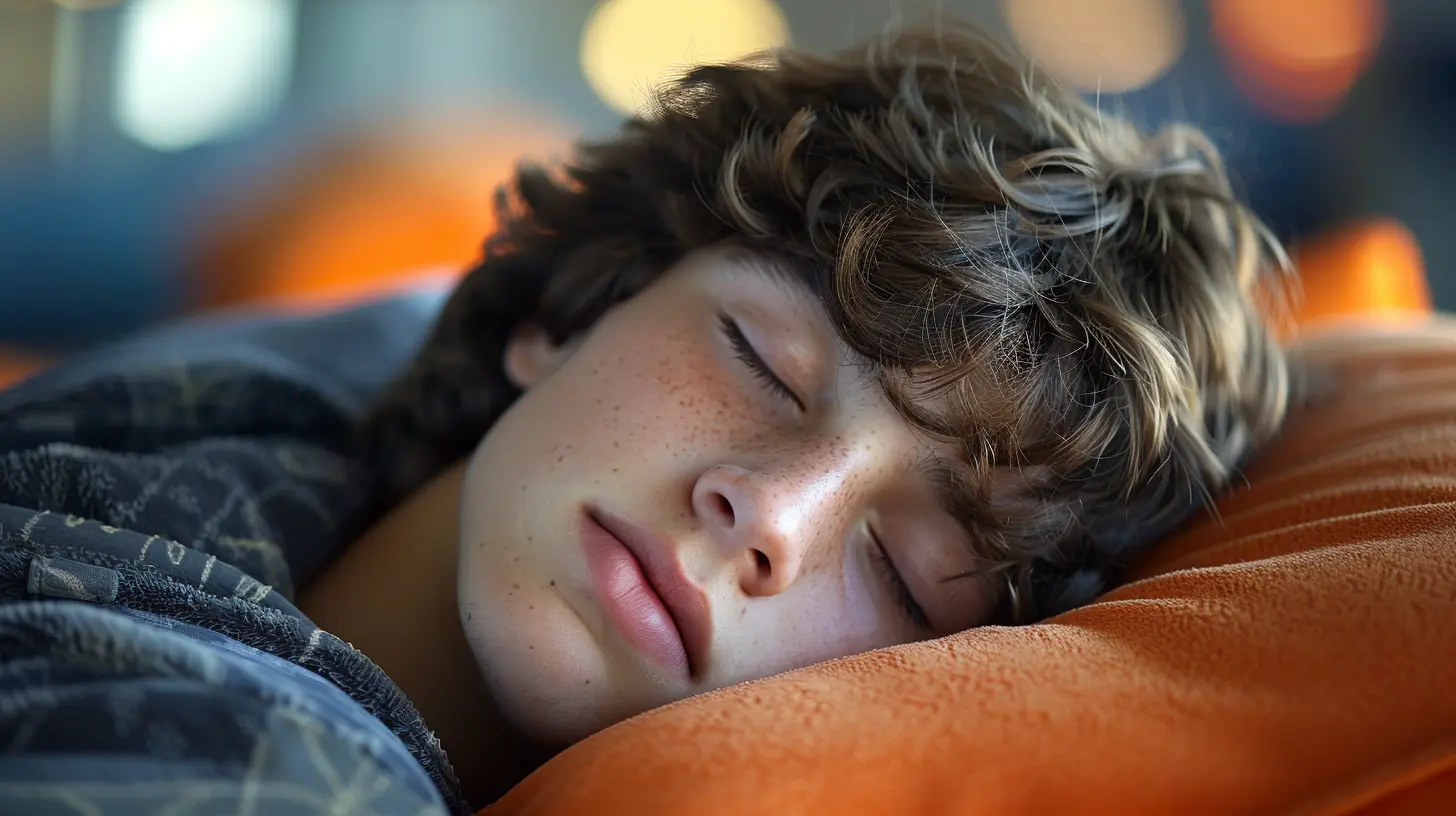
How Much Sleep Do Teens Actually Need?
Most teens need about 8 to 10 hours of sleep per night. But studies show that more than 70% of high school students aren’t getting even 8.Imagine trying to run a marathon with no training and no fuel. That’s what everyday life feels like for a sleep-deprived teen.
Creating a Sleep-Friendly Environment
Okay, so we know teens need more sleep. But how do we actually help them get it?1. Set Up a Wind-Down Routine
Help your teen create a bedtime routine that signals to their brain it’s time to chill. This could include:- Turning off screens at least 30 minutes before bed
- Taking a warm shower or bath
- Listening to calming music
- Reading a book (like, an actual book—not scrolling on their phone)
- Journaling or writing down tomorrow’s to-do list
Think of it like landing a plane. You can’t just slam on the brakes—you need a smooth descent.
2. Cut Back on Screen Time
We live in a digital world, yes—but that blue light from phones and tablets is the enemy of melatonin. Encourage your teen to plug their devices in outside the bedroom at night. Out of sight, out of mind.If you’re met with resistance (and you probably will be), consider this: Approach it as a mutual compromise. Maybe both of you commit to winding down tech-free at a certain hour.
3. Make Their Bedroom a Sleep Sanctuary
Think cool, dark, and quiet.- Use blackout curtains
- Add white noise machines or fans
- Keep the temperature between 60–67°F (it's the sweet spot!)
- Encourage cozy bedding and minimal clutter
Basically, make the room feel more like a spa and less like a gaming cave.
Creating Consistency (Even on Weekends)
This might be the hardest one.Teens often sleep in on weekends to “catch up” on rest. But guess what? That creates something called social jet lag—it’s like traveling across time zones and then trying to function normally on Monday morning.
Try to keep bedtimes and wake-up times within an hour of the usual schedule—even on weekends. It helps regulate their internal clock and makes Monday mornings way more manageable.
Nutrition and Sleep: More Connected Than You Think
It’s not just about what time they go to bed—what they eat and drink matters too.Cut Late-Night Caffeine
Energy drinks and late-night lattes are a no-go. Caffeine can stay in the system for up to 8 hours. Encourage them to switch to herbal tea or water later in the day.Watch the Sugar and Greasy Foods
High-sugar snacks and fast food can mess with digestion and disrupt sleep. Try keeping healthy snacks—like nuts, bananas, or yogurt—available instead.Morning Routines: Start the Day Right
Helping your teen wake up refreshed doesn’t mean blasting music or turning on the lights at full brightness (unless you want teenage wrath).Instead:
- Open the curtains for natural light (sunlight helps reset the circadian rhythm)
- Encourage a glass of water first thing
- Get moving—light stretching or a short walk helps shake off sleepiness
Try to make mornings something they don’t dread.
The Role of Schools and Start Times
Here’s a thought: maybe the system is broken, not your kid.Studies have shown that starting school later—even by just an hour—makes a massive difference in teen alertness and performance. Some school districts have already adopted later start times with positive results.
If your school hasn’t, consider advocating for change. Voices—especially parent ones—can make a real impact.
Helping Teens Take Ownership of Their Sleep
One of the best ways to encourage better sleep is to involve your teen in the process. Rather than forcing rules, try collaborating.Ask questions like:
- “How do you feel after a short night of sleep?”
- “What’s been messing with your sleep lately?”
- “What could you try to help yourself wind down?”
Let them experiment with different routines. When they see the positive effects—better mood, clearer thinking, more energy—they’re more likely to stick with it.
When to Seek Professional Help
Sometimes, despite best efforts, sleep issues persist. If your teen:- Snores loudly
- Has trouble falling or staying asleep long-term
- Seems excessively sleepy during the day
- Has frequent mood dips or signs of depression
…it might be time to talk to a pediatrician or sleep specialist. Sleep disorders like insomnia or sleep apnea are real and treatable, but they need proper diagnosis.
Final Thoughts: Be Patient, Be Supportive
Encouraging healthy sleep habits in teens isn’t going to be an overnight success (pun intended). There will be resistance, late nights, forgotten routines, and maybe some eye rolls.But your consistency, compassion, and support? Those matter more than any bedtime chart or app. This isn’t just about sleep—it’s about showing your teen that their well-being matters. That they matter.
So be gentle. Keep the conversation going. And yes, celebrate the small wins—like that one time they got 8.5 hours of sleep without being nagged.
You’ve got this.
all images in this post were generated using AI tools
Category:
Health EducationAuthor:

Zoe McKay
Discussion
rate this article
1 comments
Miles McCord
Healthy sleep is crucial for teens' growth and development. By creating a consistent routine and a calm environment, you can help them recharge and thrive. Remember, good sleep can lead to improved focus, mood, and overall well-being. Keep encouraging them!
July 10, 2026 at 3:30 AM
Zoe McKay
Thanks for your insights! A consistent routine really does make a difference in their overall well-being. Let's keep spreading the message about the importance of healthy sleep habits.