Digital Citizenship: Teaching Students to Navigate the Online World Safely
19 January 2026
The internet is like a giant city—buzzing, colorful, full of possibilities, and yes, a little risky too. Think about it: we spend hours online every day, whether we’re watching videos, messaging friends, or diving down Wikipedia rabbit holes. But here's something we don't always think about—are we being good digital citizens while we're out there in the vast online world?
If you're a teacher, parent, or student, this article is your go-to guide for understanding digital citizenship—and why it’s more important now than ever. So grab your virtual seatbelt; we're going on a journey into the world of online safety, respect, and responsibility.

What is Digital Citizenship, Anyway?
Let’s start simple. Digital citizenship is about how we behave online. It's all about using technology in ways that are safe, responsible, respectful, and smart.Picture this: You wouldn’t walk into a classroom yelling, pushing, or spreading rumors, right? Well, being a digital citizen means applying those same social rules when you’re online.
It’s not just about avoiding cyberbullying or ignoring shady websites. It’s also about protecting your privacy, being respectful to others, knowing how to spot fake news, and even understanding your digital footprint (more on that in a bit).

Why Teaching Digital Citizenship Matters (A Lot)
Let’s face it—kids are hopping online earlier and earlier. From elementary school to high school, students are living part of their lives in the digital world. And just like we teach them to look both ways before crossing the street, we need to teach them how to “look both ways” online.Here’s why it's so important:
- The Internet Doesn’t Forget
What you post today could come back years later. That impulsive comment, that joke taken the wrong way—yeah, the internet holds onto that stuff.
- Misinformation is Everywhere
With deepfakes, clickbait headlines, and viral hoaxes, students need critical thinking skills to separate facts from fiction.
- Cyberbullying is Real
It hurts—and it happens way more often when kids don’t understand the impact of their digital actions.
- Online Safety Isn’t Common Sense
No, it’s not obvious that clicking that pop-up could give your device a virus. Or that giving away your birthday online might invite identity theft.
That’s why digital citizenship can’t be an optional lesson anymore. It’s essential—like learning to tie your shoes or write your name.
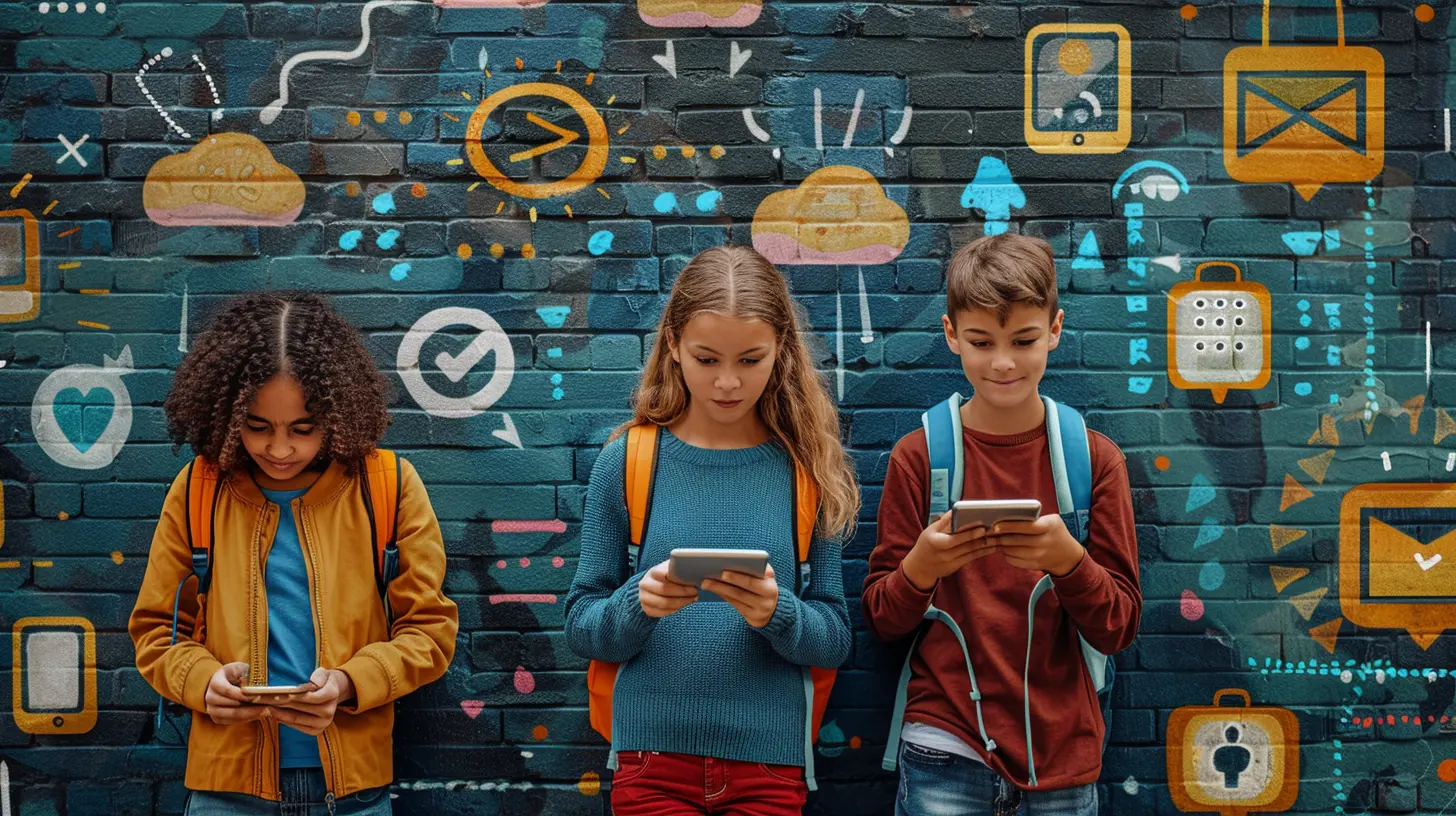
The 9 Elements of Digital Citizenship
To break it down further, digital citizenship is often structured around these nine key elements. These help frame the conversation in classrooms and at home:1. Digital Access – Everyone deserves access to tech and the internet.
2. Digital Literacy – Knowing how to find, evaluate, and use information online.
3. Digital Communication – Understanding how to communicate respectfully and clearly online.
4. Digital Etiquette – Basically, online manners.
5. Digital Law – Knowing the rules and legalities of online behavior.
6. Digital Rights & Responsibilities – Realizing you have rights online—and responsibilities too.
7. Digital Health & Wellness – Managing screen time, body posture, and online stress.
8. Digital Security – Protecting private information and avoiding scams.
9. Digital Commerce – Being educated about buying and selling things online.
When kids (and adults, honestly) start thinking about these categories, they become more conscious digital citizens.

Making Digital Citizenship Part of the School Day
Okay, we get it. It’s important. But how do we actually teach this stuff?The answer: weave it into what students are already doing. It doesn’t have to be a boring extra unit or another worksheet. It can be part of every subject and every tech-related activity.
1. Start Early and Keep It Age-Appropriate
You wouldn’t give a toddler a chainsaw, right? Same goes for the internet. Kindergarteners can start learning about personal information (like why you shouldn’t tell strangers your full name), while middle schoolers can tackle topics like social media choices and cyberbullying.2. Use Real-Life Scenarios
Kids tune out lectures. But they lean in when the lesson feels real.Try presenting a “what would you do if…” situation that’s based on what they might actually see online. It could be:
- A friend gets mean in a group chat.
- Someone posts a screenshot of your private conversation.
- You see a post that looks suspicious or fake.
These scenarios make the lessons stick because they feel real—and they get students thinking critically.
3. Connect it to SEL (Social Emotional Learning)
Digital citizenship isn’t just about facts—it’s about feelings too.Understanding how online behavior affects others ties directly into empathy, conflict resolution, and emotional regulation. So, make the connection between digital actions and emotional consequences. Teach kids to pause and ask: “How would I feel if someone did this to me?”
4. Practice What You Preach
Students are watching. If you’re teaching them to be kind online, but your own social media posts are full of sarcasm or venting…yeah, they’ll notice.Model the kind of digital behavior you want to see. That includes crediting sources, using respectful language, and keeping personal stuff private.
5. Use Tech Tools That Promote Learning and Safety
There are tons of classroom apps and platforms that build in safety and moderation. Tools like Google Classroom, Edmodo, and Seesaw create controlled environments for communication and collaboration—great places for practicing digital citizenship in action.Common Digital Citizenship Lessons Students Should Learn
Let’s break down a few specific lessons students of all ages should walk away with:✔ Think Before You Post
Yes, it’s a cliché. But it’s also golden advice. A rushed comment made in anger can spiral into major drama—or worse. Teach students to pause, reflect, and maybe even sleep on it before hitting “send.”✔ Keep Personal Info… Well, Personal
Address, passwords, school name, even your pet’s name (hello, password clues!)—these are things students should not be tossing around online like confetti.✔ Respect Others' Digital Space
Would you barge into someone’s lunch table and start shouting? Then don’t spam group chats, hijack threads, or post without permission. Respect online spaces the same way you’d respect physical ones.✔ Recognize and Avoid Cyberbullying
Teach students how to identify bullying, what to do if they’re a target, and how to stand up for others (without escalating the situation). Encourage them to speak up and report incidents.✔ Understand the Power of Digital Footprints
Everything posted online adds up. This footprint might follow you into college applications, job opportunities, or future relationships. It’s like a tattoo—hard to erase.✔ Learn to Spot Misinformation
Media literacy is key. Teach students to check the source, cross-reference information, and look for bias. Even better—teach them to ask questions instead of just clicking and sharing.
Parents and Teachers: Allies in the Digital World
This isn’t a school-only job. Parents need to be part of the conversation, too.Open communication is the bridge here. Teachers can send home digital citizenship tips, host info sessions, or recommend tools like Common Sense Education to help parents get a grip on what their kids are experiencing online.
And parents? Don’t just spy on your child’s social media. Sit down. Ask questions. Talk about the challenges. Be curious instead of judgmental. Because when students feel supported, they make smarter choices.
Final Thoughts: Building a Better Digital Future
Here’s the thing—teaching digital citizenship isn’t just about keeping kids safe. It’s about empowering them. It’s about giving them the tools to thrive in a connected world, to express themselves responsibly, to stand up against injustice, and to use technology to make something amazing.Imagine a world where future generations don’t just scroll—but think. Don’t just post—but care. That’s the power of digital citizenship.
And it starts with us—educators, parents, and students—having honest conversations and building habits that last a lifetime.
So, are we ready to raise kids who aren't just tech-savvy, but ethically and emotionally intelligent online citizens?
Let’s make digital citizenship more than just a lesson. Let’s make it a lifestyle.
all images in this post were generated using AI tools
Category:
Educational TechnologyAuthor:

Zoe McKay
Discussion
rate this article
2 comments
Priscilla Forbes
Great insights on digital citizenship! Emphasizing critical thinking and responsible online behavior is essential in today’s digital age. Consider integrating practical activities, like role-playing scenarios, to help students apply these concepts in real-life situations. This could enhance their understanding and engagement significantly!
February 23, 2026 at 6:00 AM
Zoe McKay
Thank you for your feedback! Integrating practical activities like role-playing is a fantastic idea to enhance student engagement and understanding of digital citizenship. I'll definitely consider it!
Beatrice McDougal
Great article! In today’s digital age, teaching kids to navigate online safely is essential. Empowering them with the right skills not only protects them but helps them thrive in the digital world.
January 20, 2026 at 4:02 AM
Zoe McKay
Thank you! I completely agree—equipping kids with digital citizenship skills is vital for their safety and success online.