Best Practices for Managing Virtual Classrooms in K-12 Education
27 January 2026
The world of education has taken a huge leap into the digital realm, and virtual classrooms are now the norm rather than the exception. But let’s be honest—managing a virtual classroom in K-12 education can sometimes feel like herding digital cats! Between muting microphones, keeping students engaged, and ensuring everyone actually learns something, it’s a whole new ballgame.
So, how can teachers navigate this online jungle? Fear not! We’ve got you covered with the best practices that will turn your virtual classroom into a dynamic and engaging learning space.

1. Set Clear Expectations from Day One
Imagine walking into a classroom where no one knows the rules—chaos, right? The same goes for virtual learning. Setting clear expectations from day one helps establish structure and minimizes confusion.How to Do It:
- Define rules – Create a simple list of dos and don’ts. Keep it short and sweet.- Establish communication guidelines – Decide how students should ask questions (raise a virtual hand, chat, or unmute?).
- Set participation expectations – Let students know how often they need to engage in discussions, quizzes, or group work.
When students know what’s expected, they’re more likely to stay on track—and teachers don’t have to play the role of virtual referees.
2. Create a Welcoming and Inclusive Environment
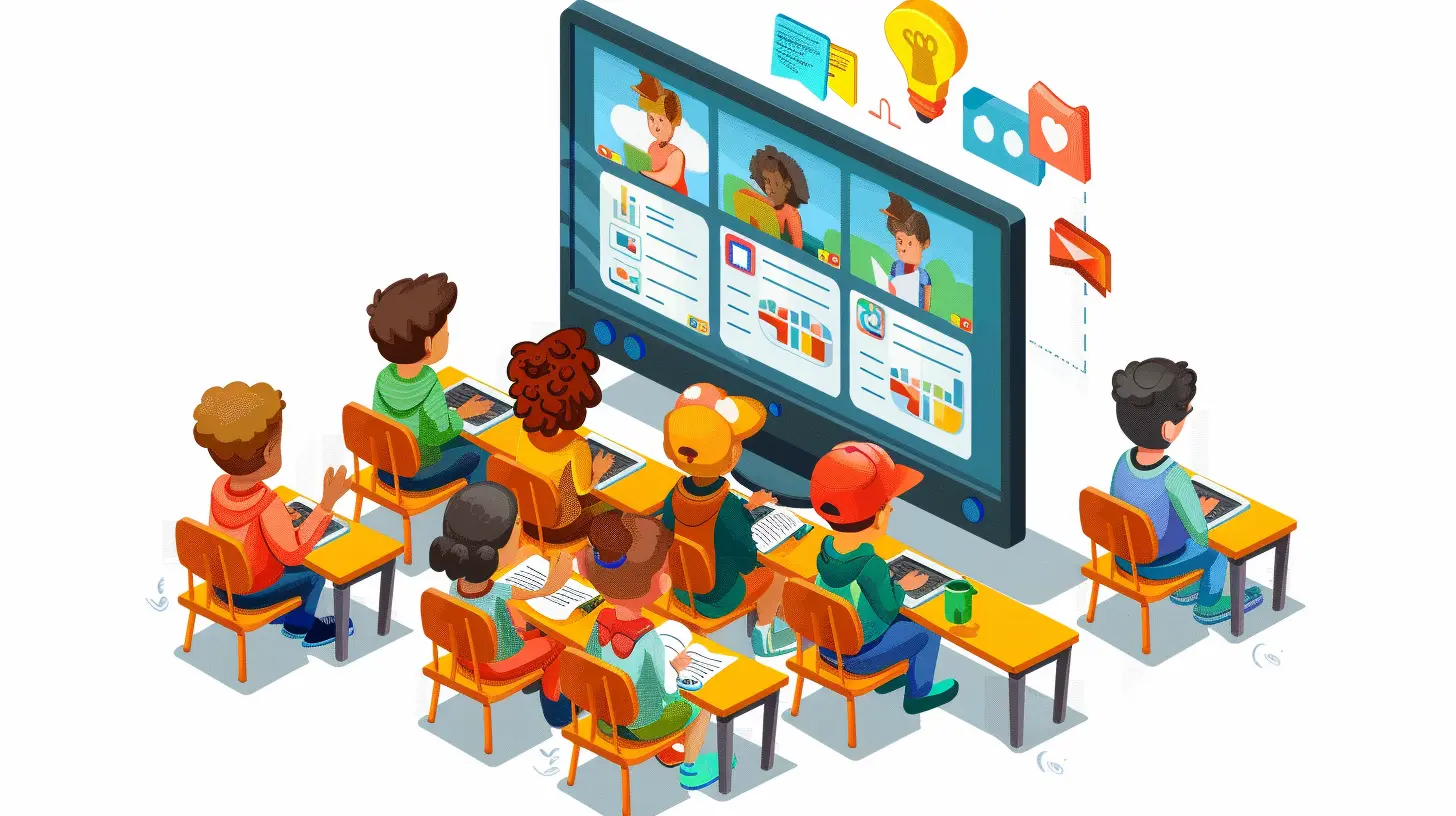
A virtual classroom should feel just as warm and inviting as an in-person one. But how do you create that sense of belonging when students are miles apart?Ways to Foster a Positive Atmosphere:
- Start with icebreakers – A fun question or a quick game at the beginning of class can help lighten the mood.- Encourage student interaction – Assign breakout rooms for small group discussions to build connections.
- Celebrate achievements – Acknowledge small wins like participation, creativity, or improvement.
A little positivity goes a long way in making students feel valued and motivated.

3. Keep Sessions Interactive and Engaging
Let’s be real—staring at a screen for hours is no one’s idea of fun. Keeping students engaged in a virtual setting requires creativity and interactivity.Engagement Tips:
- Use multimedia – Incorporate videos, animations, and infographics to break the monotony.- Gamify learning – Platforms like Kahoot! and Quizizz make review sessions feel like a game show.
- Encourage discussions – Ask open-ended questions and let students share their perspectives.
When students are actively involved, they’re less likely to zone out (or sneak off to play video games in another tab).
4. Master the Art of Classroom Management
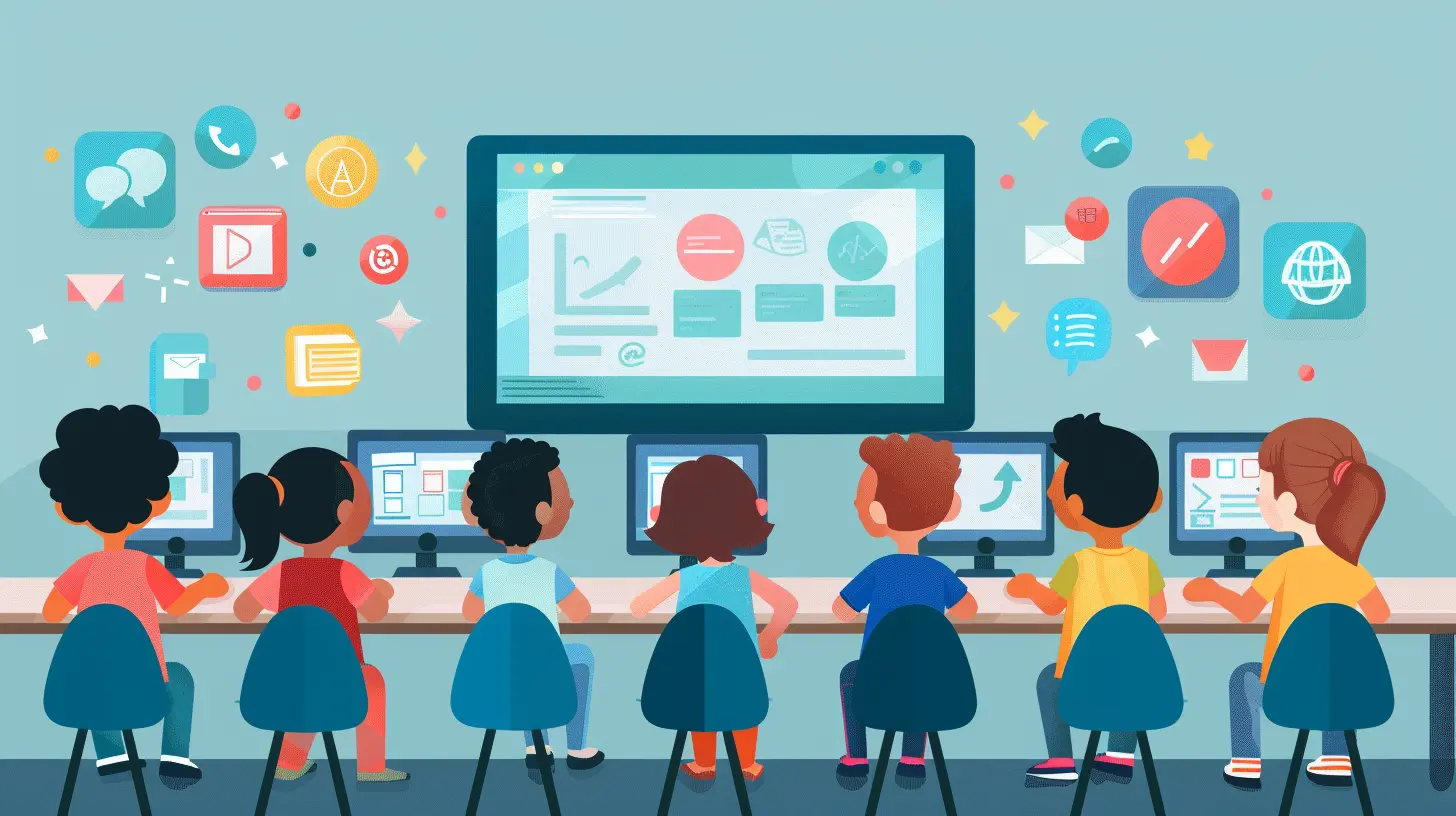
Managing a virtual classroom means juggling tech glitches, background distractions, and students who can mysteriously disappear (hello, turned-off cameras!).Classroom Management Hacks:
- Mute strategically – Establish a rule where students mute themselves when not speaking to reduce background noise.- Use breakout rooms wisely – Assign tasks and pop in occasionally to keep discussions on track.
- Create a routine – A predictable structure reduces chaos and helps students stay focused.
The goal is to keep the class running smoothly—without feeling like a tech support specialist on overdrive.
5. Leverage the Right Technology
Technology is the backbone of virtual learning, and using the right tools can make a world of difference.Must-Have Tools:
- Learning Management Systems (LMS): Google Classroom, Schoology, or Seesaw for organizing materials.- Video Conferencing: Zoom, Microsoft Teams, or Google Meet for live sessions.
- Engagement Tools: Nearpod, Padlet, or Flipgrid for interactive activities.
Pro tip: Always have a backup plan in case of tech failures—you never know when the Wi-Fi gremlins will strike!
6. Foster Strong Communication
Good communication is key to making virtual learning successful. Whether it’s with students, parents, or fellow educators, keeping the lines open ensures a smooth experience.Communication Strategies:
- Use multiple channels – Email, messaging apps, or class announcements can keep everyone in the loop.- Give timely feedback – Students need to know how they’re doing to stay motivated.
- Encourage student check-ins – A simple “How’s everyone feeling today?” can help you gauge their well-being.
When communication is strong, misunderstandings decrease, and learning thrives.
7. Be Flexible and Adaptable
Let’s face it—things don’t always go as planned. The best virtual educators are those who can roll with the punches and adapt when needed.How to Stay Adaptable:
- Have backup activities – If tech fails, have an offline assignment ready.- Adjust pacing – If students are struggling, slow down and revisit concepts.
- Be open to feedback – Ask students what’s working and what’s not, and tweak accordingly.
Flexibility makes the difference between a frustrating experience and one that's enjoyable for everyone.
8. Encourage Student Independence
One of the biggest perks of virtual learning? It encourages students to develop self-discipline and responsibility!Ways to Foster Independence:
- Teach time management skills – Show students how to plan their study time effectively.- Set clear deadlines – Avoid last-minute panic by giving students structured timelines.
- Provide self-paced resources – Allow students to explore additional content at their own speed.
Helping students take ownership of their learning now will benefit them for years to come.
9. Prioritize Mental Health and Well-Being
Virtual learning can be isolating, and students (and teachers!) need mental health support just as much as academic guidance.Well-Being Tips:
- Encourage breaks – A five-minute stretch break can do wonders for focus.- Check in with students regularly – Notice changes in participation or behavior? Reach out.
- Promote a growth mindset – Remind students that challenges are part of learning, not failures.
A mentally healthy student is a more engaged and successful learner.
10. Keep Parents in the Loop
Parents play a crucial role in supporting their child’s virtual learning journey. Keeping them informed strengthens the home-school connection.How to Involve Parents:
- Send regular updates – Weekly newsletters or emails summarizing progress and upcoming tasks help.- Offer tech support – A quick guide on how to use the virtual learning tools can be a lifesaver.
- Encourage parent involvement – Suggest ways they can help reinforce learning at home.
When parents and teachers work together, student success skyrockets!
Final Thoughts
Managing a virtual classroom in K-12 education is no easy feat, but with the right strategies, it can be both effective and enjoyable. By setting expectations, keeping students engaged, leveraging technology, and prioritizing communication, you can create a thriving online learning environment.Sure, there might be the occasional tech hiccup or moment of online chaos, but take a deep breath—you're doing an amazing job! So, keep inspiring, keep innovating, and most importantly, keep believing in the power of education—virtual or otherwise.
all images in this post were generated using AI tools
Category:
Virtual ClassroomsAuthor:

Zoe McKay
Discussion
rate this article
2 comments
Spencer McQuillan
In the evolving landscape of K-12 education, the virtual classroom holds secrets untold. What if the key to engagement lies not in technology, but in the subtle art of connection? Explore these best practices, where the digital realm can transcend screens and ignite genuine learning experiences.
March 5, 2026 at 12:24 PM
Zoe McKay
Thank you for your insightful comment! I completely agree that genuine connections are crucial for enhancing engagement in virtual classrooms. Balancing technology with meaningful interactions is key to creating impactful learning experiences.
Esther Monroe
Effective virtual classroom management enhances student engagement, fosters collaboration, and promotes a positive learning environment in K-12 education.
January 29, 2026 at 5:32 AM
Zoe McKay
Thank you for your insightful comment! I completely agree—effective management is key to maximizing engagement and collaboration in virtual classrooms.