Addressing Bullying Through Health and Wellness Education
24 July 2026
Bullying—it's a word that sends chills down the spine. Whether it's name-calling, online harassment, or physical intimidation, bullying has become a major issue in schools and communities worldwide. While many schools have anti-bullying policies, they often focus on punishment rather than prevention.
But what if we tackled bullying from a different angle—one that focuses on overall well-being? Health and wellness education can play a crucial role in addressing bullying at its root by promoting empathy, emotional intelligence, and self-esteem. Let’s dive into how a holistic approach to wellness can create safer, kinder environments for students. 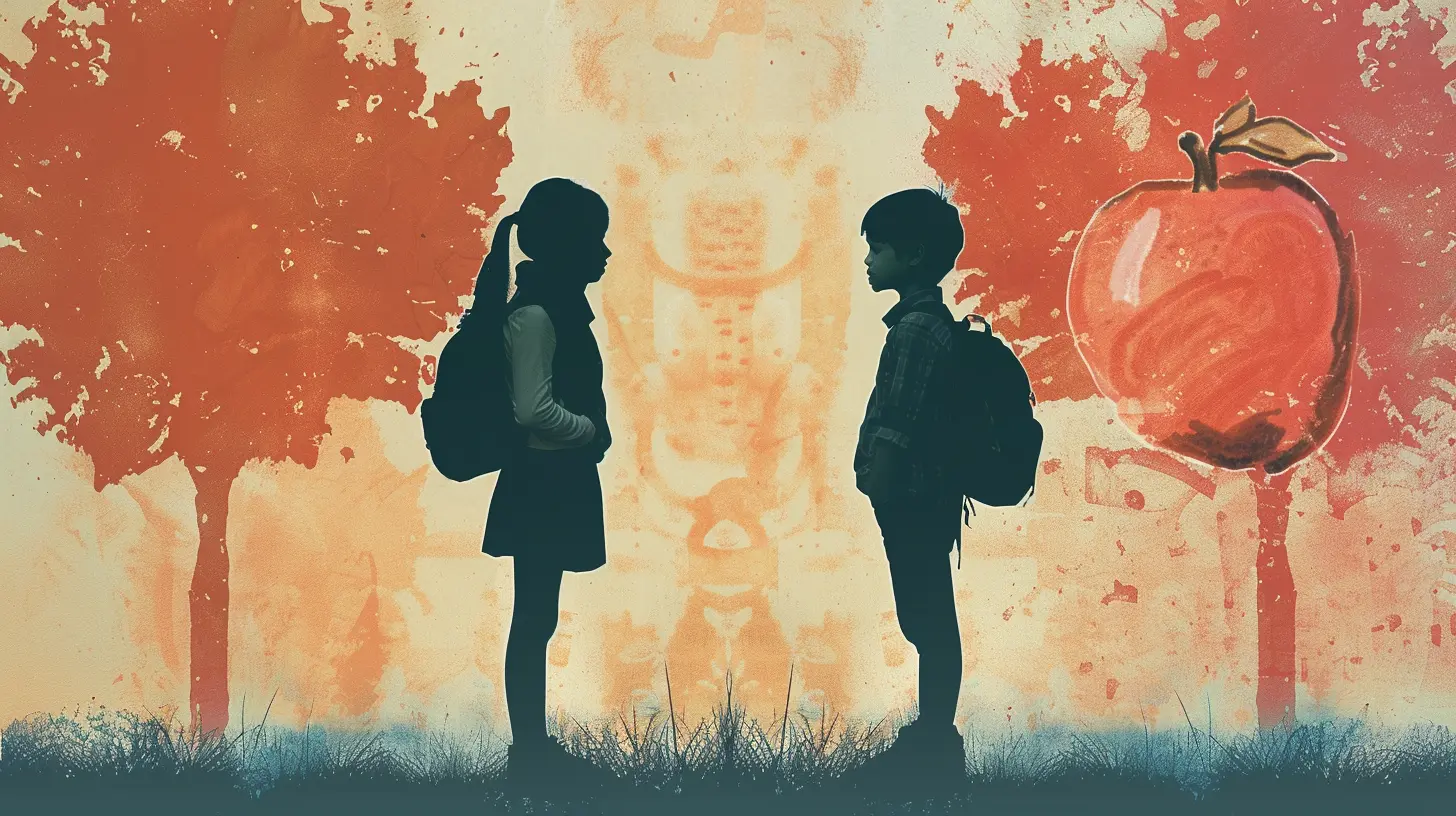
Understanding Bullying and Its Impact
Before we talk about solutions, let's break down what bullying really is. It's more than just "kids being kids." Bullying involves repeated aggressive behavior intended to harm, intimidate, or control someone. It can happen in person or online, through words, actions, or social exclusion.The consequences? They're no joke. Victims of bullying often struggle with anxiety, depression, and low self-esteem. Some even develop physical symptoms like headaches or stomachaches due to constant stress. In extreme cases, bullying can lead to suicidal thoughts.
It’s not just the victims who suffer. Bullies themselves often deal with unresolved emotional issues, displaying aggressive behavior as a way to cope. And let's not forget bystanders—the kids who witness bullying but feel powerless to stop it. The ripple effect of bullying impacts entire communities. 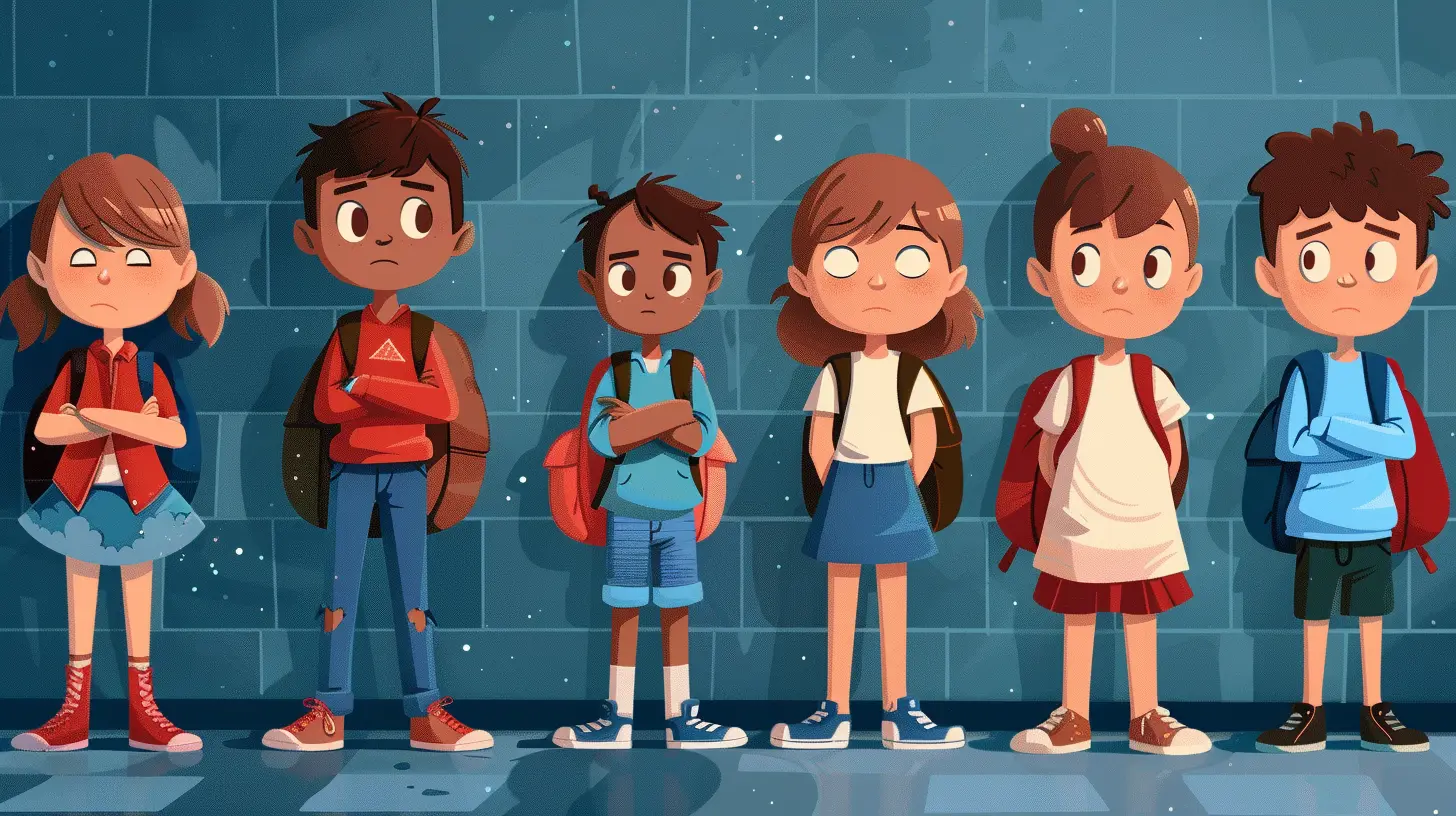
Why Health and Wellness Education Matters
Health and wellness education goes beyond just teaching kids to eat their vegetables and exercise. It’s about the mind, body, and emotions working together in harmony. When schools implement lessons on mental health, emotional intelligence, and self-care, students gain tools to understand and regulate their emotions.By focusing on holistic wellness, we can address bullying at its core. Instead of just telling kids, “Don’t be mean,” we can teach them resilience, kindness, and coping skills. 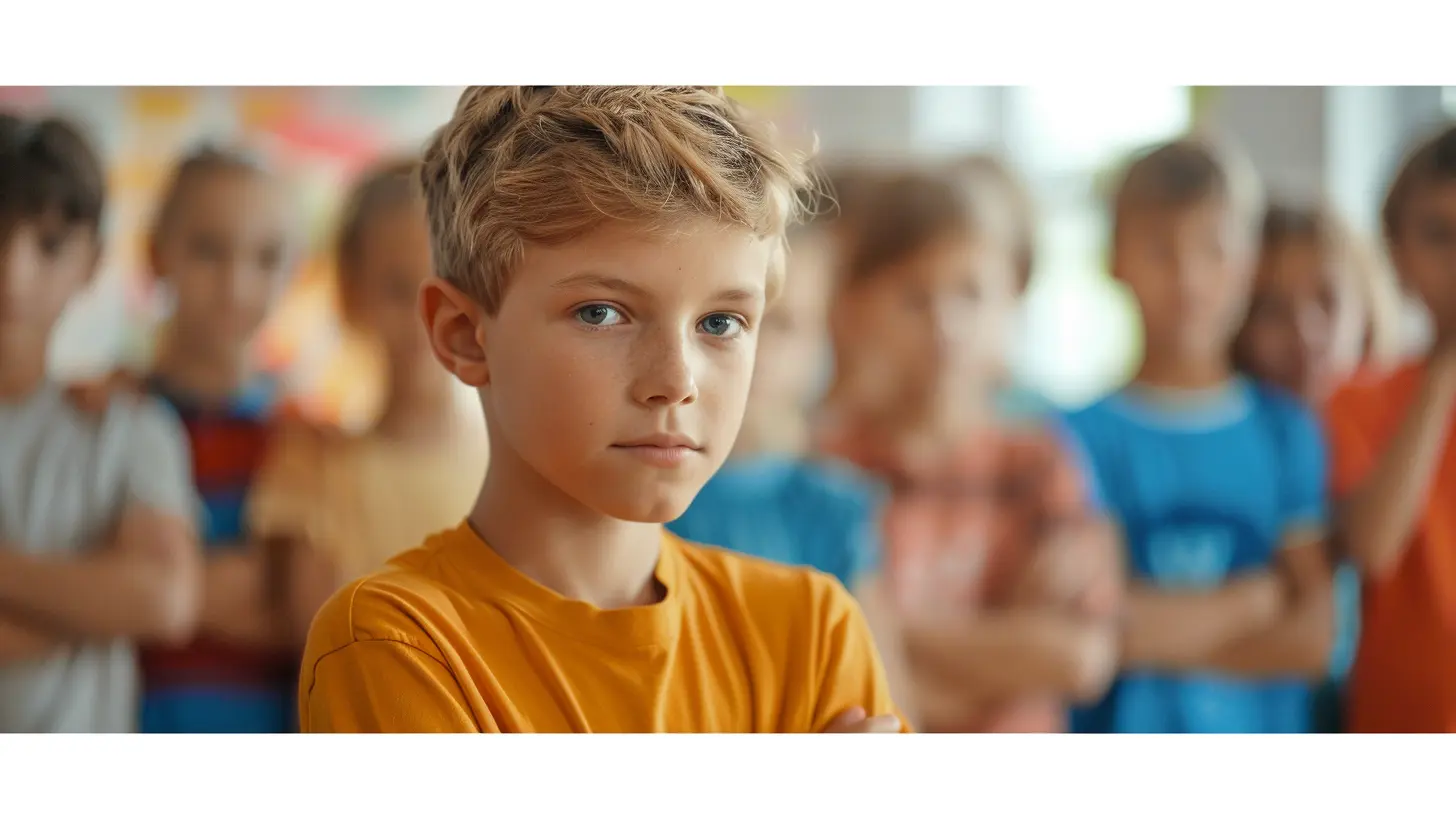
Teaching Emotional Intelligence and Empathy
One of the biggest reasons bullying happens? A lack of empathy. Many bullies struggle to understand how their actions affect others. They may come from environments where aggression is normalized or have low emotional intelligence themselves.So, how do we fix that? We start by teaching kids to recognize and name their emotions. When students learn to express frustration, anger, or sadness in healthy ways, they’re less likely to lash out at others.
Ways to Teach Emotional Intelligence:
- Mindfulness exercises: Teaching students to pause and reflect before reacting.- Journaling: Encouraging self-expression to help process emotions.
- Role-playing activities: Practicing empathy by stepping into someone else’s shoes.
- Open discussions: Creating a safe space for students to talk about their feelings.
When kids understand their own emotions, they become more aware of how their actions impact others. And that’s a game-changer for preventing bullying. 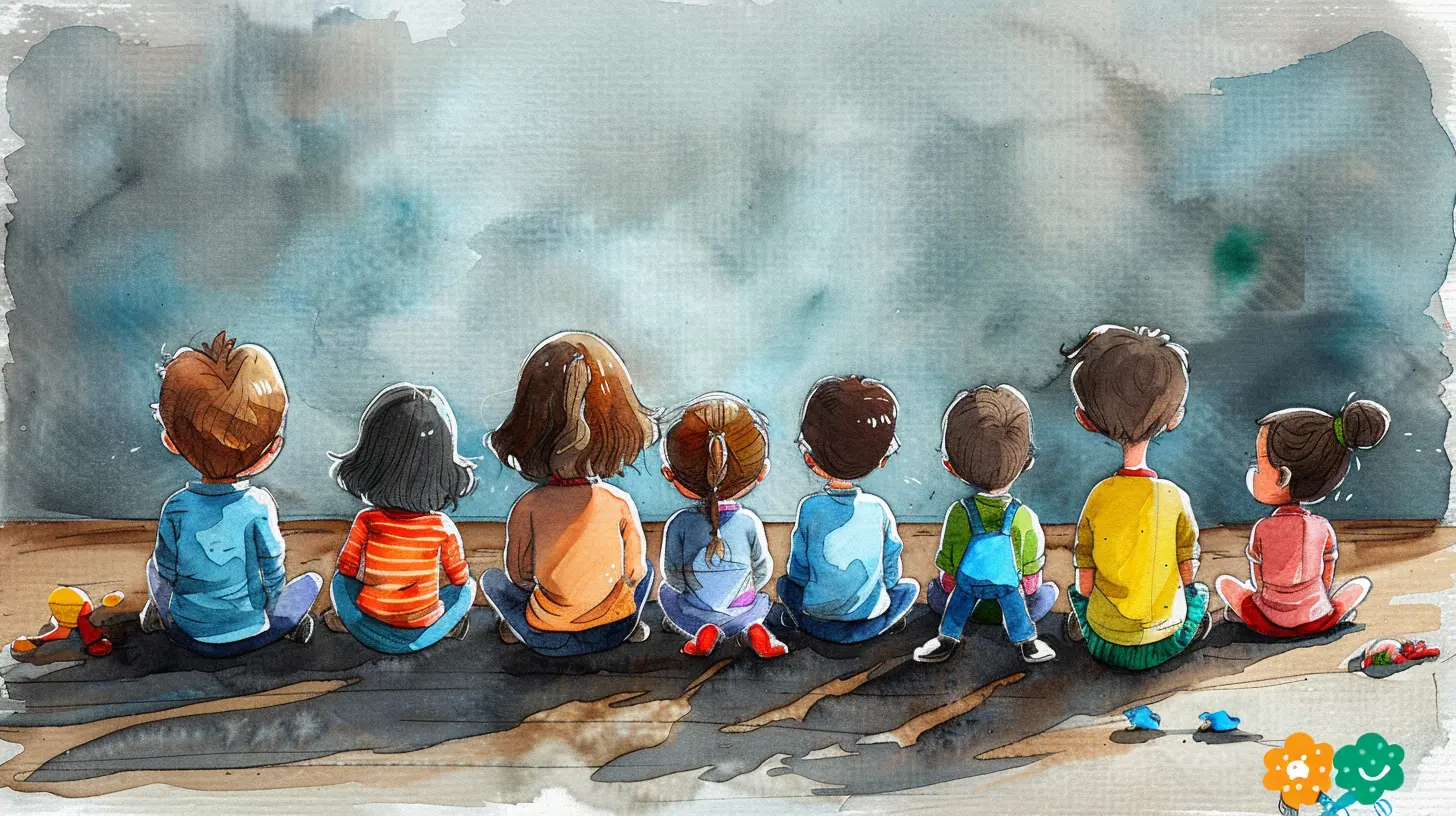
Boosting Self-Esteem Through Wellness Practices
Low self-esteem plays a huge role in both bullying and being bullied. Kids with low confidence may feel the need to put others down to lift themselves up, while victims often lack the confidence to stand up for themselves.That’s where wellness education steps in. By promoting positive self-care habits, students develop a stronger sense of self-worth.
How to Build Confidence in Students:
- Encouraging physical activity: Exercise releases endorphins, improving mood and self-esteem.- Teaching relaxation techniques: Deep breathing and meditation can help kids manage stress.
- Promoting positive self-talk: Helping students recognize and challenge negative thoughts.
- Providing supportive environments: Schools should celebrate individuality and achievements.
A confident child is less likely to bully or become a target of bullying. They’re more likely to stand up for themselves and others, creating a more respectful school culture.
The Role of Healthy Relationships in Bullying Prevention
Let’s face it—peer pressure is a powerful thing. Kids often bully to fit in, gain social status, or avoid becoming targets themselves. But when students build strong, healthy relationships, they’re less likely to engage in bullying.Encouraging Positive Social Interactions:
- Teaching conflict resolution: Helping kids resolve disagreements without aggression.- Emphasizing teamwork: Group activities that promote cooperation and friendship.
- Addressing peer pressure: Teaching kids to make independent, ethical choices.
- Encouraging mentorship: Older students guiding and supporting younger ones.
When kids feel connected and supported, they’re less likely to resort to aggressive behavior. Healthy friendships create an environment where kindness, rather than cruelty, becomes the norm.
Digital Wellness: Tackling Cyberbullying
Bullying no longer stops at the school gates—it follows kids home through their screens. Cyberbullying can be even more harmful than in-person bullying because it’s relentless and often anonymous.Teaching digital wellness is just as important as teaching physical and emotional well-being. Students need to understand how to use technology responsibly and protect themselves online.
Strategies for Digital Wellness:
- Set social media boundaries: Encourage breaks from screens and mindful online habits.- Teach online etiquette: Reinforce the importance of kindness, even behind a screen.
- Recognize cyberbullying signs: Help students identify and report harmful behavior.
- Encourage digital detoxes: Promote time away from technology for mental well-being.
By fostering responsible digital habits, schools can help students navigate the online world safely and reduce cyberbullying incidents.
How Schools Can Implement Health and Wellness Education
So, how do we actually make this happen? Schools need to integrate wellness education into their curriculum in meaningful ways.Steps Schools Can Take:
1. Include mental health topics in health classes.2. Provide access to counselors and wellness resources.
3. Offer peer support programs and mentorship opportunities.
4. Encourage teachers to model and reinforce positive behavior.
5. Create anti-bullying campaigns that focus on awareness and prevention.
When wellness education becomes a priority, bullying decreases, and the overall school climate improves.
Final Thoughts
Bullying isn't just a disciplinary issue—it’s a symptom of deeper emotional and social struggles. By using health and wellness education as a tool for prevention, we can address the root causes of bullying rather than just the effects.A classroom where kids feel emotionally supported, confident, and connected is a classroom where bullying struggles to survive. Through mindfulness, empathy, self-care, and healthy relationships, we can create an environment where kindness flourishes and bullying fades away.
It's time to stop treating bullying like an unavoidable part of growing up. Instead, let’s equip our students with the skills they need to be emotionally strong, empathetic, and resilient—because when we nurture wellness, we build a future free from bullying.
all images in this post were generated using AI tools
Category:
Health EducationAuthor:

Zoe McKay
Discussion
rate this article
1 comments
Bear Banks
This article highlights a crucial approach to combating bullying. Health and wellness education is essential.
August 7, 2026 at 2:20 AM
Zoe McKay
Thank you for your insight! I completely agree that health and wellness education plays a vital role in addressing bullying effectively.