World War I: The War to End All Wars
17 March 2026
Have you ever wondered how one event could drag an entire planet into chaos? That’s exactly what happened over a hundred years ago when World War I erupted. Nicknamed “The War to End All Wars,” this global conflict not only reshaped countries and borders but also changed the way wars are fought forever. It's a story filled with alliances gone wrong, trench warfare horrors, and the dawn of modern combat. Buckle up as we unpack the causes, carnage, and consequences of one of the most defining wars in human history.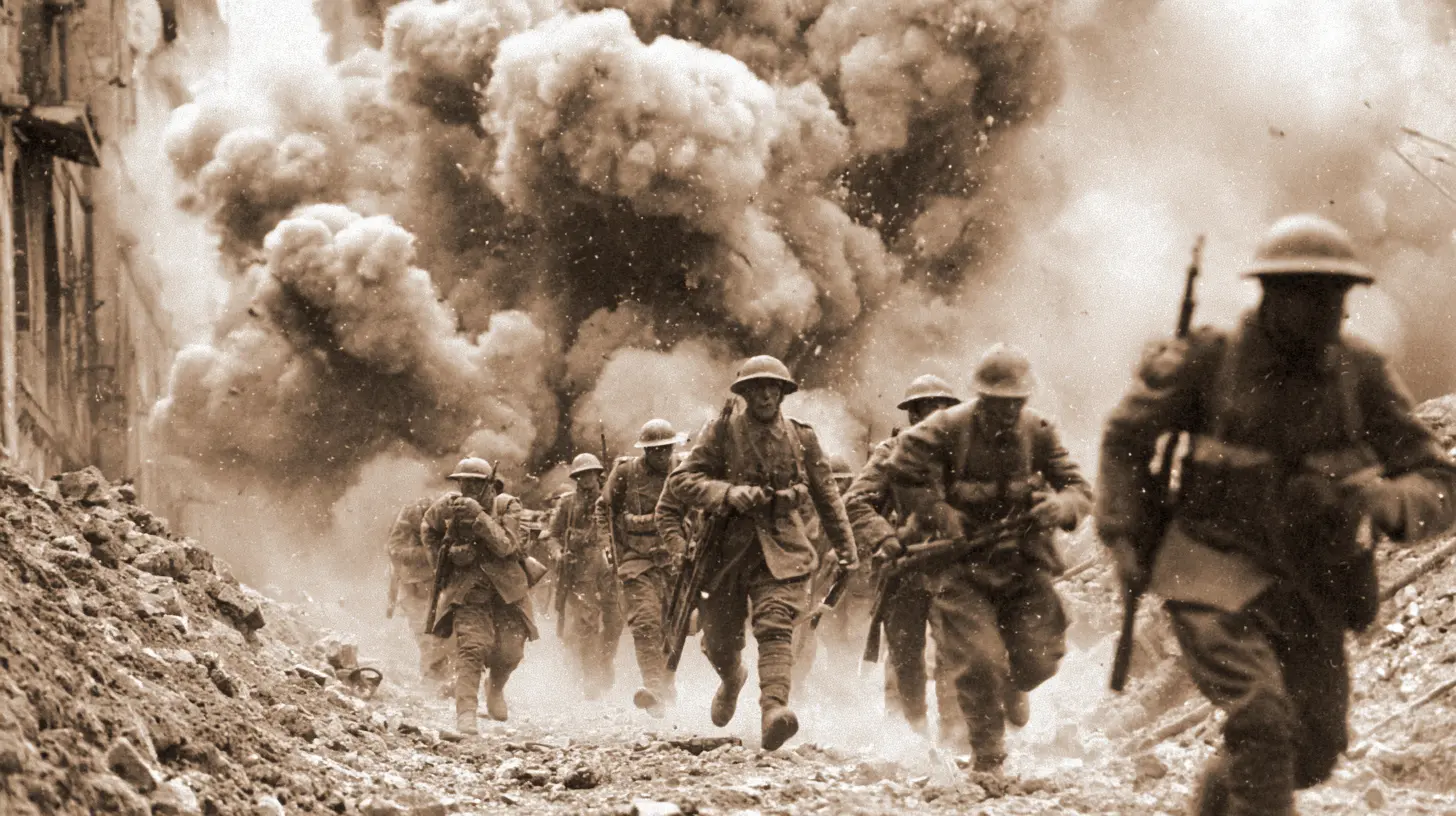
What Sparked World War I?
Let’s set the stage. It’s the early 1900s. Europe is a tense chessboard of powerful nations, each trying to outsmart the other. Think of a room full of people holding matches right next to a bunch of gasoline cans—chaos was just waiting to happen.The Assassination That Lit the Fuse
On June 28, 1914, Archduke Franz Ferdinand of Austria-Hungary was assassinated in Sarajevo. Sounds like just another royal drama, right? But this was the match that lit the fire. A Serbian nationalist pulled the trigger, and Austria-Hungary blamed Serbia. What followed was a tangled web of alliances snapping into action.Austria-Hungary declared war on Serbia. Russia backed Serbia. Germany backed Austria-Hungary. France and Britain sided with Russia. Before you knew it, the world was at war.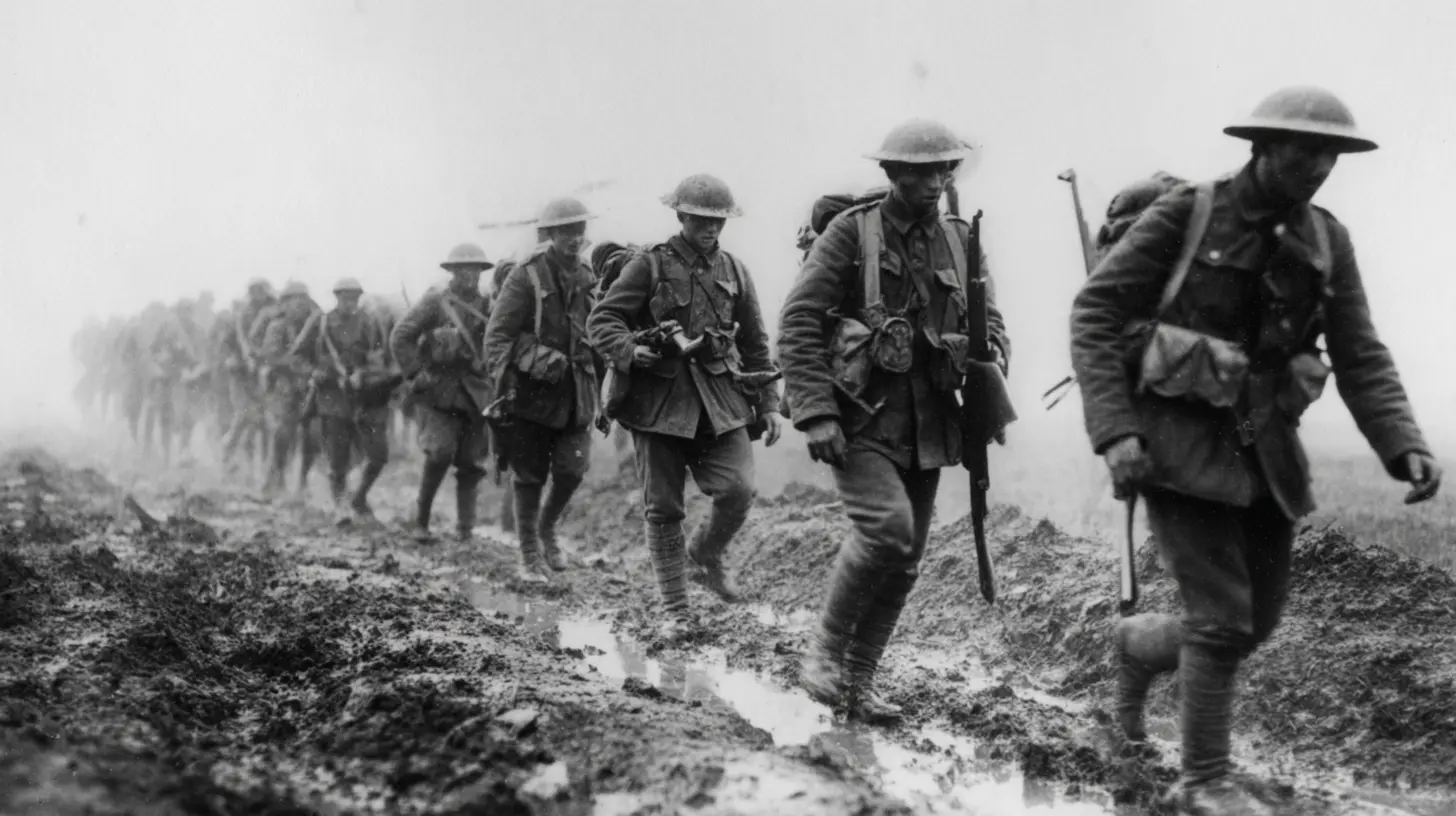
The Major Players: Who Fought Whom?
The war was mainly divided between two heavy-hitting teams:The Allied Powers
- France- Russia
- United Kingdom
- Italy (joined later)
- United States (entered in 1917)
The Central Powers
- Germany- Austria-Hungary
- Ottoman Empire
- Bulgaria
At first glance, it looks like a schoolyard fight that got out of hand. But these alliances were deep-rooted in military pacts, economic interests, and straight-up ego battles.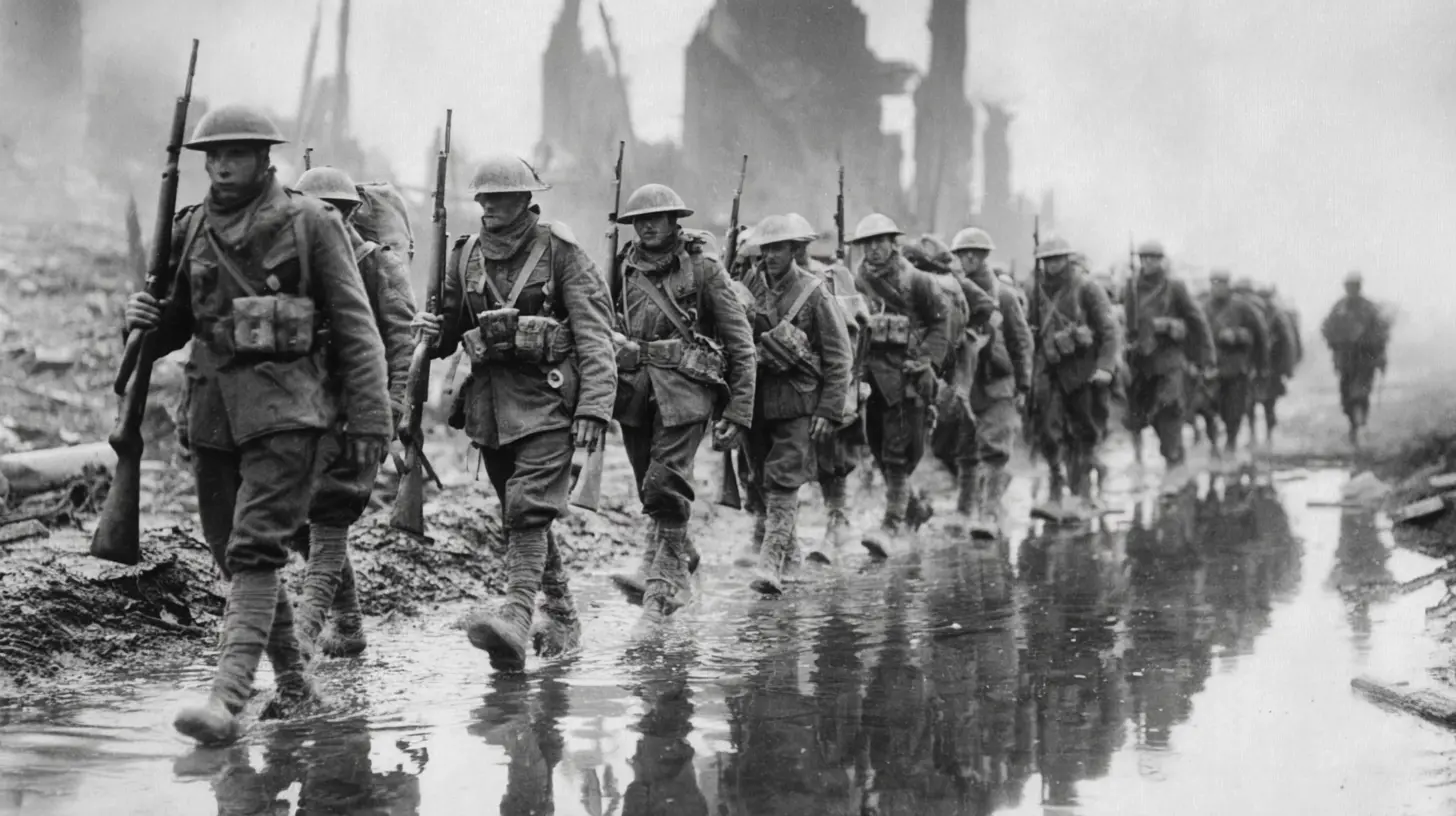
Life in the Trenches: Hell on Earth
When people say “trench warfare,” they’re not exaggerating. Soldiers spent days—sometimes months—stuck in zig-zagging trenches filled with mud, rats, and disease. It wasn’t just uncomfortable. It was psychologically scarring.Imagine waking up to artillery shelling, dodging bullets all day, and trying to sleep surrounded by barbed wire and the smell of death. That was daily life for millions.
Weapons That Changed Warfare
World War I was the first truly industrial war. We’re talking tanks, machine guns, poison gas, flamethrowers, and submarines. It was also the first time planes were used in a combat role.Traditional tactics couldn’t keep up. Cavalry charges became suicide missions. Defense ruled, offense struggled, and stalemates were common. That’s why battles like the Somme and Verdun dragged on for months with barely any territorial gain.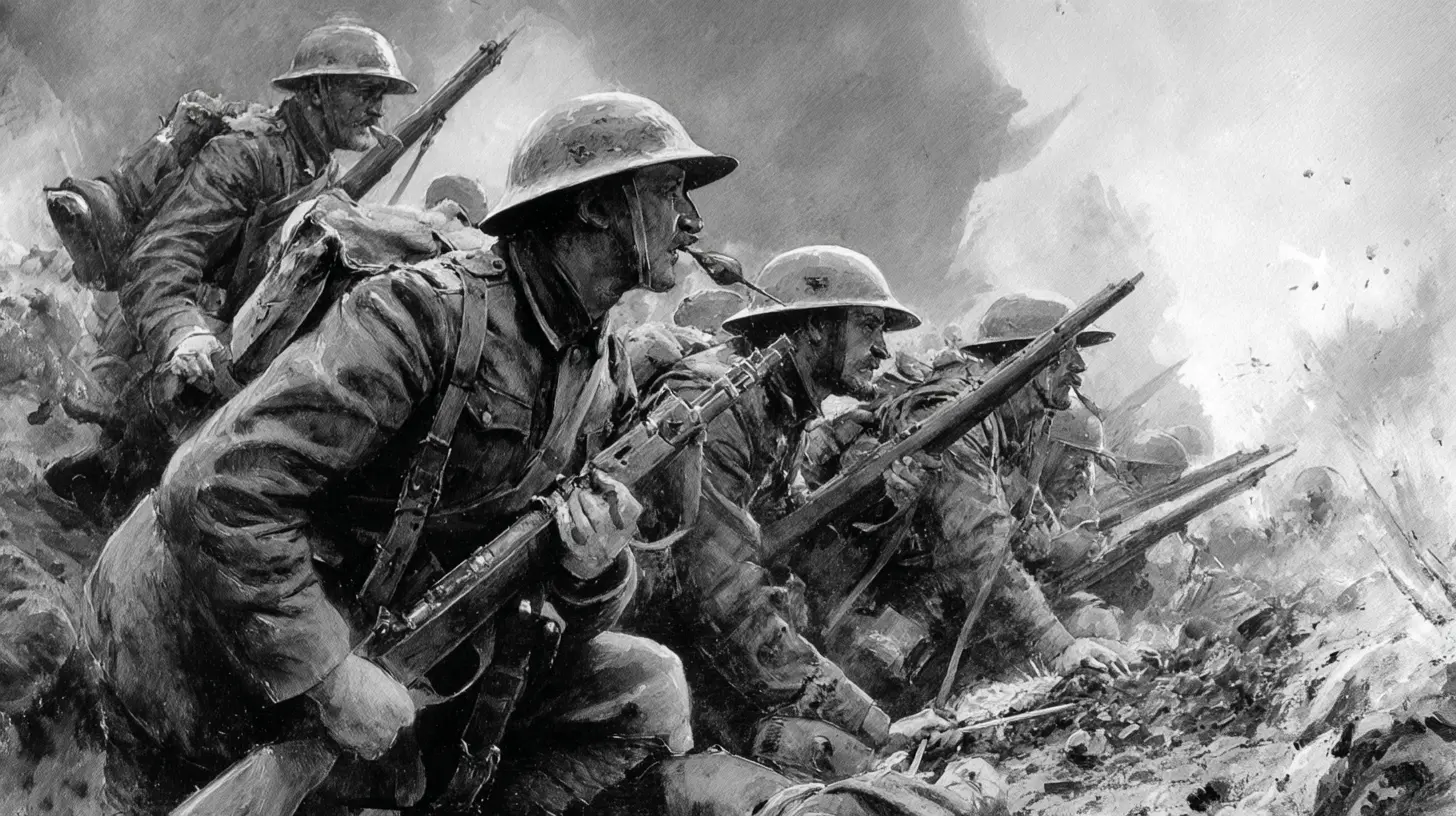
Key Battles That Shaped the War
Some battles stand out for their sheer scale and devastation. Let’s look at a few that turned the tides—or at least tried to.Battle of the Somme (1916)
This was one of the bloodiest battles in human history. Over a million men were wounded or killed. All for about 6 miles of land. It showed just how brutal and ineffective trench warfare could be.Battle of Verdun (1916)
“Bleed France white”—that was Germany’s plan. Verdun lasted nearly the entire year of 1916 and became a symbol of French resilience. Over 700,000 casualties, and the line barely moved.Third Battle of Ypres (Passchendaele)
One word: mud. Soldiers drowned in it. Horses sunk in it. With rain pouring down, artillery fire turning dirt into sludge, and constant fighting, it was a nightmare come to life.The United States Enters the War
For the first few years, the U.S. stayed out of it. But neutrality didn’t last.Why Did the U.S. Join?
- Unrestricted submarine warfare: Germany started sinking ships—civilian ones included.- The Lusitania: A British ship with American passengers, sunk by a German U-boat.
- The Zimmermann Telegram: Germany offered Mexico a deal—invade the U.S. and we’ll help you get your land back. Spoiler alert: it didn’t work.
By April 1917, the U.S. had had enough and officially joined the war. Their fresh troops and resources tipped the balance.
Women in the War: Breaking Barriers
While men were off fighting, guess who kept society running? Women stepped into roles they’d never had before—factory workers, nurses, mechanics. World War I didn’t just change maps; it changed gender roles too. This wave of women in the workforce helped pave the way for female suffrage in several countries after the war ended.The War at Home: Civilian Life and Propaganda
War wasn’t just fought in the trenches—it was felt in every home.Rationing and Shortages
With supplies going to the front lines, everyday essentials became precious. Food was rationed, fuel was scarce, and even clothing had restrictions.Propaganda Machines
Governments pumped out posters, films, and speeches to keep morale up and justify the fight. Think of it like the original social media campaign—except with more moustaches and fewer memes.The Endgame: How Did It All End?
Collapse of the Central Powers
By late 1918, Germany was exhausted. Its allies were falling apart—Austria-Hungary dissolved, the Ottoman Empire was disintegrating, and Bulgaria surrendered. With revolution brewing at home, Germany finally sought peace.The Armistice
November 11, 1918. At 11:00 AM, the guns fell silent. An armistice had been signed. The war was technically over, but peace was still a long way off.The Treaty of Versailles: A Recipe for Round Two?
You’d think peace would bring relief, but the Treaty of Versailles in 1919 stirred up a whole new storm.What Did the Treaty Do?
- Blamed Germany for the war- Imposed massive reparations
- Demilitarized parts of Germany
- Redrew borders across Europe
Germany felt humiliated. And you can probably guess where that anger led—yep, right into the hands of a rising Adolf Hitler two decades later. The treaty didn’t prevent future wars; some say it guaranteed them.
The War’s Legacy: Why It Still Matters
World War I didn’t just end with death tolls and treaties. It left a deep mark on global consciousness.Political Shifts
- Monarchies fell (Germany, Austria-Hungary, Russia, Ottoman Empire)- New nations emerged (Czechoslovakia, Yugoslavia, etc.)
- The League of Nations was born (a precursor to the UN)
Cultural Aftershocks
Art, literature, and society took a darker, more disillusioned turn. The “Lost Generation” expressed the futility and trauma of war in haunting works that still resonate today.Technological and Tactical Evolution
World War I pushed human innovation to its limits—but mostly in making better ways to kill each other. Those lessons shaped how World War II would be fought just a couple of decades later.Final Thoughts: Was It Really "The War to End All Wars"?
Here’s the ironic twist: despite the name, World War I didn’t end all wars. In fact, it barely gave the world two decades of uneasy peace before World War II erupted. However, it did shine a harsh light on the realities of global conflict, forever shifting how humanity views war.So, was it worth it? That's a question still debated in classrooms and books. But one thing’s for sure—World War I changed the world in irreversible ways.
Frequently Asked Questions
How long did World War I last?
World War I lasted from July 28, 1914, to November 11, 1918—just over four years.How many people died in World War I?
The war resulted in more than 16 million deaths and 21 million wounded, including both military personnel and civilians.Why is World War I considered a global conflict?
Because it involved nations from multiple continents and affected economies, politics, and societies across the globe.Were there any positive outcomes?
While the war itself was horrendous, it did lead to advancements in technology, medicine, and a greater push for international cooperation—though not immediately.Did World War I directly lead to World War II?
In many ways, yes. The Treaty of Versailles created conditions of economic hardship and political instability in Germany that helped fuel the rise of Nazism and eventually World War II.all images in this post were generated using AI tools
Category:
History LessonsAuthor:

Zoe McKay
Discussion
rate this article
2 comments
Maya Newman
War's lessons remain painfully relevant.
April 16, 2026 at 4:47 AM
Zoe McKay
Absolutely, the echoes of the past remind us to strive for peace and understanding in our world today.
Natalia Patel
What an intriguing perspective! How did the ideals behind "the war to end all wars" shape global conflict resolutions and peace efforts in subsequent decades?
March 19, 2026 at 5:50 AM
Zoe McKay
The ideals behind "the war to end all wars" aimed for lasting peace but often led to unrealistic expectations. This left a legacy of unresolved tensions and a cycle of conflict, influencing how future peace efforts were approached, often emphasizing collective security and the importance of diplomacy.