When Silence Speaks: Understanding Non-Verbal Participation
12 November 2026
In an increasingly interconnected world, communication extends far beyond spoken words. Non-verbal participation plays a crucial role, influencing interactions in various contexts, from classrooms to boardrooms. Understanding how silence and body language contribute to communication can enhance your ability to engage with others effectively. This article delves into the nuances of non-verbal participation, discussing its significance, practical applications, and common misconceptions.
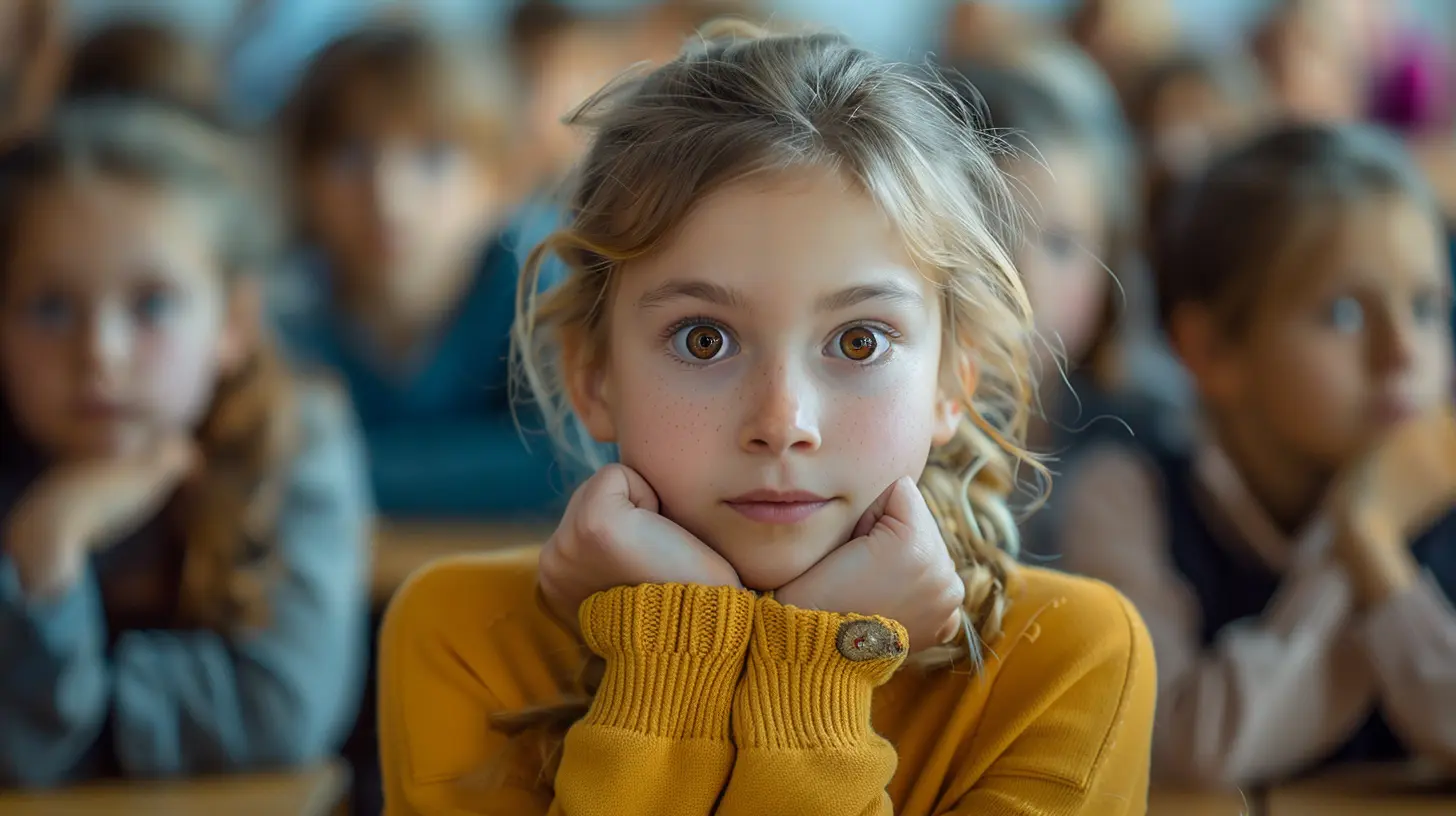
The Importance of Non-Verbal Communication
Defining Non-Verbal Communication
Non-verbal communication encompasses a range of behaviors, including facial expressions, gestures, posture, and even silence. It conveys emotions and intentions that words alone may not express. For instance, a nod can signify agreement without uttering a word, while crossed arms might indicate defensiveness or resistance.The Role of Silence
Silence itself is a powerful form of communication. It can indicate contemplation, discomfort, or disagreement. In many cultures, silence is valued as a sign of respect or thoughtfulness. Understanding when silence speaks is crucial for interpreting interactions accurately.
Types of Non-Verbal Communication
Body Language
Body language includes posture, movements, and physical proximity. Research shows that over 90% of communication can be attributed to non-verbal cues. For example, an open posture can signal receptiveness, while a closed posture might suggest discomfort or defensiveness.Facial Expressions
Facial expressions communicate a range of emotions, often more genuinely than words. A smile can convey warmth and friendliness, while a frown can indicate displeasure or confusion. Being attuned to these cues can enhance interpersonal understanding.Eye Contact
Eye contact is a vital aspect of non-verbal communication. It can establish connection and trust or signify aggression if maintained too long. Cultural differences also play a role; in some cultures, direct eye contact is encouraged, while in others, it may be seen as disrespectful.Proxemics
Proxemics refers to the use of space in communication. Personal space varies across cultures and contexts. Understanding these differences can prevent discomfort and miscommunication. For instance, a business meeting may necessitate a closer arrangement than a casual gathering.
The Impact of Silence in Various Contexts
In Education
In educational settings, silence can enhance learning. Students often need time to process information before responding. Educators who embrace silence give students the opportunity to think more deeply, fostering a more engaging learning environment. However, silence can also be misinterpreted as disengagement. Teachers should strive to create an atmosphere where silence is viewed as a positive aspect of participation.In the Workplace
In professional environments, silence can indicate agreement, dissent, or contemplation. An employee who remains silent during a meeting may be processing information or may feel uncomfortable contributing. Managers should encourage open dialogue, ensuring that silence does not equate to exclusion. Providing opportunities for written feedback can also help those who prefer to express their thoughts away from the spotlight.In Personal Relationships
In personal relationships, silence can be equally telling. A partner's silence during a discussion may signal discomfort or disagreement. Recognizing these cues can prevent misunderstandings. It is essential to approach silence with curiosity rather than assumptions, fostering open conversations about feelings.
Common Misconceptions About Non-Verbal Communication
Silence Equals Agreement
One significant misconception is that silence always indicates agreement. While silence can suggest acceptance, it may also signify uncertainty or a need for clarification. It is vital to read the context and establish a dialogue to understand the underlying emotions.Non-Verbal Cues Are Universal
Another common belief is that non-verbal cues are interpreted similarly across cultures. In reality, gestures, expressions, and even silence can hold different meanings in various cultural contexts. For example, nodding may imply agreement in many cultures, but in some, it might mean the opposite. Understanding cultural nuances is essential for effective communication.Body Language is Always Intentional
People often assume that body language is a conscious reflection of emotions. However, much of our body language is instinctive. For instance, someone may cross their arms out of habit rather than as a deliberate sign of defensiveness. Recognizing this can help avoid misinterpretation of non-verbal signals.Best Practices for Interpreting Non-Verbal Participation
Observe Context
Context is key in interpreting non-verbal cues. Pay attention to the environment and situation. A person's silence in a loud, chaotic setting may indicate discomfort or a desire to focus, while silence in a quiet room may suggest deep contemplation. Always consider the broader picture.Look for Clusters of Cues
Isolating a single non-verbal cue can lead to misinterpretation. Instead, observe clusters of behaviors. For example, if someone avoids eye contact, fidgets, and speaks softly, these signals together may indicate anxiety or reluctance. Evaluating multiple cues provides a clearer understanding of emotions.Be Mindful of Your Own Non-Verbal Signals
Your own body language can significantly influence interactions. Being aware of your gestures, posture, and expressions can enhance communication. For instance, if you want to convey openness, try to maintain an inviting posture and make appropriate eye contact.Foster Open Communication
Encouraging dialogue about non-verbal communication can enhance understanding. In educational and professional settings, discussing the role of silence and body language can lead to more productive interactions. Create an environment where individuals feel comfortable expressing their thoughts, whether verbally or non-verbally.
Practical Applications of Understanding Non-Verbal Participation
Enhancing Classroom Engagement
Educators can utilize non-verbal communication to foster classroom engagement. For example, using pauses strategically allows students to reflect on questions before responding, encouraging deeper thinking. Incorporating activities that require non-verbal responses, such as group brainstorming with sticky notes, can also promote participation.Improving Workplace Dynamics
In professional settings, managers can leverage non-verbal communication to improve team dynamics. Conducting regular check-ins and encouraging team members to share their thoughts non-verbally can create a more inclusive workplace. Recognizing non-verbal cues during meetings can help identify potential conflicts or concerns before they escalate.Strengthening Personal Connections
In personal relationships, being attuned to non-verbal cues can strengthen bonds. For instance, noticing when a friend is silent after sharing news can provide an opportunity to offer support or ask questions. Engaging in conversations about each other's non-verbal communication preferences fosters understanding and connection.Conclusion
Non-verbal participation, particularly silence, plays a critical role in communication. Understanding how to interpret and utilize these non-verbal cues can significantly enhance interactions in various contexts. By being aware of the importance of body language, facial expressions, and the nuances of silence, individuals can communicate more effectively and empathetically.the ability to read and respond to non-verbal signals enriches relationships and fosters understanding. By practicing mindfulness in communication and creating open dialogues about non-verbal cues, we can create environments where everyone feels heard, valued, and understood.
all images in this post were generated using AI tools
Category:
Class ParticipationAuthor:

Zoe McKay

