Using Technology to Enhance Health Education in Schools
1 June 2026
Health education has always been a critical part of a student’s overall development. But let’s face it—traditional health classes with bulky textbooks and dull lectures don’t always hit the mark. In a world where technology is practically stitched into the fabric of our daily lives, it's only natural to ask: Why not use that same tech to make health education more exciting, more effective, and way more engaging?
This article dives deep into how schools can embrace technology to supercharge their health education curriculum. From interactive apps to virtual reality, we’ll explore the tools that are changing the game, and why this matters more now than ever before.
Why Health Education Needs a Makeover
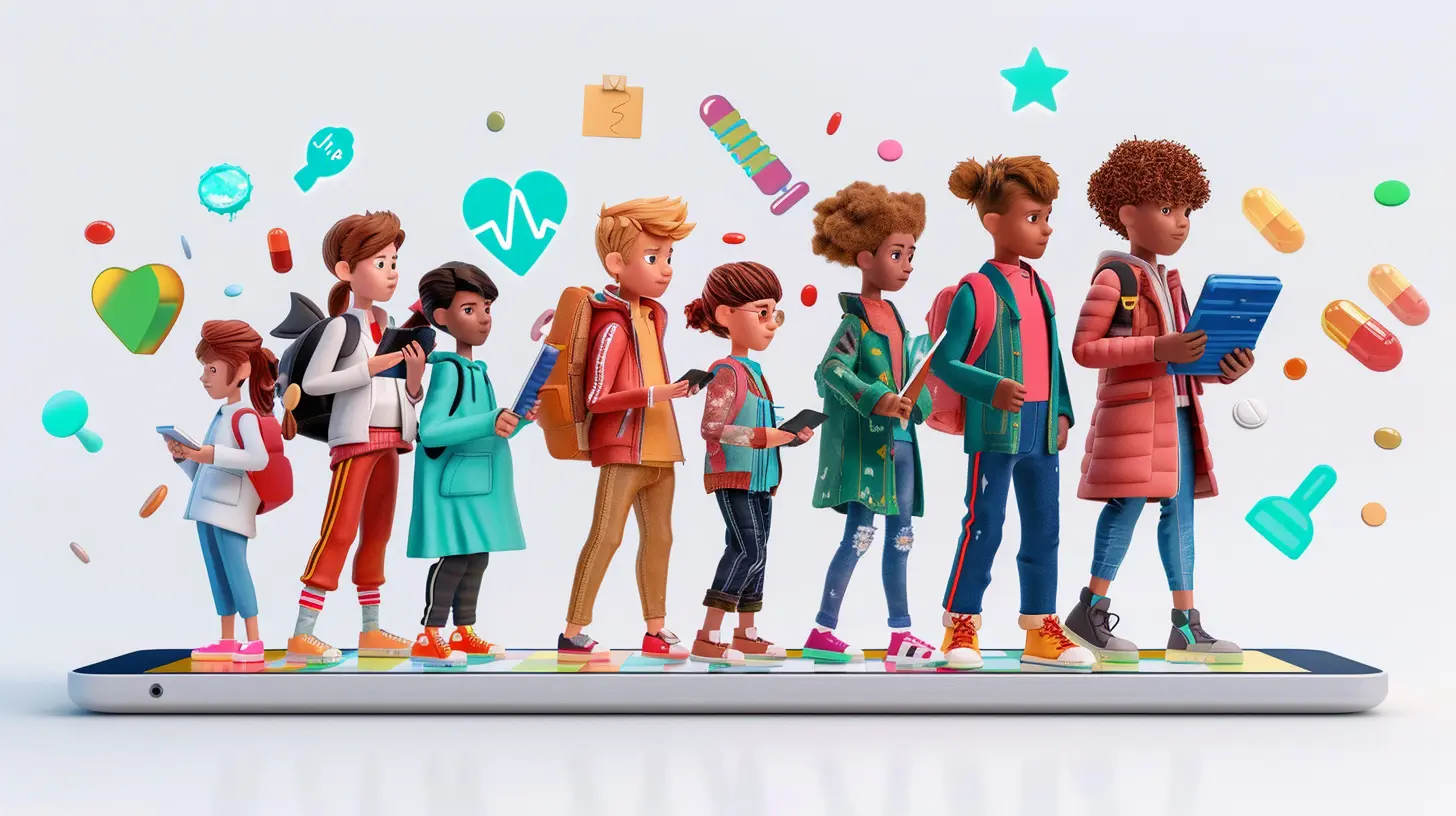
Let’s start with the elephant in the room—traditional health education often doesn't resonate with students. Sure, many of us sat through those classes learning about nutrition pyramids, puberty, and why smoking is bad. But how much did we really retain?The issue isn't necessarily the content; it’s the way it's delivered.
Students today are digital natives. They've grown up tapping on screens, streaming videos, and asking Siri or Alexa for answers. So, plopping them down in front of a chalkboard just doesn’t cut it anymore. If we want to keep kids informed and interested in their health, we need to speak their language—and that language is tech.

The Role of Technology in Modern Education
Before we get into the specifics, let’s talk about the big picture: What has technology already done for education?- Personalized learning is on the rise, thanks to adaptive learning software.
- Online classrooms make learning accessible anytime, anywhere.
- Gamification makes boring subjects come alive.
- Data analytics help track student progress and identify areas needing support.
Now, imagine applying all of that to health education. The potential here is massive.
Interactive Apps: Health in Your Pocket
Remember when apps were just for games? Well, now they're doing a lot more—especially in education.1. Fitness Tracking & PE Integration
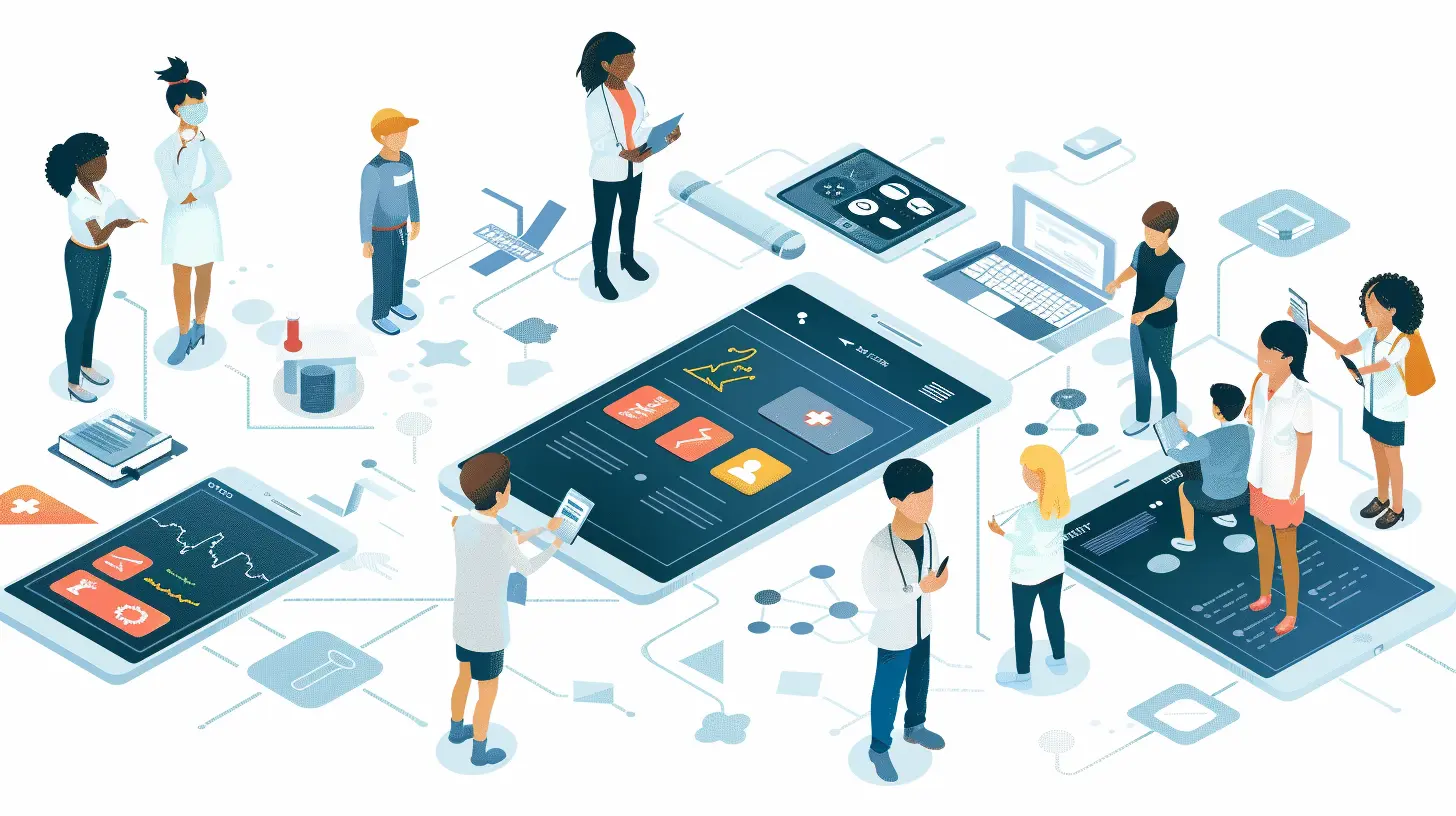
Apps like MyFitnessPal, Fitbit, and even Apple Health have made it easier than ever for students to track their physical activity, food intake, and sleep. Teachers can incorporate these into Physical Education classes, turning simple jogs or workouts into data-driven exercises. Imagine students setting fitness goals and seeing their progress in real-time. That’s motivation you can’t get from a textbook.2. Mental Health Tools
Apps like Headspace, Calm, and Moodpath aren’t just for adults. They’re being used in schools to help students manage stress, learn mindfulness, and even improve focus. With rising concerns around teen mental health, integrating these tools into daily school life is a game-changer.3. Nutrition and Lifestyle Education
Interactive platforms like Fooducate help students understand what they’re eating. Students can scan food barcodes and immediately get detailed nutrition information with tips for healthier choices. It's not just telling kids what to eat—it's showing them why.
Virtual Reality (VR) & Augmented Reality (AR): Learning by Living It
If you want to really grab a student’s attention, slap on a VR headset. It’s that simple.VR and AR are now being used to take health education to another planet—figuratively speaking. With VR, students can:
- Take a guided tour of the human body.
- See how smoking or alcohol affects organs in real time.
- Experience what it’s like to live with a chronic illness like diabetes or asthma.
These immersive experiences make lessons unforgettable. Why read about the circulatory system when you can walk through it?
Online Health Portals and Digital Curriculum
Many schools are now adopting fully digital health education programs. These platforms offer structured lessons, multimedia content, and interactive quizzes.Here’s why they work:
- Self-paced learning: Students can watch videos and complete readings at their own speed.
- Instant feedback: Quizzes provide immediate results, reinforcing learning.
- Parent access: In some systems, parents can log in to see what their kids are learning. It opens the door to health discussions at home.
Examples of platforms doing this right include EVERFI, BrainPOP, and Google Classroom integrations with health modules.
Gamification: Making Health Fun
Let’s be honest—most of us learn better when we’re having fun. That’s where gamified health education comes in.Students can:
- Earn points for making healthy decisions in simulation games.
- Compete in fitness challenges through school-wide leaderboards.
- Participate in virtual scavenger hunts to learn about mental and physical health topics.
When you turn learning into a game, you also turn students into willing participants. And the best part? They don’t even realize they’re learning.
Wearable Tech and Smart Devices
From smartwatches to fitness trackers, the rise of wearable technology is influencing how we approach health.In schools, this can look like:
- Tracking student steps during P.E. classes.
- Monitoring heart rates during exercises to teach about cardiovascular health.
- Integrating wearables with classroom apps to analyze data.
It’s not just cool—it encourages students to pay attention to their own bodies in a way that’s proactive and empowering.
Real-Time Data and Analytics
Imagine being able to see which students are getting the message and which ones aren’t—right there in real-time. That’s what tech-enabled health education offers.Teachers can:
- Track quiz scores and identify common problem areas.
- See how much time students are spending on certain topics.
- Adjust lesson plans based on performance data.
This means more efficient teaching and more personalized learning experiences, which leads to better outcomes.
Addressing Sensitive Topics with Sensitivity
One of the toughest parts of health education is tackling topics like sex education, substance abuse, and mental health. These subjects can be awkward, uncomfortable, or even stigmatized.Technology provides a layer of privacy that can make students feel safer.
- Anonymous Q&A features allow students to ask questions without embarrassment.
- Video content presents facts in a way that's clear, consistent, and non-judgmental.
- Interactive scenarios help teens “practice” making smart decisions in real-life situations.
When done right, tech doesn’t just inform—it supports and empowers.
The Role of Teachers and Parents
Here’s the thing: technology is a tool—not a replacement. Teachers still play a critical role in guiding, contextualizing, and personalizing the learning journey.Parents, too, can get more involved through tech. Platforms that offer parent dashboards or regular updates can help keep the conversation going outside of the classroom.
The key is collaboration. Teachers, parents, and students need to work together, with technology acting as the bridge.
Challenges to Consider (And How to Overcome Them)
Let’s not sugarcoat it—there are a few bumps in the road.1. Access and Equity
Not every school has the budget for VR headsets or the latest smart devices. And not every student has internet access at home.?️ Solution? Focus on mobile-friendly and scalable solutions. Use tech that runs on basic devices and provide offline options when you can.
2. Teacher Training
Some educators might feel overwhelmed by all this new tech.?️ Solution? Districts need to invest in proper training and ongoing support. When teachers are confident, students reap the benefits.
3. Data Privacy
Collecting health-related data means walking a fine line with privacy.?️ Solution? Schools must ensure platforms are compliant with laws like FERPA and HIPAA and that student data is treated with care.
A Glimpse into the Future
So what’s next? With AI, machine learning, and even more sophisticated wearable tech on the horizon, the sky’s the limit.Imagine AI-tutors guiding students through personalized health scenarios. Or community-wide health challenges tracked and celebrated via school apps.
One day, your smartwatch might vibrate during class not because you got a text—but because it’s time for a mindfulness break.
Final Thoughts
Using technology to enhance health education in schools isn't just a cool idea—it’s a necessary evolution. Our kids are growing up in a world where their health is constantly influenced by digital forces, from social media to wearable tech. It only makes sense to fight fire with fire and use those same digital tools to empower them.By blending the latest innovations with expert guidance, schools can make health education not only more effective but actually enjoyable. And when students enjoy learning about their health, they’re more likely to take it seriously.
So, whether it's through an engaging app, an immersive VR experience, or just a clever online quiz, technology is here to stay—and health education is all the better for it.
all images in this post were generated using AI tools
Category:
Health EducationAuthor:

Zoe McKay
Discussion
rate this article
1 comments
Audra McCool
Integrating technology in health education empowers students to engage actively, fostering a deeper understanding of wellness and healthy choices.
June 1, 2026 at 3:43 AM
Zoe McKay
I completely agree. Engaging students with technology makes health education more interactive and relevant, enhancing their understanding of important wellness topics.