The Role of Teachers in Detecting and Preventing Health Issues
25 May 2026
When we think of teachers, the first thing that comes to mind is classrooms, textbooks, and grades. But there's so much more to teaching than just academics. Teachers are among the first adults—outside of a child’s family—who notice changes in behavior, mood, and physical well-being. Their daily interactions with students make them crucial players in identifying and even preventing health issues. Surprising? Maybe not once you think about it.
In this article, we’re going to dive deep into the powerful yet often overlooked role teachers play in safeguarding students’ health. Brace yourself—it’s more than just pointing sick kids to the nurse’s office.
Why Teachers Are in a Unique Position
Let’s face it: kids spend more waking hours at school than anywhere else. For five days a week, teachers are their close observers and indirect caretakers. Think about it—who’s more likely to notice if a child hasn’t eaten in days, suddenly lacks energy, or seems unusually withdrawn? Yep, it’s the teacher.And because teachers interact with students in different settings—classroom discussions, physical activities, one-on-one conversations—they develop a sense of what’s “normal” for each student. That makes any changes more noticeable.
The “Frontline” of Health Monitoring
Just like nurses and doctors are on the frontlines of healthcare, teachers are on the frontlines of child health observation. They see the early warning signs. Whether it’s frequent headaches, sudden weight loss, unusual bruises, or changes in mood and participation, teachers often pick up on clues before anyone else does.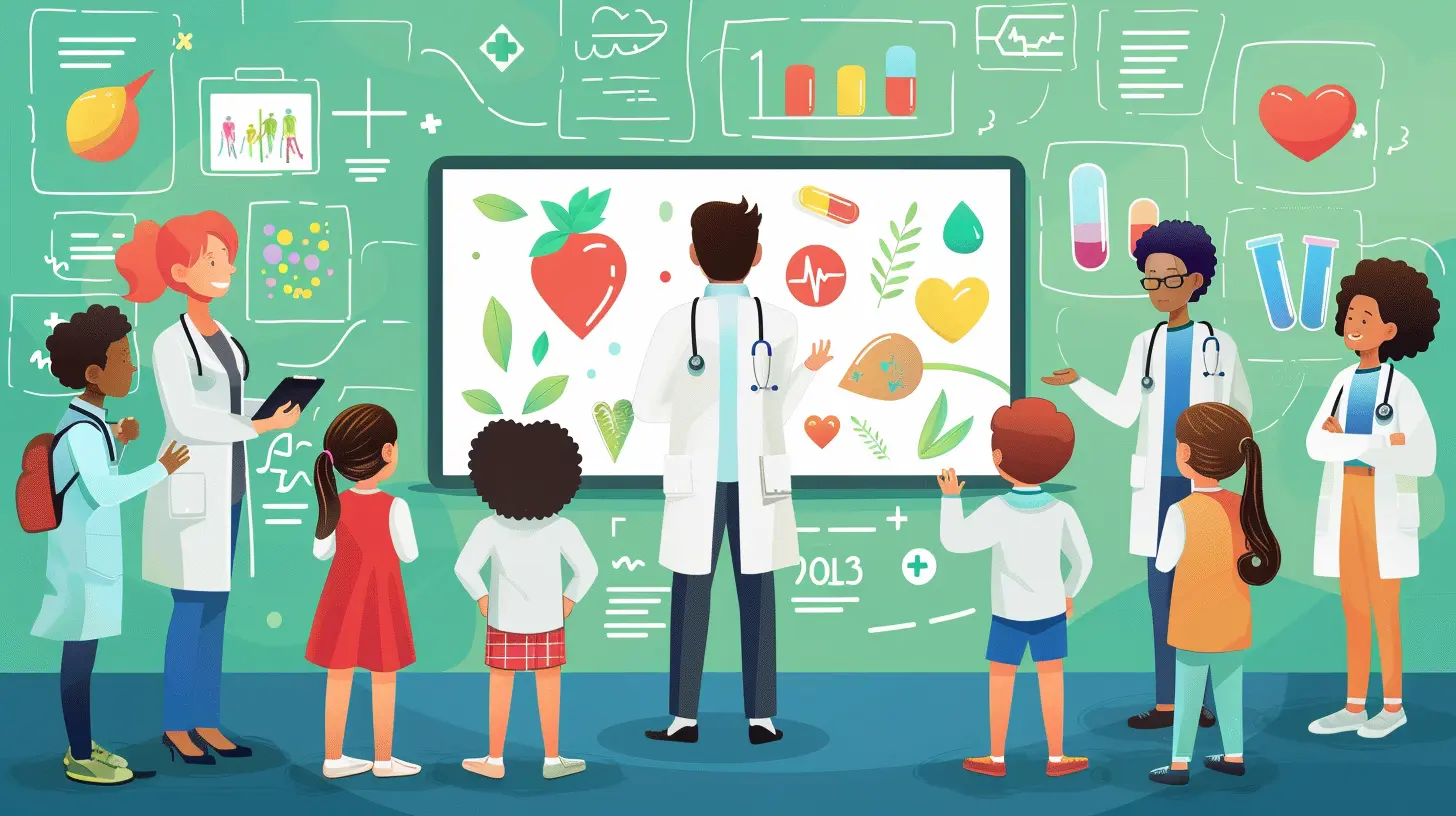
Early Detection: What Teachers Can Notice
Detecting health issues doesn’t require a medical degree. In many cases, it’s about being observant and empathetic. Here are just a few examples of what teachers might notice:1. Physical Symptoms
- Chronic fatigue- Frequent absences due to sickness
- Unusual pallor or skin conditions
- Persistent coughing or sneezing
- Poor hygiene
These could be signs of illnesses ranging from mild allergies to more serious chronic disorders like diabetes or asthma.
2. Emotional and Mental Health Red Flags
- Sudden drop in grades- Loss of interest in activities
- Anxiety or panic attacks
- Easily irritated or unusually quiet
- Signs of depression or suicidal thoughts
Mental health issues in children and teens often manifest quietly. Teachers recognizing these signs early could literally save a life.
3. Behavioral Changes
- Aggression or bullying- Withdrawal from social groups
- Hyperactivity or lack of focus
- Defiance or rebellion
Behavior speaks volumes. A child who’s acting out or isolating themselves might be dealing with deeper issues—often health-related, whether it’s emotional trauma or neurological conditions like ADHD.
Preventive Measures in the Classroom
Now, once the problem is spotted, what’s next? Should the teacher act as a doctor or therapist? Definitely not. But they can take preventive steps that can significantly impact a student’s well-being. Let’s unpack that.1. Creating a Supportive Environment
The classroom atmosphere sets the tone for student behavior and openness. A safe, inclusive, and nurturing environment can help students feel comfortable enough to speak up. When students trust their teacher, they’re more likely to share what’s hurting—whether it’s a bullying incident, a home issue, or something else.2. Health Education
Knowledge is power, especially when it comes to health. Teachers can integrate basic health education into everyday lessons. Talking about hygiene, nutrition, mental well-being, and emotional intelligence isn’t “extra”—it’s essential. It’s not just the PE teacher’s job to talk about healthy habits, right?3. Encouraging Healthy Habits
Think morning routines, water breaks, and physical activity. Teachers who emphasize these small habits help build a healthy rhythm in kids’ lives. Encouraging things like regular handwashing, stretching breaks, and healthy eating can go a long way.4. Building Communication Bridges
Teachers often act as liaisons between students, parents, and healthcare professionals. They might be the first to alert parents about a health concern. If something seems off, a quick conversation with the caregiver could lead to early diagnosis and treatment.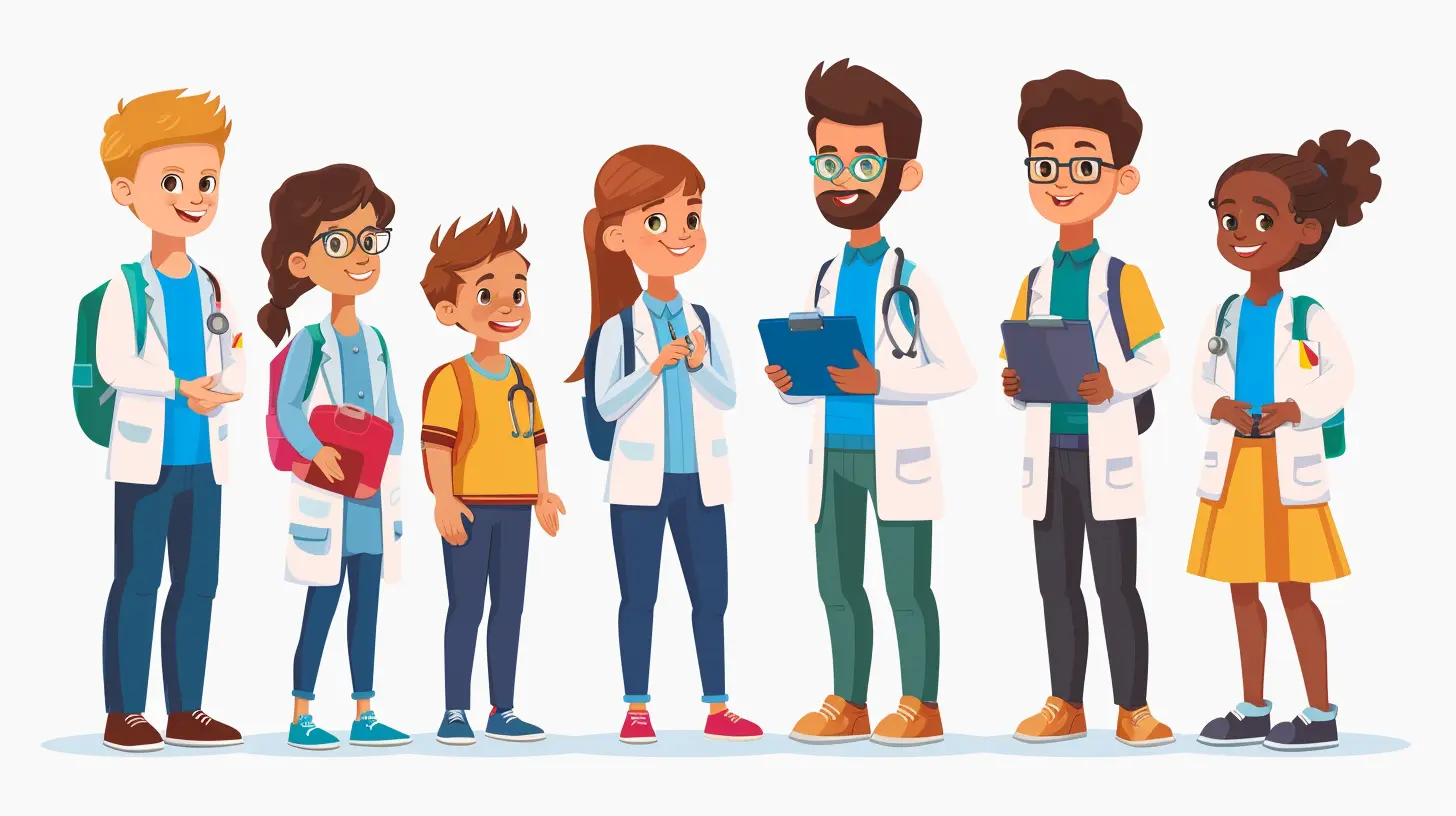
Teachers + Health Professionals = A Strong Team
This isn’t a solo mission. When teachers and school health professionals collaborate, the results are gold. Think about the resources schools already have: counselors, school nurses, and wellness coordinators. Teachers referring students to these professionals creates a network of support instead of letting one person carry all the weight.Referral Process: Catch it, Flag it, Guide it
Once red flags are noticed:1. Document what’s been observed (specific behaviors, frequency, patterns).
2. Discuss concerns confidentially with the school counselor or nurse.
3. Communicate with parents in a sensitive, non-judgmental way.
This system ensures nothing slips through the cracks.
The Challenges Teachers Face
Let’s address the elephant in the room. Teachers already wear so many hats—is it fair to expect them to take on health surveillance too?Honestly, it’s a lot. But here’s the thing: with the right training and support, this doesn’t have to be overwhelming.
Common Hurdles
- Lack of training on recognizing health symptoms- Time constraints due to academic pressures
- Fear of overstepping boundaries or making false assumptions
- Emotional burnout from handling sensitive issues
Solutions That Can Help
- Professional development workshops focused on student health- Clear protocols and guidelines from school administrations
- Collaboration tools that make it easier to connect with health professionals
- Mental wellness programs for teachers themselves
Teachers don't need to be experts in everything. They just need the right tools and a little support to make a big difference.
Why It All Matters
Let’s take a step back. Why does the teacher’s role in health matter so much? Because early intervention can change lives.Let’s say a student is quietly suffering from anxiety. They’re not vocal about it. Their parents are busy and assume everything’s fine. But a teacher notices something’s off—maybe they’ve stopped participating in class or seem tense all the time. That simple observation could lead to a conversation, a referral, and eventually, the support that student needs.
Teachers don’t just teach—they shape futures. And sometimes, they save them too.
Real-Life Stories That Prove the Point
Case 1: Spotting the Signs of Diabetes
A 7th-grade math teacher noticed that one of her students was constantly asking to go to the bathroom and always seemed extremely thirsty. She gently brought it up to the school nurse, and after a quick chat with the parents, the child was diagnosed with Type 1 diabetes. Early detection meant early management—and a healthier student.Case 2: Unmasking Depression
A high school teacher saw a straight-A student suddenly disengage. His posture slumped, his assignments were late, and he was falling asleep in class. Instead of assuming laziness, the teacher reached out. Turns out the student was dealing with major depressive disorder due to a recent family loss. Intervention helped get him back on track, emotionally and academically.What Schools Can Do Better
While teachers are doing their best, schools can—and should—step up, too. Here are some practical steps:- Provide Health and Wellness Training: Not once a decade, but regularly.
- Implement a Clear Health Communication Protocol: So everyone knows who to go to and how to document concerns.
- Appoint Health Liaisons on Staff: A go-to person for teachers when unsure.
- Foster a School Culture That Values Health: From leadership down to students.
When schools prioritize health as much as academics, that’s when you get well-rounded individuals equipped to thrive.
Final Thoughts
Sure, teachers aren't doctors, but they are some of the most powerful advocates for a child’s well-being. Their roles go beyond grades and report cards—they’re lifeguards in the deep pool of growing up.And let’s not forget the best part—it doesn’t take big acts to make a difference. Sometimes, it’s just a kind word, a watchful eye, and a little curiosity. So next time you remember a favorite teacher, think about how they didn’t just teach you—they looked out for you.
That’s the real magic of teaching.
all images in this post were generated using AI tools
Category:
Health EducationAuthor:

Zoe McKay
Discussion
rate this article
1 comments
Petra Hodge
Teachers: the original health detectives. Between spotting sneezes and deciphering lunchbox mysteries, they ensure kids stay healthy and occasionally prevent them from trading their apple for a candy bar... priorities, right?
May 26, 2026 at 12:21 PM
Zoe McKay
Absolutely! Teachers play a vital role in promoting student health, often serving as the first line of defense. Their vigilance can make a big difference in kids' well-being.