The Role of Teachers in a World of Smart Classrooms by 2026
29 April 2026
Let’s be honest for a second. If you’d told me ten years ago that by 2026, classrooms would be buzzing with AI tutors, holographic projections, and real-time data dashboards, I’d have laughed—or maybe panicked. But here we are, standing on the edge of a world where “smart classrooms” aren’t just a sci-fi dream; they’re a reality. By 2026, these spaces will be even more immersive, adaptive, and, frankly, a little intimidating. So, where does that leave the teacher? Are we about to be replaced by a robot with a soothing voice and infinite patience? Not a chance.
In fact, the role of teachers in a world of smart classrooms by 2026 is not shrinking—it’s evolving into something more human, more vital, and more irreplaceable than ever. Think of it this way: technology is the stage, but the teacher is the soul of the performance. Let’s dive into what that really means.
The Smart Classroom of 2026: More Than Just Gadgets
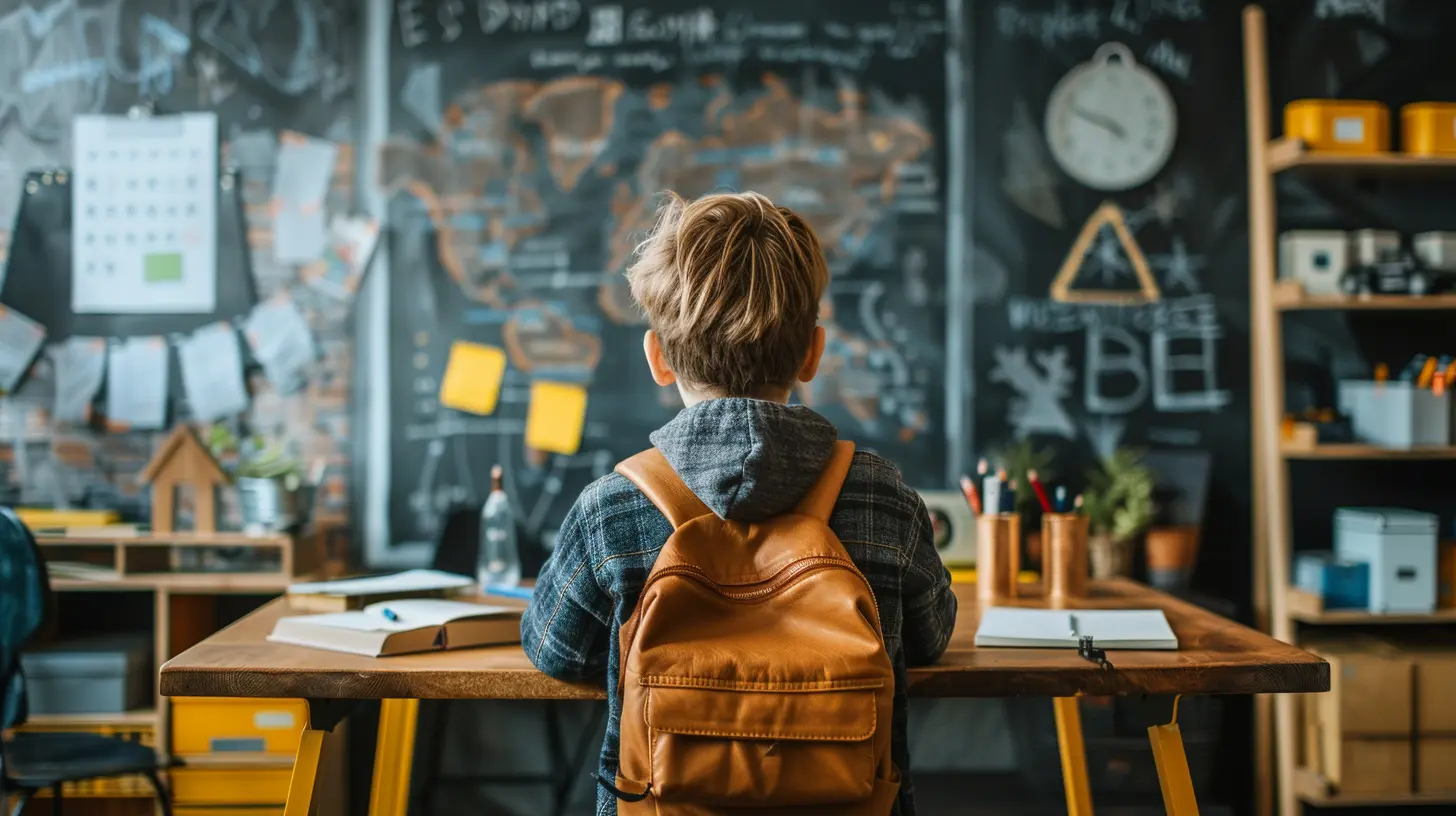
First, let’s paint a picture of what a “smart classroom” by 2026 actually looks like. It’s not just a room with a few tablets and a projector. No, we’re talking about environments that breathe and adapt. Imagine walls that double as interactive screens, where a history lesson on ancient Rome can literally surround you with a 3D reconstruction of the Colosseum. Imagine desks that track a student’s attention levels and adjust the lesson’s difficulty in real-time. Imagine AI that can answer a student’s question about calculus at 2 AM, then report back to the teacher with a summary of common struggles.Sounds amazing, right? But here’s the kicker: all this tech is useless without a human who knows how to wield it. A smart classroom is like a Ferrari—it’s powerful, fast, and gorgeous, but if you hand the keys to someone who’s never driven a stick shift, you’re going to end up in a ditch. Teachers are the drivers. They’re the ones who decide when to floor the accelerator and when to brake.
Why Technology Can’t Teach Empathy (Yet)
Let’s get one thing straight: no algorithm, no matter how advanced, can replicate the warmth of a teacher’s smile when a student finally “gets it.” By 2026, AI might be able to grade essays, recommend resources, and even mimic conversation, but it cannot feel. It cannot look at a student who’s struggling and say, “Hey, I see you’re having a rough day. Let’s take a break and talk.”This is where teachers become irreplaceable. In a smart classroom, the tech handles the repetitive, data-heavy tasks—like tracking attendance, generating quizzes, or providing instant feedback on multiple-choice questions. That frees up the teacher to focus on what truly matters: building relationships. Think of it like a chef in a high-tech kitchen. The smart oven can perfectly roast a chicken, but only the chef knows when to add a pinch of love or a dash of intuition. Teachers are the chefs of the classroom, and by 2026, their “kitchen” will be more sophisticated than ever.
The Shift From “Sage on the Stage” to “Guide on the Side”
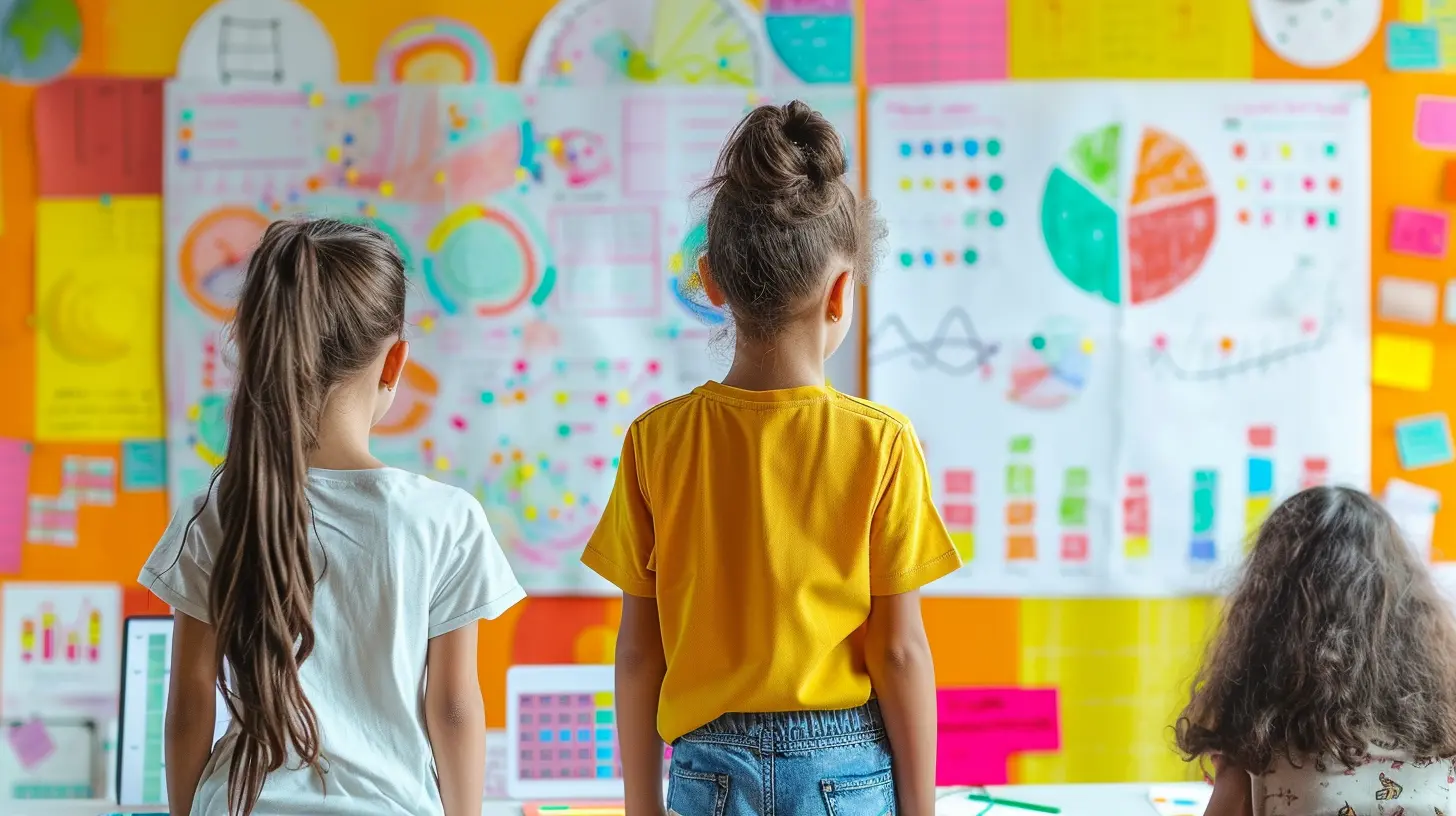
Remember the old model of teaching? The teacher stood at the front, chalk in hand, lecturing a sea of sleepy faces. That model is already dying, and by 2026, it’ll be a relic. In a smart classroom, the teacher’s role shifts from being the sole source of knowledge to being a facilitator, a curator, and a coach.Here’s a metaphor: imagine a librarian in a massive, ever-expanding digital library. The books (or in this case, information) are everywhere—videos, interactive simulations, AI tutors. The teacher’s job isn’t to memorize every book; it’s to help students find the right ones, question them, and connect them to real life. A student might use a VR headset to walk through a rainforest, but the teacher is the one who asks, “Why do you think deforestation matters to you personally?” That question—the human, messy, emotional question—is where learning truly happens.
Real-Time Data: The Teacher’s Superpower (Not a Crutch)
One of the biggest changes by 2026 will be the use of real-time data. Smart classrooms will constantly collect information: which students are zoning out, which concepts are confusing, which students are racing ahead. For a teacher, this is like having a sixth sense. But here’s the catch: data without context is just noise.A teacher might see a dashboard showing that 70% of the class failed a quiz on fractions. The knee-jerk reaction? Blame the students or the curriculum. But a skilled teacher will dig deeper. “Wait,” they’ll say, “maybe the problem isn’t fractions—it’s that the lesson was scheduled right after lunch when everyone’s drowsy. Or maybe the AI tutor explained it in a way that didn’t click.” The teacher’s job is to interpret the data, not just report it. They’re like a detective, using clues from the tech to solve the mystery of why learning isn’t happening.
The Human Touch in a Digital World
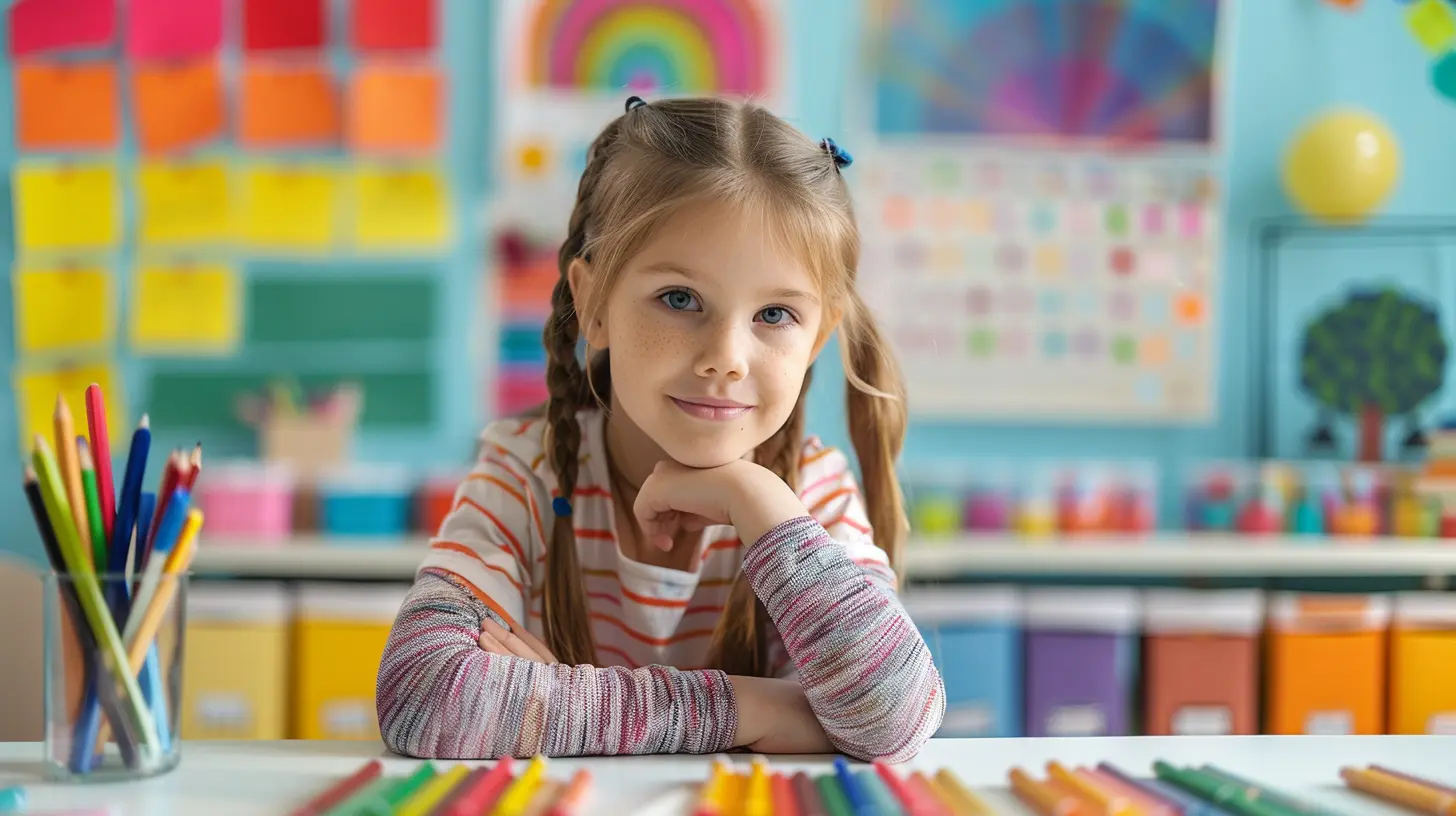
Let’s talk about the elephant in the room: screen time. By 2026, kids will be more plugged in than ever. Smart classrooms might have students wearing AR glasses, interacting with holograms, or using voice assistants. But here’s a scary thought: all that tech can make learning feel cold, transactional, and lonely. That’s where the teacher steps in as the antidote.A teacher’s role is to humanize the digital experience. When a student is frustrated by an AI tutor that keeps giving the same hint, the teacher can step in and say, “Let me show you a different way.” When a student’s VR headset makes them dizzy, the teacher can offer a glass of water and a break. When a student is overwhelmed by the sheer volume of information at their fingertips, the teacher can say, “Breathe. Let’s focus on just one thing today.”
This isn’t just about kindness—it’s about effective learning. The brain learns best when it feels safe, connected, and valued. A smart classroom can provide the data, but only a human can provide the safety.
The Teacher as a “Learning Architect”
By 2026, teachers will need to be more than just subject-matter experts. They’ll need to be architects of learning experiences. Think of it like designing a video game. A good game designer doesn’t just throw challenges at a player; they create a journey with ups and downs, moments of struggle, and moments of triumph. The teacher’s role is to design that journey, using the smart classroom’s tools as building blocks.For example, a teacher might use AI to generate personalized reading lists for each student, then use a VR simulation to let them “visit” the setting of a novel, and then lead a group discussion where students debate the themes. The tech does the heavy lifting, but the teacher orchestrates the symphony. Without the conductor, you just have a bunch of noisy instruments.
The Challenge of Keeping It Real (and Humble)
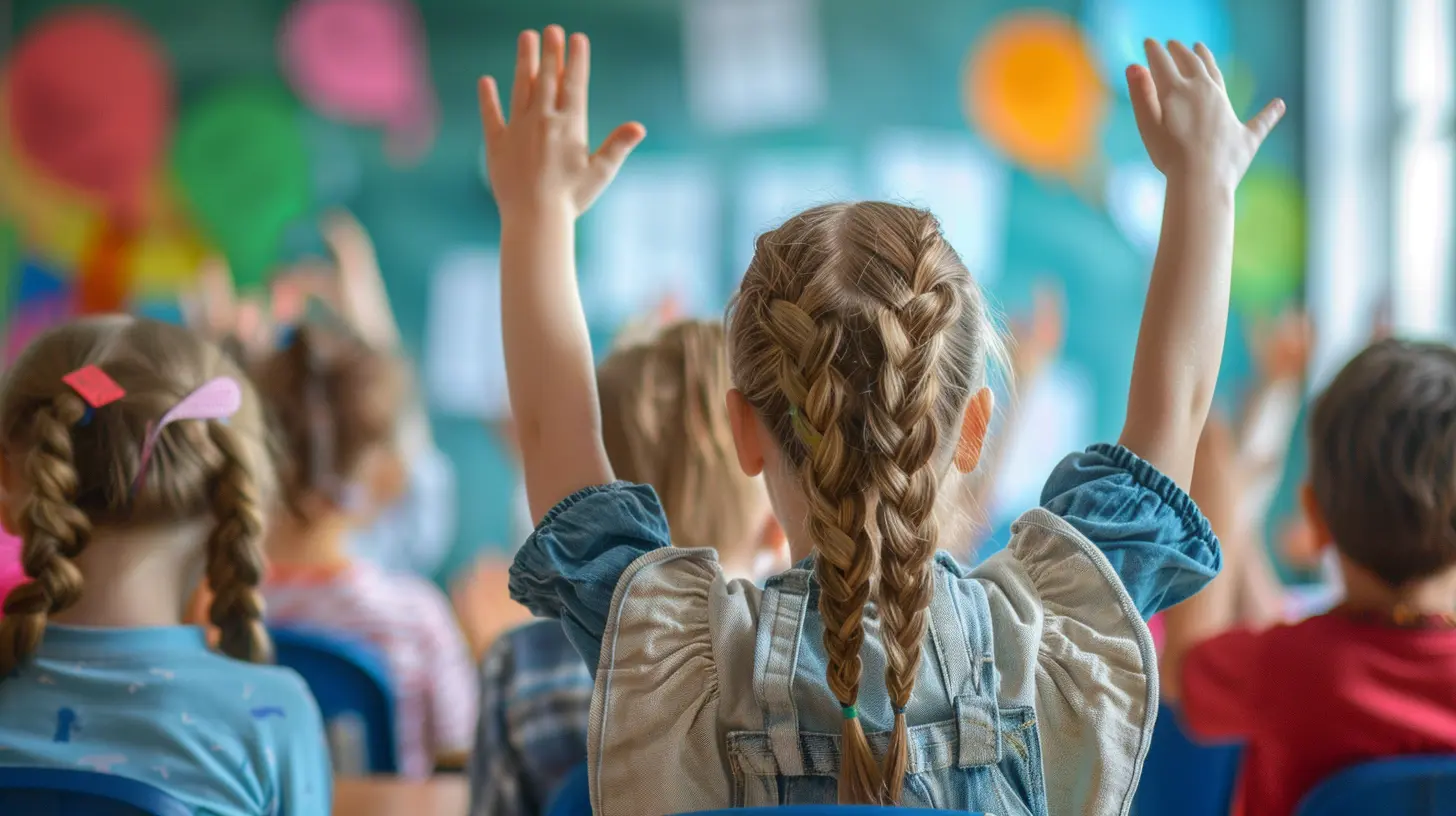
Let’s not pretend this transition will be easy. By 2026, many teachers will feel overwhelmed by the pace of change. They’ll have to learn new tools, adapt to new pedagogies, and unlearn old habits. It’s tempting to feel like a dinosaur in a world of sleek machines.But here’s the truth: the best teachers are lifelong learners. They’re humble enough to admit when a student knows more about a piece of tech than they do. They’re genuine enough to say, “I don’t know, but let’s figure it out together.” In a smart classroom, that humility becomes a superpower. It models for students that learning is a journey, not a destination.
The Danger of Over-Reliance on Tech
One pitfall we must avoid by 2026 is the temptation to let the tech run the show. A smart classroom can become a lazy teacher’s crutch. “Oh, the AI will handle it.” But that’s a recipe for disaster. Imagine a pilot who relies entirely on autopilot. Sure, the plane can fly itself for a while, but when something goes wrong—a storm, a system failure—you need a human who can take the controls.Teachers are that human. They need to know when to turn off the screens, put away the tablets, and just talk. Sometimes, the most powerful lesson happens in a moment of silence, a shared laugh, or a heartfelt conversation. No smart classroom can replicate that.
The Emotional Labor: Why Teachers Matter More Than Ever
Let’s get real about the emotional side. By 2026, students will face unprecedented pressures: information overload, social media anxiety, climate anxiety, and the relentless pace of change. A smart classroom can diagnose a student’s stress levels through biometric sensors, but it can’t offer a hug or a listening ear.Teachers will become frontline mental health allies. They’ll notice when a student who usually participates suddenly goes quiet. They’ll know when to push and when to pull back. They’ll be the ones who say, “Your grade isn’t who you are. You’re more than a test score.” In a world obsessed with metrics and data, teachers will be the guardians of humanity.
The Unseen Work: Lesson Planning in the Age of AI
You might think that by 2026, lesson planning will be automated. “Just tell the AI what you want to teach, and it’ll generate a perfect plan.” And sure, that’s possible. But a truly great teacher won’t just use a template. They’ll customize it. They’ll think about the specific kids in their room—their quirks, their struggles, their dreams.A teacher might know that Maria learns best through visuals, while Jamal needs hands-on activities. The AI can suggest resources, but only the teacher knows that Maria’s mom just lost her job, so she needs extra encouragement today. That nuance—the messy, beautiful, unpredictable nuance of human beings—is something no algorithm can capture.
The Future Is Collaborative, Not Competitive
One of the biggest misconceptions about smart classrooms is that they’re about replacing teachers with machines. Actually, the opposite is true. By 2026, the most effective classrooms will be collaborative spaces where humans and technology work together like a well-oiled machine.Think of it as a dance. The technology provides the beat, the rhythm, and the lights. The teacher leads, follows, and improvises. The students are the partners, each with their own style. And the dance floor is the classroom. When it works, it’s beautiful. When it doesn’t, it’s because someone forgot that the dance is about connection, not perfection.
The Teacher as a Role Model for Digital Citizenship
Let’s face it: kids today are digital natives, but they’re not always digital wise. They know how to swipe, scroll, and like, but do they know how to evaluate sources, spot misinformation, or protect their privacy? By 2026, the teacher’s role will include teaching digital citizenship—not as a separate subject, but as a woven part of every lesson.A teacher might use a smart classroom’s tools to show how a deepfake video is made, then ask students to question everything they see online. They might model good behavior by saying, “I’m not sure about this source. Let’s fact-check it together.” In a world of smart classrooms, the teacher becomes the compass for navigating the digital wilderness.
The Bottom Line: Teachers Are the Heartbeat
So, what’s the role of teachers in a world of smart classrooms by 2026? It’s not to compete with technology—it’s to complement it. It’s to be the warm, messy, unpredictable human element that makes learning stick. It’s to say, “I see you, I hear you, and I believe in you,” when the screen can only say, “Try again.”If a smart classroom is a ship, the teacher is the captain. The technology provides the maps, the engines, and the navigation tools. But the captain sets the course, reads the weather, and makes the tough calls. And most importantly, the captain makes sure every passenger feels safe and valued.
By 2026, the world will be more connected, more automated, and more data-driven than ever. But it will also be more lonely, more anxious, and more hungry for genuine human connection. That’s where teachers shine. They’re not just educators—they’re healers, mentors, and guides. And in a world of smart classrooms, that role is more precious than gold.
So, if you’re a teacher reading this, take a deep breath. You’re not being replaced. You’re being freed. Freed from the drudgery of grading papers and taking attendance. Freed to do what you do best: inspire, connect, and transform lives. The smart classroom is your tool, not your master. Use it wisely, and the future of education will be brighter than ever.
all images in this post were generated using AI tools
Category:
Education BlogsAuthor:

Zoe McKay
Discussion
rate this article
2 comments
Nixie Perry
This article offers valuable insights into the evolving role of teachers. As technology advances, their guidance will be crucial in shaping student learning experiences.
July 27, 2026 at 3:17 AM
Zoe McKay
Thanks for your feedback! I'm glad you found the insights valuable. Teachers will indeed play a key role in navigating these changes.
Blaine Curry
Teachers: the essential human touch in an increasingly automated learning landscape. Don’t underestimate!
April 29, 2026 at 11:44 AM
Zoe McKay
Absolutely! The human connection teachers provide is irreplaceable, even as technology evolves. It's essential for fostering critical thinking and empathy in students.