The Importance of Empathy in Peer Tutoring Relationships
15 July 2026
Let’s get real for a second—learning can be tough. Whether it's solving algebra problems or trying to understand Shakespeare, most of us have hit a point where we thought, “I just don’t get it.” That’s where peer tutoring comes in—students helping other students. But what makes peer tutoring more than just a knowledge transfer? One word: empathy.
Empathy is the emotional glue that holds peer tutoring relationships together. It’s not just about knowing the answer; it’s about understanding where the other person is coming from—emotionally, mentally, and academically. When empathy enters the tutoring equation, the results are magical. Suddenly, it's not just about learning facts; it's also about feeling seen, heard, and supported.
In this article, we’ll break down why empathy is absolutely essential in peer tutoring. We’ll look at how it builds trust, fosters better communication, boosts confidence, and ultimately leads to stronger academic and personal growth—for both the tutor and the tutee. So, let’s dive in.
What Is Empathy, Really?
Before we even begin to explore why empathy matters so much, let’s define it.At its core, empathy is the ability to step into someone else’s shoes—to feel what they’re feeling without judgment. It's not just saying, “I hear you,” but really meaning it. It's about being present and emotionally in-tune.
In a peer tutoring setup, that might look like:
- Recognizing when a fellow student feels frustrated or overwhelmed
- Adjusting your explanations to match their learning style
- Being patient even when they ask to repeat something for the tenth time
In other words, empathy isn’t just a “nice-to-have” quality—it’s a game changer.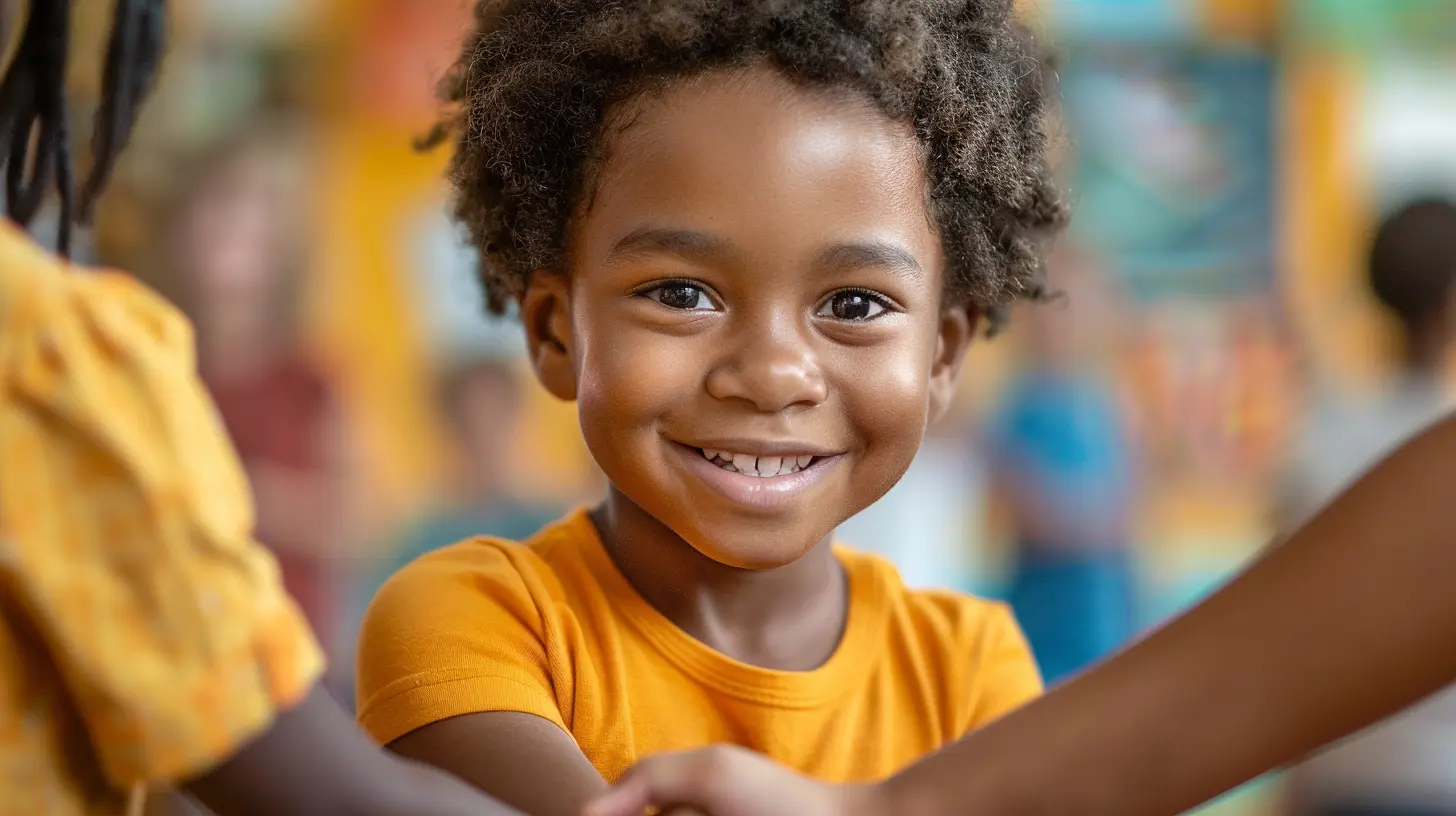
Why Peer Tutoring Works (When Done Right)
Peer tutoring has been around forever, and for good reason. Students often learn better from each other than from traditional instruction alone. Here’s why:- It feels less intimidating
- It's more conversational
- There's a sense of camaraderie
But here’s the catch—not all peer tutoring is effective. Without empathy, it can quickly turn into a one-sided lecture where one student talks and the other zones out. So, what separates a good peer tutoring session from a great one? Yep, you guessed it—empathy.
How Empathy Builds Trust
Let’s be honest: learning is vulnerable. Asking for help means admitting, “I don’t know this.” That takes courage. So, when tutors acknowledge that vulnerability with compassion, trust naturally forms.Imagine this: You’re stuck on a math problem and your peer tutor says, “Hey, I remember struggling with this part too. Don’t worry, we’ll figure it out together.” That feeling? That’s trust.
Empathetic tutors:
- Validate the tutee’s feelings
- Avoid condescending tones
- Share their own struggles to normalize the learning process
And when there's trust, learning thrives. Because let’s face it—no one wants to open up to someone who seems cold or impatient.
The Power of Listening
You can’t be empathetic without being a good listener. Not the nod-and-smile kind of listening, but active listening—the kind where you’re tuned in, focused, and fully engaged.In peer tutoring, active listening allows tutors to pick up on what isn’t being said. Maybe the student is saying, “I don’t get it,” but their body language is screaming, “I’m embarrassed.”
Empathy helps tutors tune into those non-verbal cues. They might say, “Let’s take a quick break and come back to this,” or “Can I explain this a different way?”
Listening deeply allows tutors to offer the right kind of support, not just throw out answers.
Empathy Creates a Safe Space
The classroom can be a pressure cooker—quizzes, assignments, grades, deadlines. Peer tutoring, when done with empathy, becomes an academic safe haven.In this space:
- Mistakes are okay and part of the process
- Questions are encouraged, not judged
- The emotional needs of the learner are prioritized
This kind of environment boosts confidence because students know they can be themselves without fear of ridicule or rejection. Trust me, that emotional safety net? It’s priceless.
Encouraging a Growth Mindset
Empathetic tutors don’t just focus on what the student is learning; they focus on how the student is growing.They’re the ones saying things like:
- “Look how far you’ve come!”
- “You worked so hard on that.”
- “This mistake is just part of learning—don’t stress about it.”
These tiny affirmations are like planting seeds in a garden. Over time, they grow into a sturdy growth mindset—where students start to believe that their abilities can improve with effort. And once that change happens? The sky’s the limit.
Helping Tutors Grow Too
Here’s a plot twist: Empathy doesn’t just benefit the student being tutored. It helps the tutor grow as well.When a tutor practices empathy, they improve:
- Emotional intelligence
- Communication skills
- Leadership and interpersonal abilities
These are life skills that go way beyond the classroom. Whether it’s in future jobs, relationships, or community roles, empathetic people tend to build stronger, more meaningful connections.
Plus, let’s be honest: teaching someone else makes you understand the material better too. Win-win.
Tackling Diversity with Compassion
In today’s classrooms, students come from all kinds of backgrounds—different cultures, languages, learning styles, and personal experiences. Empathy acts as a bridge that connects these differences.An empathetic peer tutor might say:
- “English isn’t your first language? That’s okay, let’s take it slow.”
- “You learn better by doing? Let’s try a hands-on example.”
- “You’re feeling anxious today? Let’s check in first.”
In this way, empathy helps level the learning field. It ensures that no one is left out just because their path looks a little different.
Real-Life Examples of Empathy in Peer Tutoring
Sometimes, stories speak louder than theory. Here are a couple of real-life inspired scenarios that show empathy in action:Maria and Josh
Maria is a peer tutor in science. Josh is a shy freshman who struggles with confidence. On their first session, Josh barely speaks. Instead of pushing him, Maria takes the time to ask about his day and shares how nervous she used to feel too. Slowly, Josh opens up. By the end of the semester, he’s answering questions and even helping others.
Ananya and Lily
Ananya tutors high school math. Lily has dyslexia and feels overwhelmed. Ananya doesn’t just repeat the steps—she draws diagrams, explains visually, and sends follow-up videos. She adapts to Lily’s learning style instead of expecting Lily to adapt to her. That’s empathy in motion.
How to Foster Empathy as a Peer Tutor
Okay, so how can you actually be more empathetic as a tutor? Here are some simple but powerful tips:1. Ask Open-Ended Questions
Instead of “Do you get it?”, try “What part feels confusing?” It encourages honest replies.
2. Put Yourself in Their Shoes
Remember what it felt like when you didn’t understand something? Start from there.
3. Be Patient and Present
Don’t rush. Every student learns at their own pace.
4. Normalize Mistakes
Share your own learning experiences. Make it okay to mess up.
5. Stay Curious
Everyone has a story. Ask about their interests, challenges, and goals.
Final Thoughts
The importance of empathy in peer tutoring relationships? It can’t be overstated. Empathy turns tutoring from a transaction into a transformation. It’s what makes the difference between just “getting by” and genuinely thriving.When tutors lead with empathy, they don’t just teach—they inspire. They don’t just explain facts—they empower learning. It’s a ripple effect where compassion leads to confidence, and confidence leads to excellence.
So, whether you're a student looking to help someone out, or someone receiving help, remember: empathy is your superpower. Use it well.
all images in this post were generated using AI tools
Category:
Peer TutoringAuthor:

Zoe McKay
Discussion
rate this article
1 comments
Xena Perry
Empathy truly strengthens learning and connection.
July 15, 2026 at 2:33 AM
Zoe McKay
Absolutely, empathy fosters deeper understanding and enhances collaboration in tutoring relationships. It makes learning more meaningful.