The Future of Student Engagement in 2027
15 May 2026
Picture this: It's a Tuesday morning in March 2027. A high school student named Maya wakes up, grabs her tablet, and instead of rushing to a physical classroom, she steps into a virtual biology lab where she's dissecting a holographic frog. Her AI tutor, named "Echo," notices she's struggling with the circulatory system, so it pauses the lesson and offers a quick, personalized animation that shows blood flow in real time. Maya doesn't feel bored. She feels curious, even excited. She's not just consuming information-she's part of the lesson.
This isn't science fiction. It's the future of student engagement, and it's arriving faster than most of us realize. By 2027, the way students connect with learning will look radically different from what we see today. No more rows of desks, no more one-size-fits-all lectures, and definitely no more "sit still and listen" routines. Instead, engagement will be fluid, personal, and deeply human-even when technology drives it. Let's dive into what that really means.

Why "Engagement" Is Broken Right Now
Let's be honest: For decades, we've treated student engagement like a light switch. Flip it on, and kids pay attention. Flip it off, and they zone out. But that's a myth. Real engagement isn't binary. It's a messy, emotional, and cognitive process. You can't force a teenager to care about quadratic equations just by telling them it's important for the test. You have to make them feel something-curiosity, frustration, triumph, or even awe.Right now, most classrooms rely on extrinsic motivators: grades, gold stars, or fear of punishment. But by 2027, that approach will feel as outdated as a chalkboard. Why? Because students have already changed. They live in a world of instant feedback, personalized feeds, and dopamine-driven apps. School, for many, feels like a slow-loading website in a high-speed era. To win back their attention, we need to rethink the entire experience.
The Shift from Passive to Active Learning
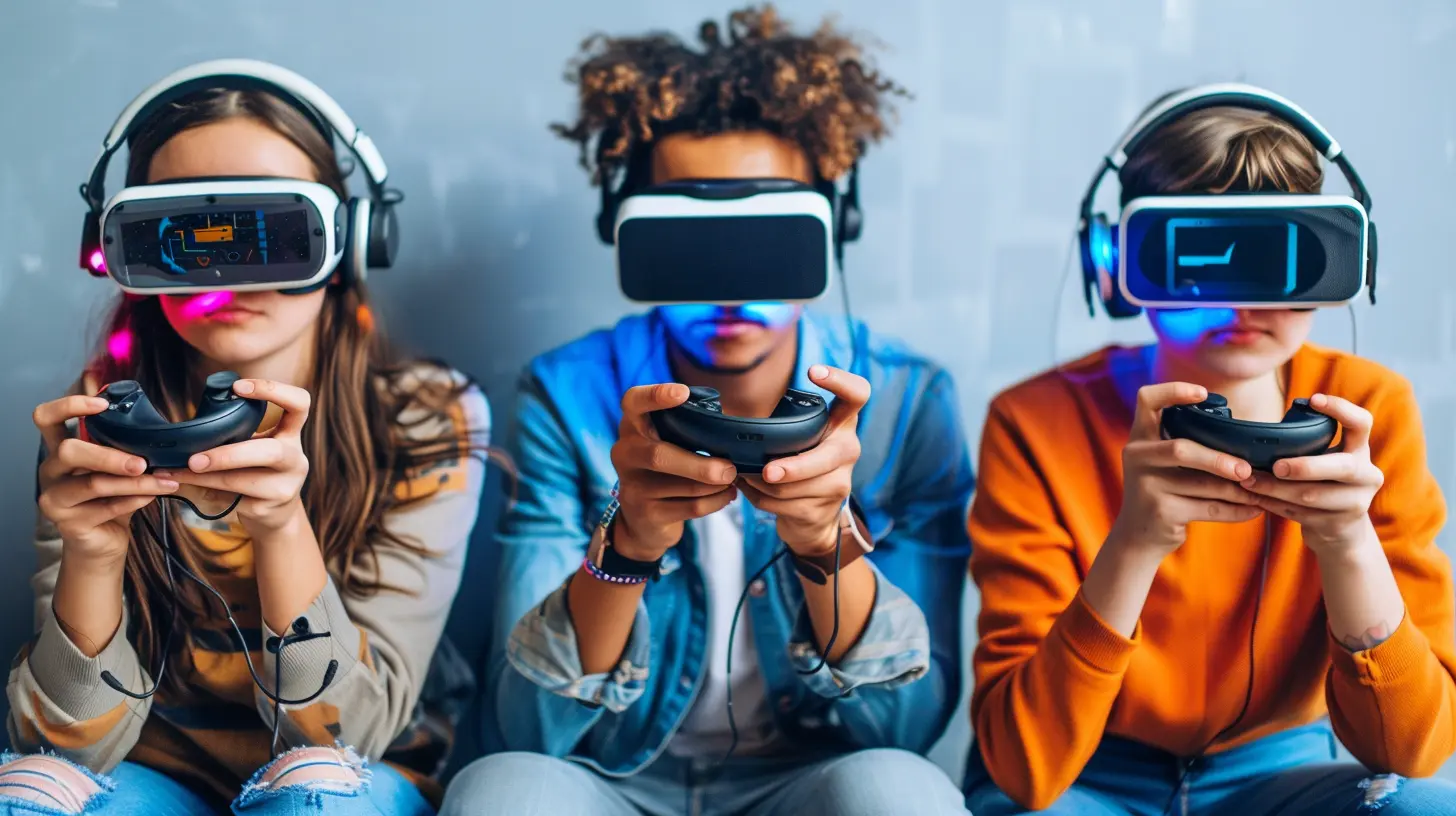
The biggest change coming in 2027 is the death of passive learning. You know the drill: teacher talks, student listens, student forgets. That model is dying. Instead, engagement will be built around doing. Think project-based learning on steroids. Students won't just read about climate change-they'll simulate it in a sandbox environment. They won't just memorize historical dates-they'll step into a VR recreation of the Berlin Wall falling.This shift isn't just about cool gadgets. It's about ownership. When a student builds something, solves a problem, or creates a digital artifact, they own that knowledge. It sticks. By 2027, classrooms will look more like makerspaces, design studios, or collaborative hubs. The teacher's role? Not the sage on the stage, but the guide on the side-someone who asks the right questions, not someone who has all the answers.
AI as the Ultimate Wingman, Not the Replacement
I hear the worry: "Will AI replace teachers?" No. But it will amplify them. By 2027, AI will be the ultimate teaching assistant-always available, never tired, and infinitely patient. Imagine a system that tracks every student's micro-expressions during a lesson. If Maya's eyes glaze over during a math problem, the AI detects it and offers a different approach: a game, a visual, or a metaphor she can relate to. It's like having a coach who knows exactly when to push and when to ease up.But here's the catch: AI alone can't inspire. It can't tell a story that makes you cry or laugh. It can't model vulnerability or passion. That's where human teachers step in. The best engagement in 2027 will come from a partnership: AI handles the data, the personalization, and the repetitive tasks, while teachers focus on connection, creativity, and meaning. Think of it like a pilot and autopilot. The machine handles the routine, but the human makes the critical decisions.
Gamification Gets Real (Finally)
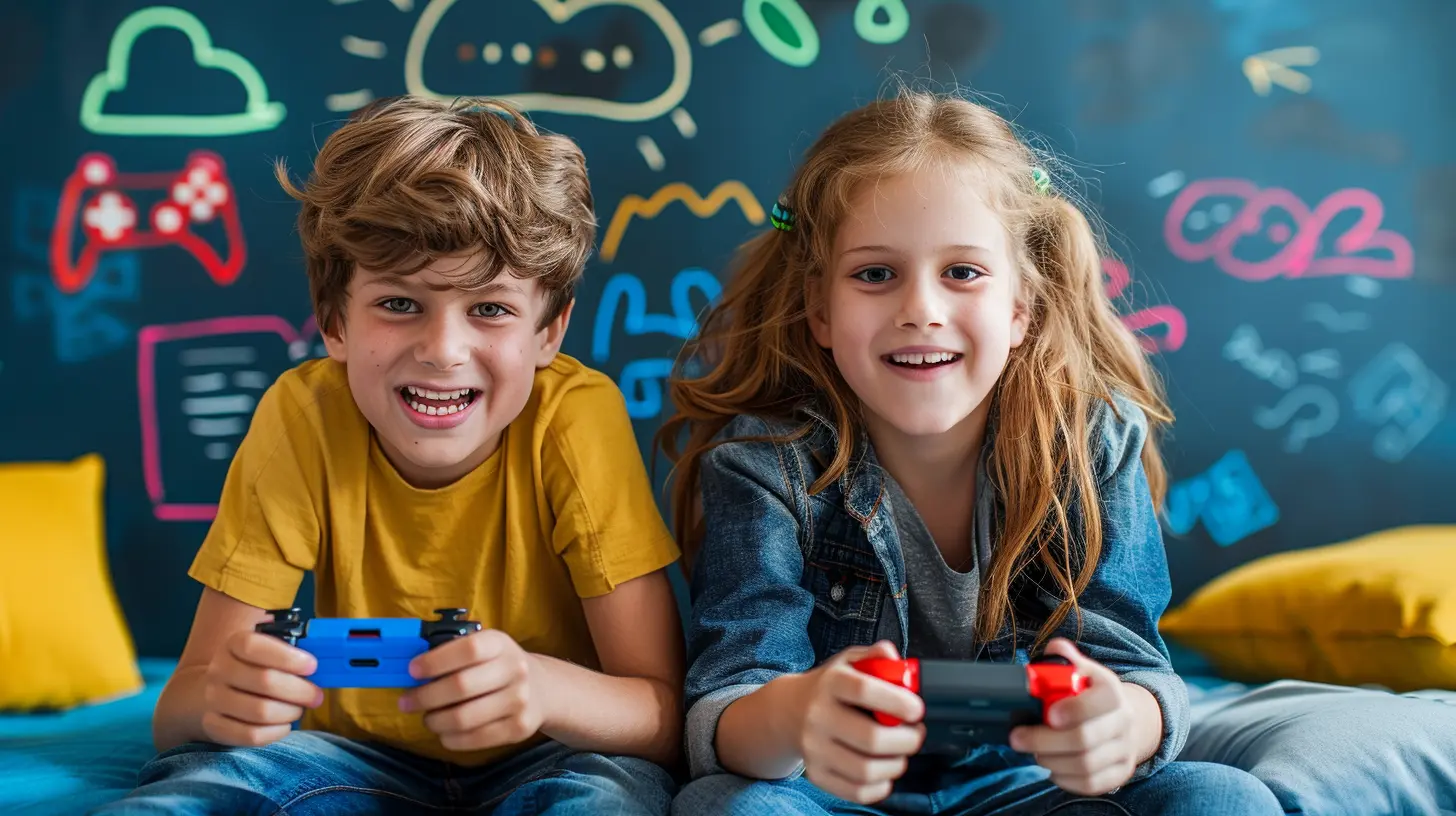
Gamification has been a buzzword for years, but let's face it: most attempts have been shallow. Slapping a leaderboard on a quiz isn't gamification-it's just a scoreboard. By 2027, we'll see gamification that actually respects how humans learn. We're talking about narrative-driven quests, where students level up by mastering skills, not just by getting points. We're talking about failure as a feature, not a bug. In a well-designed game, you die and respawn. You try again. You learn from mistakes.In the classroom of 2027, a student might fail a physics simulation three times before they get it right. But instead of feeling defeated, they'll feel motivated-because the system rewards effort, not just success. That's the secret sauce. Real engagement happens when students feel safe to struggle. When they know that a wrong answer is just a step toward the right one. Gamification, done right, turns learning into an adventure, not a chore.
The Rise of Social and Emotional Learning (SEL) as a Core Driver
Here's a truth we often ignore: You can't engage a student who's anxious, lonely, or overwhelmed. Academic engagement doesn't exist in a vacuum. By 2027, schools will finally embrace that emotional well-being is the foundation of learning. Social and emotional learning (SEL) won't be a separate class or a once-a-week activity. It will be woven into every lesson.Imagine a history class where students don't just analyze wars-they role-play peace negotiations. They practice empathy by stepping into the shoes of people from different cultures. They learn to regulate their own emotions before tackling a tough problem. This isn't fluff. It's brain science. When students feel safe, seen, and supported, their brains are primed to learn. Engagement follows naturally.
The Death of the Bell Schedule
Let's talk about time. Right now, we chop learning into 45-minute blocks, as if knowledge can be sliced like a loaf of bread. But the brain doesn't work that way. A student might be deeply focused on a coding project when the bell rings, forcing them to switch to English class. By 2027, that rigid schedule will start to crumble. We'll see more flexible timetables, where students can dive deep into a topic for hours, then take a break, then come back.This mirrors how we actually work as adults. When you're in the zone, you don't stop because a timer goes off. You ride the wave. Schools will adopt "flow-based" scheduling, where learning blocks are based on student readiness, not arbitrary clock times. It sounds chaotic, but with AI tracking progress and teachers facilitating, it's actually more efficient. Engagement thrives when you respect the natural rhythm of attention.
The Classroom Without Walls
By 2027, the idea of a "classroom" will be almost metaphorical. Sure, there will be physical spaces-maybe with modular furniture, green walls, and quiet pods. But the real learning will happen everywhere. Students will collaborate with peers in Tokyo, interview experts in Nairobi, or explore the Great Barrier Reef via underwater drones. The internet isn't just a tool anymore-it's the classroom itself.This changes everything. When a student can talk to a climate scientist in real time, or see a 3D model of a Roman aqueduct superimposed on their living room floor, engagement skyrockets. Why? Because it's real. It's not abstract. It's happening now. The future of student engagement is about breaking down the walls between school and the world. No more "when will I ever use this?" Instead, students will see the connection between their learning and their lives every single day.
The Teacher as a Designer of Experiences
Here's a big shift: By 2027, teachers will be less like lecturers and more like experience designers. They'll spend their time crafting lessons that are immersive, interactive, and adaptive. Instead of writing a lesson plan, they'll build a learning journey. They'll ask questions like: "How can I make this topic feel urgent?" or "What emotion do I want students to feel when they walk out?"This requires a new set of skills. Teachers will need to understand game design, storytelling, and even user experience (UX) principles. They'll learn to prototype, test, and iterate. But here's the good news: technology will handle the heavy lifting. AI can generate quizzes, grade assignments, and even suggest activities. That frees teachers to focus on the human stuff: inspiring curiosity, building relationships, and sparking wonder.
Data Privacy and the Trust Factor
I can't talk about 2027 without addressing the elephant in the room: data. With AI tracking every click, every pause, and every facial expression, we're walking a tightrope. On one hand, this data can personalize learning like never before. On the other hand, it's a privacy nightmare. By 2027, schools will need ironclad policies to protect student information. But more importantly, they'll need to build trust.Students won't engage with a system that feels like a surveillance tool. They'll disengage, or worse, they'll game the system. The key is transparency. If a student knows that their data is used only to help them learn better, and that they have control over it, they'll opt in. But if it feels like Big Brother, they'll check out. The future of engagement depends on a delicate balance: personalization without invasion.
What About the Digital Divide?
Let's get real for a second. All these futuristic ideas sound amazing if you have a fast internet connection, a decent device, and a supportive home environment. But what about students who don't? By 2027, the digital divide could widen unless we actively close it. This isn't just a tech problem-it's a justice problem.Schools and governments will need to invest in infrastructure, yes. But also in training. A student in a rural area with a low-end tablet can still engage deeply if the content is designed for low bandwidth and if they have a teacher who knows how to adapt. The future isn't about the fanciest tools. It's about equitable access to meaningful learning experiences. Engagement without equity is just privilege dressed up as innovation.
A Day in the Life: 2027 Edition
Let me paint you a picture. It's 2027. A student named Alex logs into his learning platform. His AI assistant, "Nova," greets him with a quick check-in: "How are you feeling today, Alex?" Alex says "tired," so Nova suggests a five-minute breathing exercise before starting. Then, based on yesterday's performance in algebra, Nova recommends a short video on exponents, followed by a puzzle game that adapts in difficulty.After that, Alex joins a live session with his teacher, Ms. Chen, who is facilitating a debate on renewable energy. Half the class is in VR, standing in a simulated wind farm. The other half is in the physical classroom, using tablets. Ms. Chen moves between groups, asking probing questions, not giving answers. By the end of the session, Alex has built a small solar panel model in a virtual lab. He didn't just learn about energy-he made it.
Later, Alex works on a group project with a student in Brazil and another in Kenya. They use a shared digital whiteboard, chatting via voice. The project is to design a sustainable city. Alex handles the transportation system, while his partner in Brazil focuses on water management. The AI flags a conflict in their designs-the water system doesn't align with the transport grid. They brainstorm, argue, and eventually compromise. That's engagement. That's learning.
The Bottom Line: It's Still About Connection
Here's the thing I want you to walk away with: All the tech in the world-AI, VR, gamification-is just a tool. The real engine of engagement is human connection. A student who feels seen, heard, and valued will engage. A student who feels ignored, judged, or bored will check out. That's been true since the first classroom, and it will be true in 2027.The future isn't about replacing teachers with algorithms. It's about giving teachers superpowers. It's about creating environments where curiosity is the norm, not the exception. It's about designing schools that feel less like factories and more like living ecosystems. And it's about remembering that every student is unique-not a data point, but a person with dreams, fears, and a burning need to matter.
So, ask yourself: Are we ready? Not just for the technology, but for the mindset shift? Because the future of student engagement in 2027 isn't something that happens to us. It's something we build, together, one lesson at a time.
all images in this post were generated using AI tools
Category:
Class ParticipationAuthor:

Zoe McKay
Discussion
rate this article
2 comments
Skyler Simon
As we peek into 2027, the landscape of student engagement will shift in unexpected ways, driven by technology and new ideas... What will the classroom look like?
August 24, 2026 at 12:03 PM
Zoe McKay
In 2027, classrooms will likely blend virtual and physical spaces, fostering collaboration and personalized learning. Technology will empower students to engage actively, reshaping how we teach and learn.
Sofia Jones
Imagine a classroom where holographic dinosaurs debate Shakespeare while students sip coffee from smart mugs that predict their moods. In 2027, engagement could be as wild and whimsical as our imaginations. Let's hope teachers can keep up with the fun... and the caffeine!
May 31, 2026 at 3:27 AM
Zoe McKay
That sounds like a fantastic vision for learning! Blending creativity with technology could truly transform student engagement. Here's to a future where imagination leads the way!