The Benefits of Peer Learning in Virtual Classrooms
23 February 2026
Online classes… love 'em or hate 'em, they’re not going anywhere anytime soon. Ever since virtual learning became the new norm (thanks, 2020), students and teachers worldwide have had to rethink how education works. And here’s where peer learning swoops in like a superhero with a laptop — to save the day from boring Zoom lectures and ghosted discussion threads.
So grab your favorite snack, cozy up, and let’s chat about why peer learning in virtual classrooms might just be the secret sauce to spicing up online education.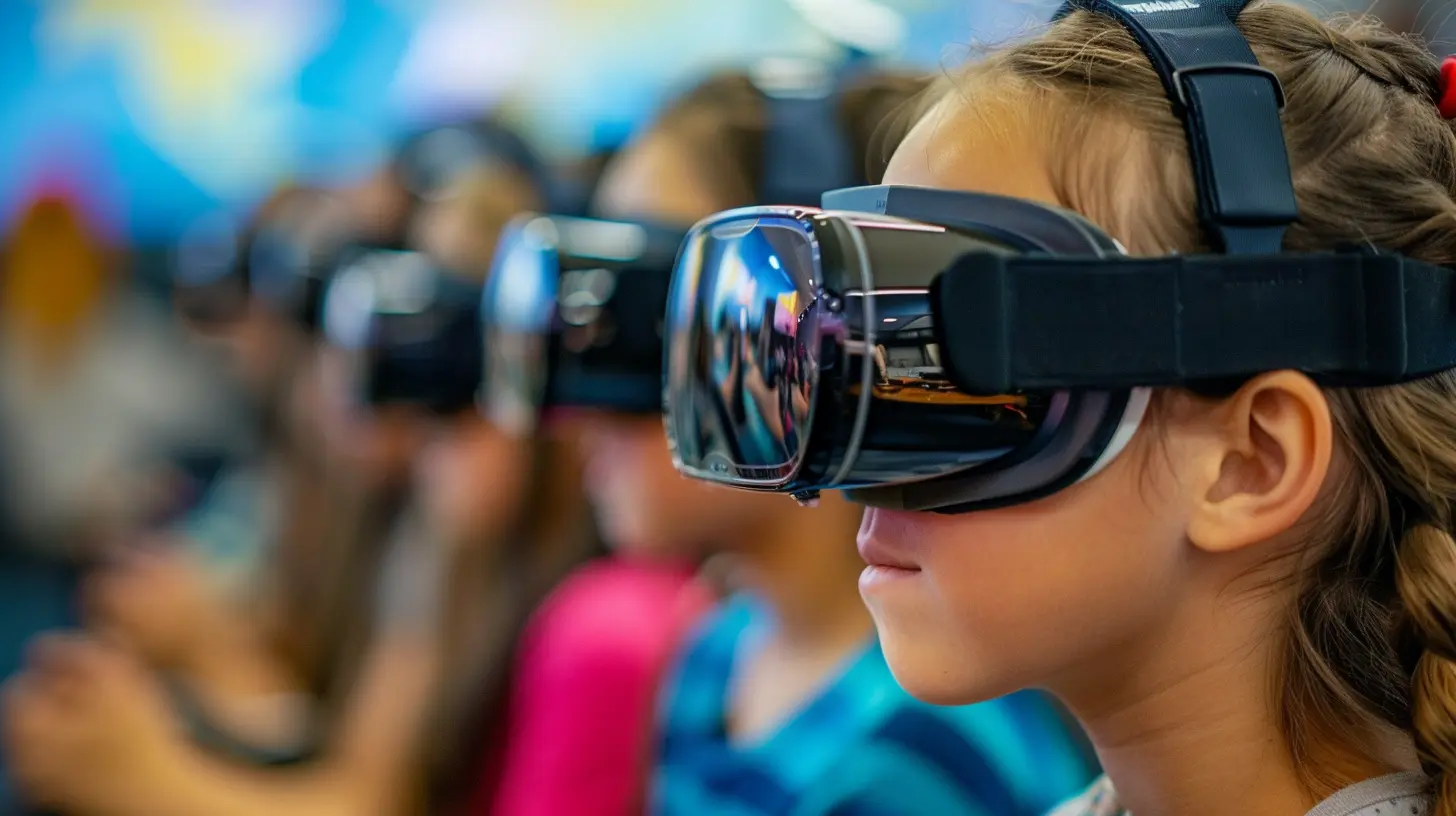
What Exactly Is Peer Learning?
Alright, before we dive into the deep end, let’s clear up what we mean by peer learning.In simple terms, peer learning is when students teach and learn from each other. It’s like study buddies gone professional. Instead of relying solely on a professor to dump knowledge into your brain, you collaborate, discuss, debate, and figure things out together.
Think of it like assembling Ikea furniture. You could do it solo, but it’s way easier (and less rage-inducing) when your roommate helps figure out those cryptic instructions. Same vibe.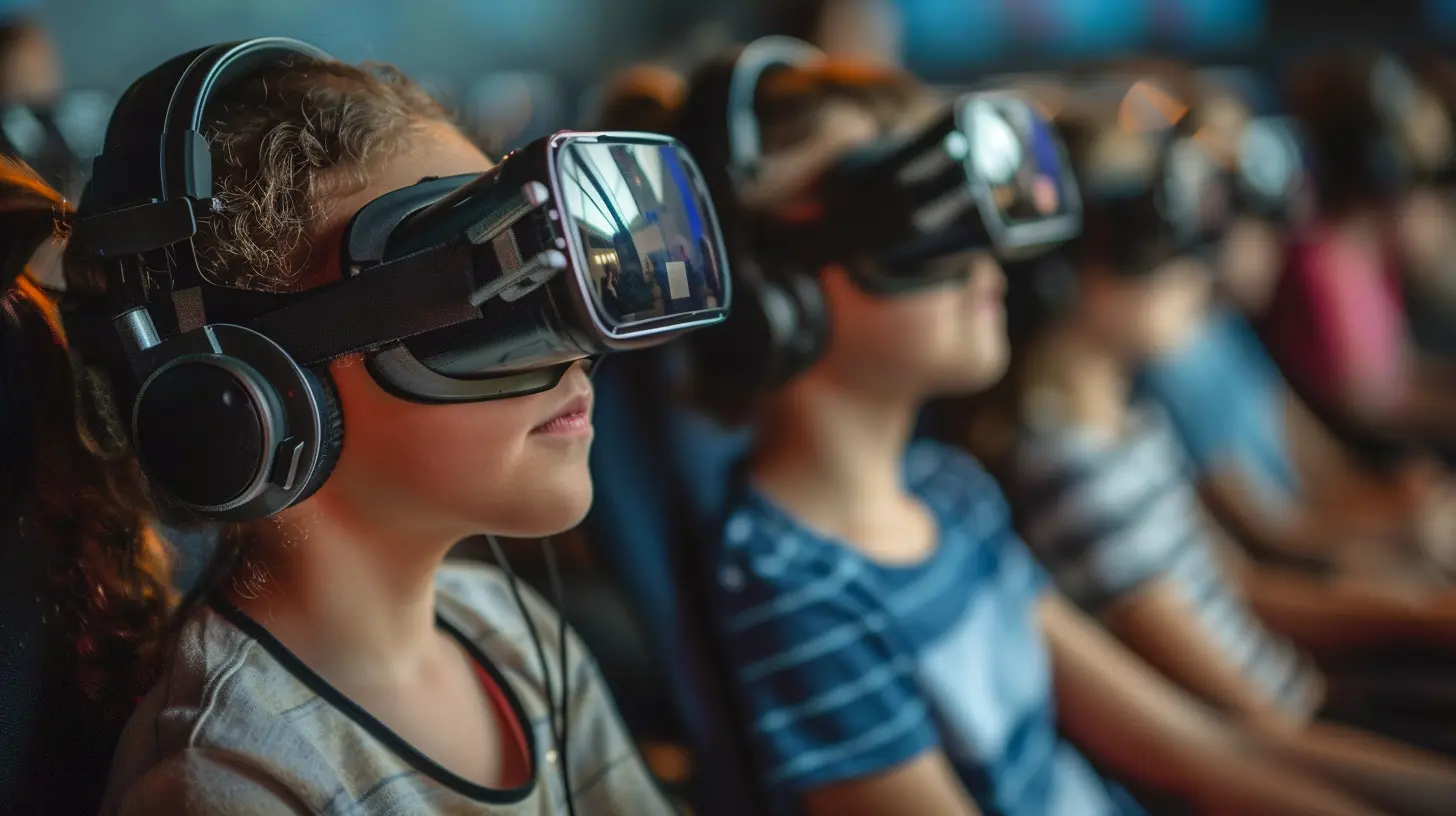
Why Peer Learning Works (Even When You're in Pajamas)
Let’s talk virtual learning. It can be… lonely. You’re sitting there staring at a screen, unsure if anyone else is confused or if it’s just you. (Spoiler: It’s never just you.)Peer learning cuts through all that awkward silence. Here’s how it helps:
1. Learning From Different Perspectives
Ever heard someone explain a concept and suddenly it just clicks? That’s the magic of hearing it from a peer.Professors might speak in “textbook-ese,” but a fellow student who just wrapped their head around the same topic can rephrase it in a way that hits home. It’s like getting tech support from your grandma vs. your younger cousin — one ends in frustration, the other in success.
2. Boosted Engagement (Say Goodbye to the Snooze Button)
We’ve all mentally checked out during a two-hour lecture at some point. But when you’re actively discussing topics with classmates, something strange happens — you stay awake. Not only that, you’re curious. You ask questions. You challenge ideas.Peer learning makes you part of the conversation, not just a passive zombie trying to take notes.
3. Better Retention (Because Talking > Cramming)
You know what sticks better than rereading the same paragraph 14 times? Talking about it with someone else.Explaining concepts to peers helps consolidate your knowledge. It’s called the “protégé effect” — basically, you learn better when you teach. So when you're helping your classmate understand the Pythagorean theorem, guess what? You’re also helping yourself.
4. Teamwork Makes the Dream Work
Working with peers builds collaboration skills. And let’s face it, group projects may be the bane of every student’s existence — but they’re lowkey prepping us for real-world teamwork.In virtual classrooms, peer learning fosters accountability, communication, and problem-solving. It’s not just academic growth, it’s personal growth (cue motivational background music).
The Virtual Twist: Peer Learning Online
Okay, you’re sold on peer learning. But how does it actually work in a virtual setting?It’s not like you can pass notes or whisper in class anymore, right?
True. But virtual learning has some cool tricks up its sleeve. Here’s how you can peer-power-up online:
1. Breakout Rooms = Modern Study Circles
Zoom breakout rooms might feel awkward at first (especially if your camera is off and there's radio silence), but when done right, they’re gold.Teachers can group students to solve problems, debate concepts, or work on projects. With a little ice-breaking, breakout rooms can become mini support pods full of encouragement and “aha!” moments.
2. Discussion Boards That Don’t Put You to Sleep
Online forums can sound like the digital equivalent of a ghost town, but when students actually engage? Magic.Posting questions, responding to peers, sharing resources — it all contributes to deeper learning. Plus, if you're shy about speaking up in live sessions, forums give you time to think before you type. No pressure, no rush.
3. Peer Review: More Than Just Finding Typos
Peer reviewing each other’s work isn’t just about playing grammar cop. It helps you think critically — both about your classmates' work and your own.You get ideas, you see different approaches, and sometimes you realize your brilliant essay maybe isn’t quite so brilliant (but that’s okay — growth, baby!).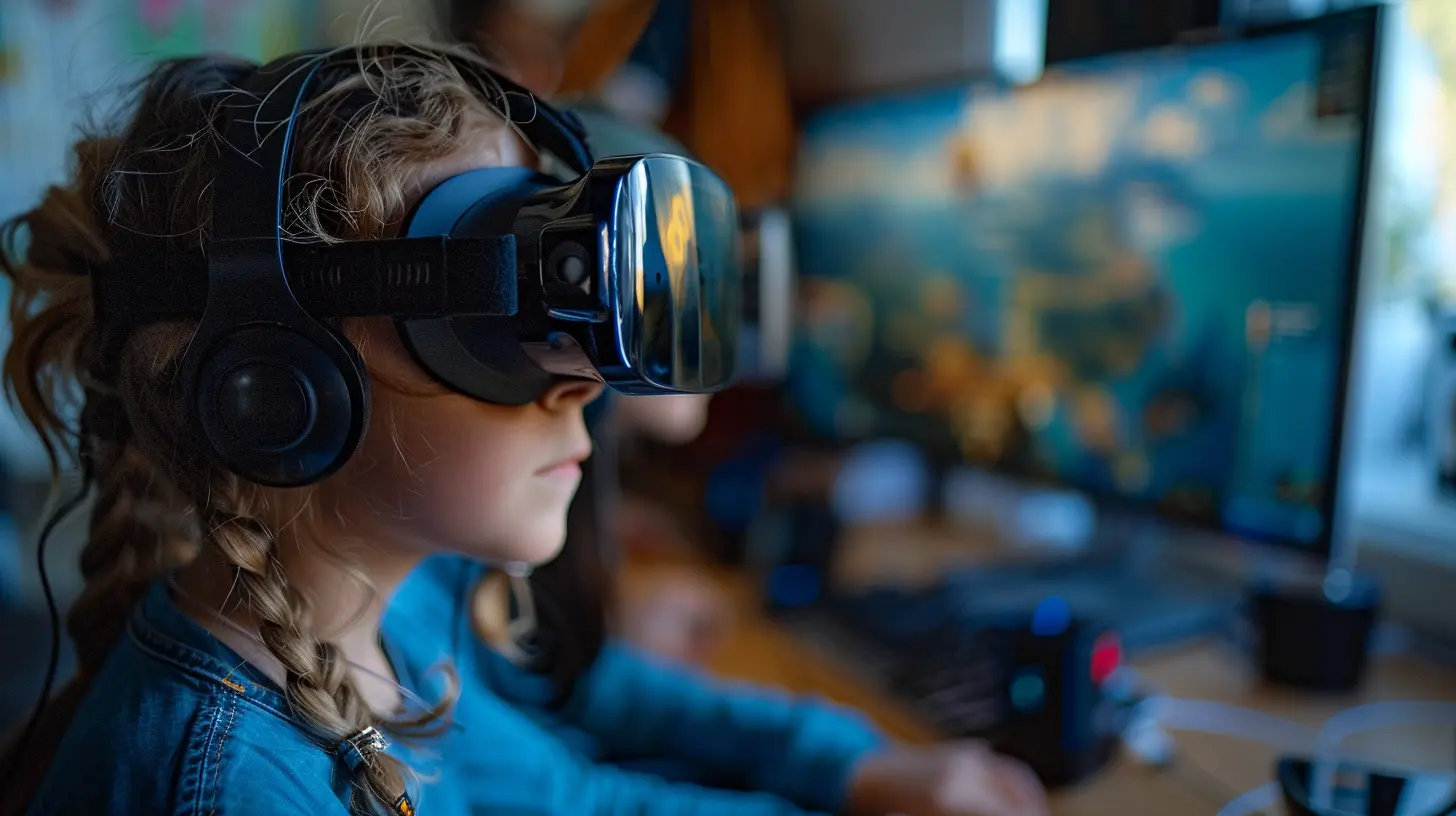
Perks Beyond the Classroom
The benefits of peer learning don’t end when class does. In fact, some of the biggest wins are skills you’ll carry way beyond the digital classroom.1. Stronger Communication Skills
Working with peers sharpens your ability to express yourself clearly. Whether it’s through writing, video calls, or the occasional meme-filled group chat — you're learning how to communicate.Major life skill? Check.
2. Confidence, Unlocked
Helping someone understand a tough topic doesn't just make you feel good — it boosts your confidence. Suddenly, you see yourself not just as a learner, but as someone capable of teaching.That’s a powerful shift.
3. Building Real Connections
Let’s be honest — making friends in virtual classes can feel harder than choosing what to watch on Netflix. But peer learning forces interaction in the best way.You're not just classmates. You're teammates. And yes, some of those collab partners might become lifelong friends (or at least reliable study buddies).
Tips to Make Peer Learning Actually Work (Because We’ve All Been in That Group Project)
If your past group work experiences have left you twitching, don’t worry — there’s a better way. Here’s how to make sure your peer learning game is strong:✅ Set Clear Goals
Nobody wants to sit in a Zoom room wondering what they’re supposed to do. Agree on objectives ahead of time. Divide responsibilities so everyone’s on the same page.✅ Be Respectful (Even When Disagreeing)
Healthy debates? Awesome. Personal attacks? Not so much. Remember, you’re all in this together — High School Musical style.✅ Don’t Be a Ghost
If you commit to a group, show up. Contribute. Ghosting your peers doesn’t just hurt the group — it hurts your own learning too.✅ Use Tools That Keep You Connected
Slack, WhatsApp, Google Docs, Trello — there are tons of tools to help you collaborate easily. Find what works for your team and stick with it.Real Talk: The Challenges of Peer Learning (And How to Beat Them)
Not everything is sunshine and virtual group hugs. Peer learning has a few bumps in the road — especially online.Let’s address them like the digital warriors we are.
⚠️ Uneven Participation
There’s always that one person who does everything… and that other person who does, um, nothing.How to fix it: Assign roles up front. Spread the workload evenly. Hold each other accountable, and don’t be afraid to speak up (politely).
⚠️ Miscommunication
Messages can get lost in translation when you’re typing instead of talking.How to fix it: Be clear. Avoid sarcasm that could be misunderstood. When in doubt, hop on a quick video call — it clears things up fast.
⚠️ Time Zone Tango
Virtual classrooms often mean global classmates. That’s awesome — but scheduling meetings? Nightmare.How to fix it: Use tools like Doodle or Time Zone Converter to find common meeting times. Also, embrace asynchronous collaboration when needed.
Teachers: Here's How You Can Encourage Peer Learning
If you’re on the teaching side of things — hey, this one’s for you!Want more engaged students? Try these tips to foster a peer-learning-friendly environment:
- Design group tasks that require real collaboration, not just dividing and conquering.
- Set expectations early so students know how to interact respectfully and supportively.
- Create safe spaces where students feel comfortable sharing ideas — even the wrong ones.
- Provide scaffolding in the beginning, then slowly give students more autonomy.
Remember, peer learning doesn’t mean teachers take a back seat — it means they become facilitators of deeper, student-driven discovery.
Wrapping It Up (You Made It to the End!)
At the end of the day, peer learning in virtual classrooms isn’t just a trend. It’s a way to make online education more human, more interactive, and — dare we say it — more fun.It’s about classmates becoming co-pilots in the learning journey. It’s about realizing that you’ve got something valuable to contribute, even while wearing fuzzy socks and sipping coffee from a novelty mug.
So the next time you log into your virtual class, remember: your peers aren’t just names on a screen. They might be your next great teachers — and you might be theirs.
Now, go forth and peer learn like a pro.
all images in this post were generated using AI tools
Category:
Virtual ClassroomsAuthor:

Zoe McKay
Discussion
rate this article
2 comments
Julia Howard
Peer learning in virtual classrooms: where we master the art of asking, 'Can you see my screen?' and 'Did you mute yourself again?' It's like group therapy, but with slightly less crying and a lot more shared snacks—if only we could share them virtually too!
April 2, 2026 at 3:40 AM
Zoe McKay
Thank you for the humorous take! Peer learning in virtual classrooms truly fosters connection and collaboration, even if we can't share snacks. Your comment captures the spirit of adaptability we all need!
Layne Cole
Great insights on peer learning! Emphasizing collaboration in virtual classrooms truly enhances engagement and deepens understanding among students. Thank you for sharing!
February 23, 2026 at 6:00 AM
Zoe McKay
Thank you for your kind words! I'm glad you found the insights valuable. Collaboration is indeed key to enhancing engagement in virtual learning.