Teaching Hygiene and Disease Prevention in Schools
19 July 2026
Good hygiene is like a superhero cape—it protects us from germs and keeps us healthy. But let’s be real, kids don’t always prioritize washing their hands or covering their sneezes. That’s where schools come in! Teaching hygiene and disease prevention in schools is one of the most effective ways to keep students, teachers, and the entire community healthy.
From proper handwashing to understanding how diseases spread, hygiene education doesn't just prevent illness; it also helps kids develop habits that last a lifetime. Let’s dive into why this is so important and how schools can make hygiene education engaging and effective.
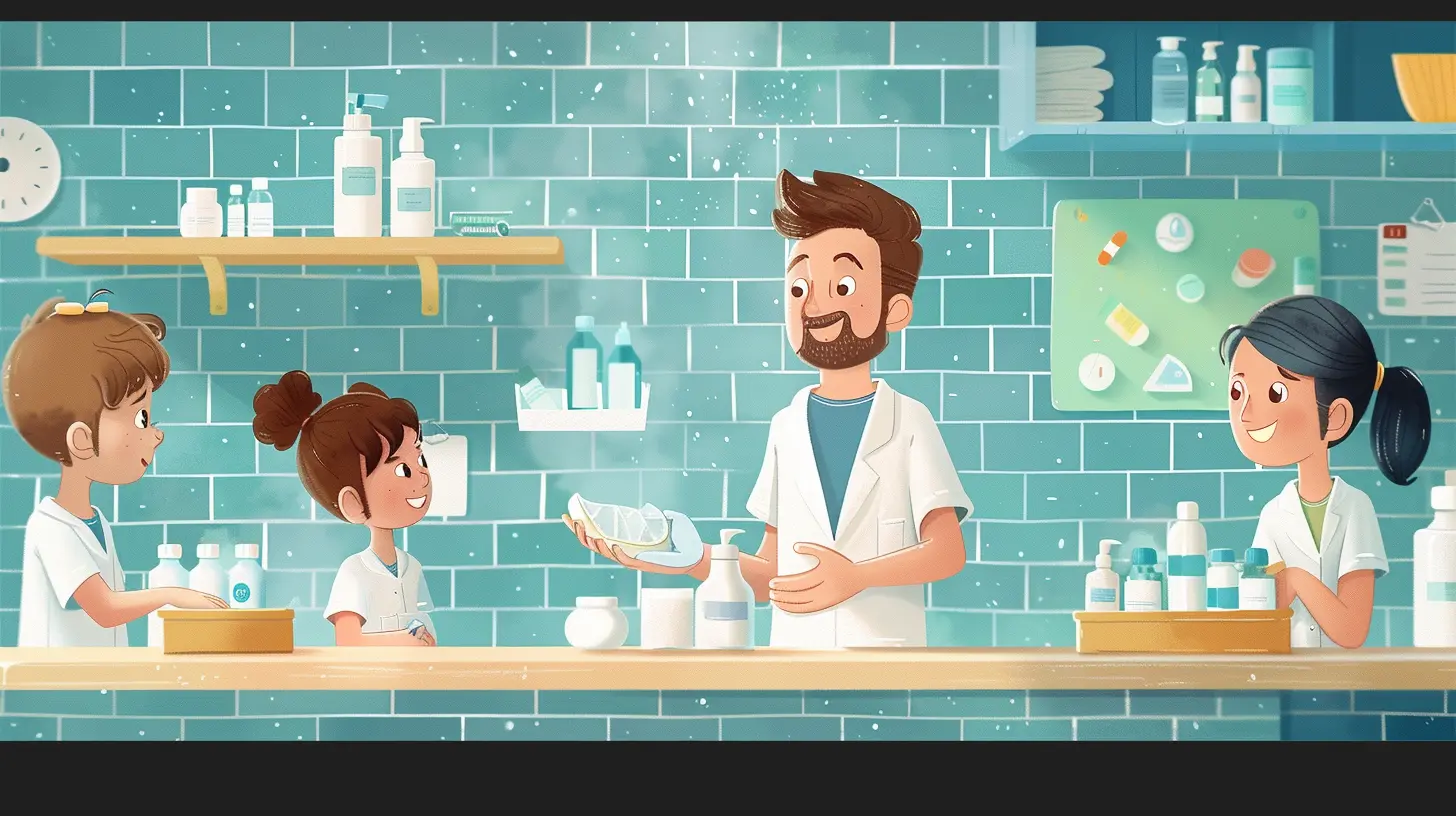
Why Hygiene and Disease Prevention Matter
Imagine a classroom where students are constantly sneezing, coughing, and sharing supplies. Without proper hygiene, germs spread like wildfire. When kids miss school due to illness, they fall behind in their studies. And let’s not forget teachers—they're exposed to these germs daily, which means frequent sick days for them too.By emphasizing hygiene in schools, we’re not just keeping kids healthy; we’re creating a learning environment where everyone can thrive. Proper hygiene habits reduce the spread of diseases, lower absenteeism, and even boost students' confidence. After all, no one wants to be the kid known for bad hygiene! 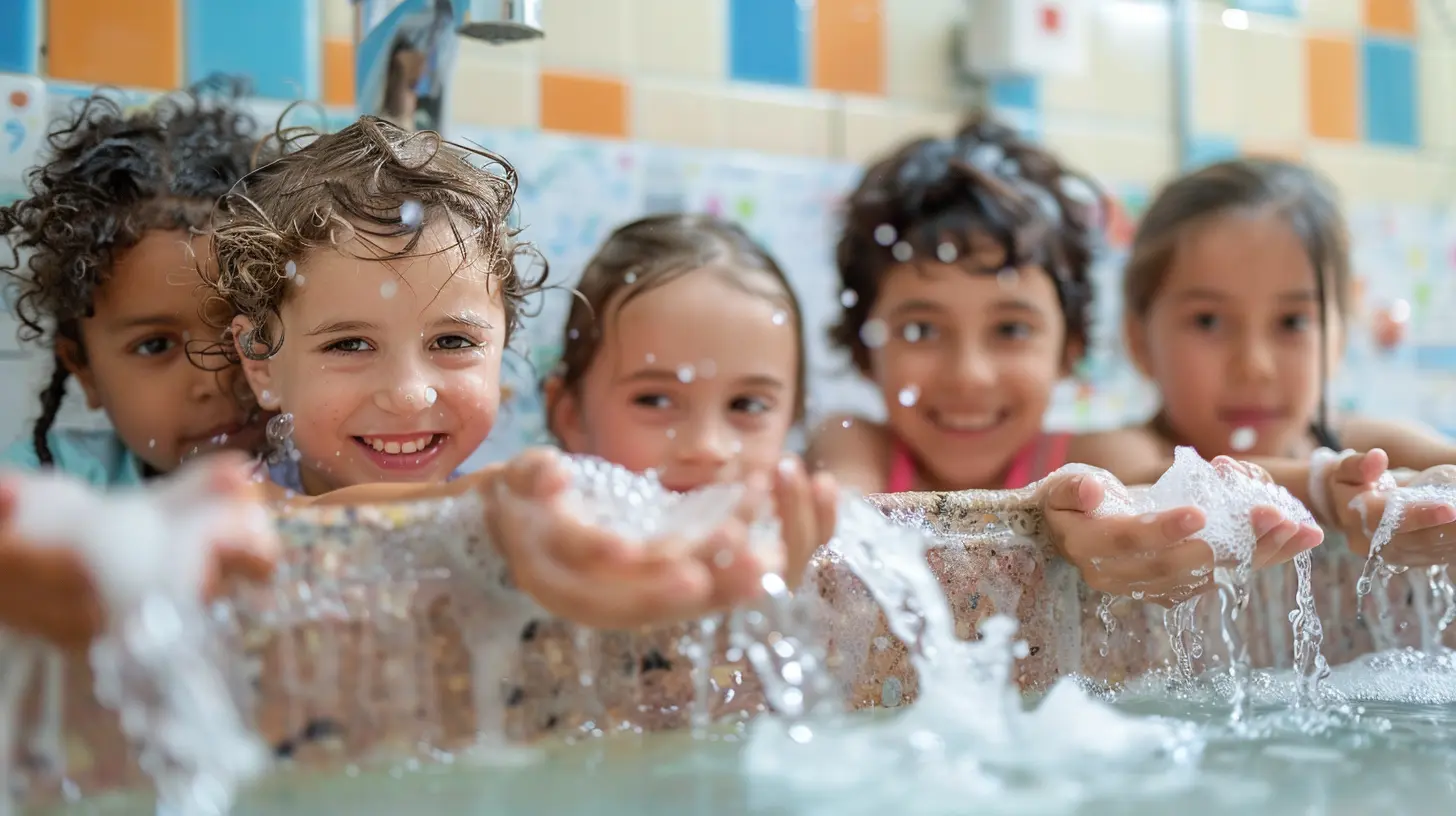
Essential Hygiene Practices Every Student Should Learn
So, what exactly should schools teach kids about hygiene? Here are some essential practices that should be part of every school’s curriculum:1. Handwashing: The First Line of Defense
Handwashing is like a secret weapon against germs. Teaching kids to wash their hands properly and frequently can significantly reduce the spread of illnesses. Schools should emphasize:- Washing hands before eating, after using the restroom, after coughing/sneezing, and after touching shared surfaces.
- Using soap and scrubbing for at least 20 seconds (singing "Happy Birthday" twice is a great trick!).
- Drying hands properly—because wet hands spread germs faster than dry ones.
2. Coughing and Sneezing Etiquette
Ever seen a kid sneeze into their hands and then touch everything around them? Yikes! Teaching kids the right way to handle coughs and sneezes is crucial:- Use a tissue or sneeze into the elbow (a.k.a. the "vampire cough" technique).
- Dispose of tissues properly and wash hands afterward.
- Keep distance from others when feeling unwell.
3. Personal Hygiene Habits
Good personal hygiene isn’t just about keeping germs away—it also helps kids feel clean and confident. Schools should teach:- The importance of daily bathing and changing into clean clothes.
- Proper oral hygiene—brushing twice a day and flossing.
- Keeping nails trimmed and clean to avoid dirt and bacteria buildup.
4. Keeping Shared Spaces Clean
Germs love to hang out on desks, door handles, and classroom supplies. Schools should encourage students to:- Wipe down desks and shared items regularly.
- Avoid sharing personal items like water bottles, lip balm, and utensils.
- Be mindful of keeping classrooms and restrooms clean. 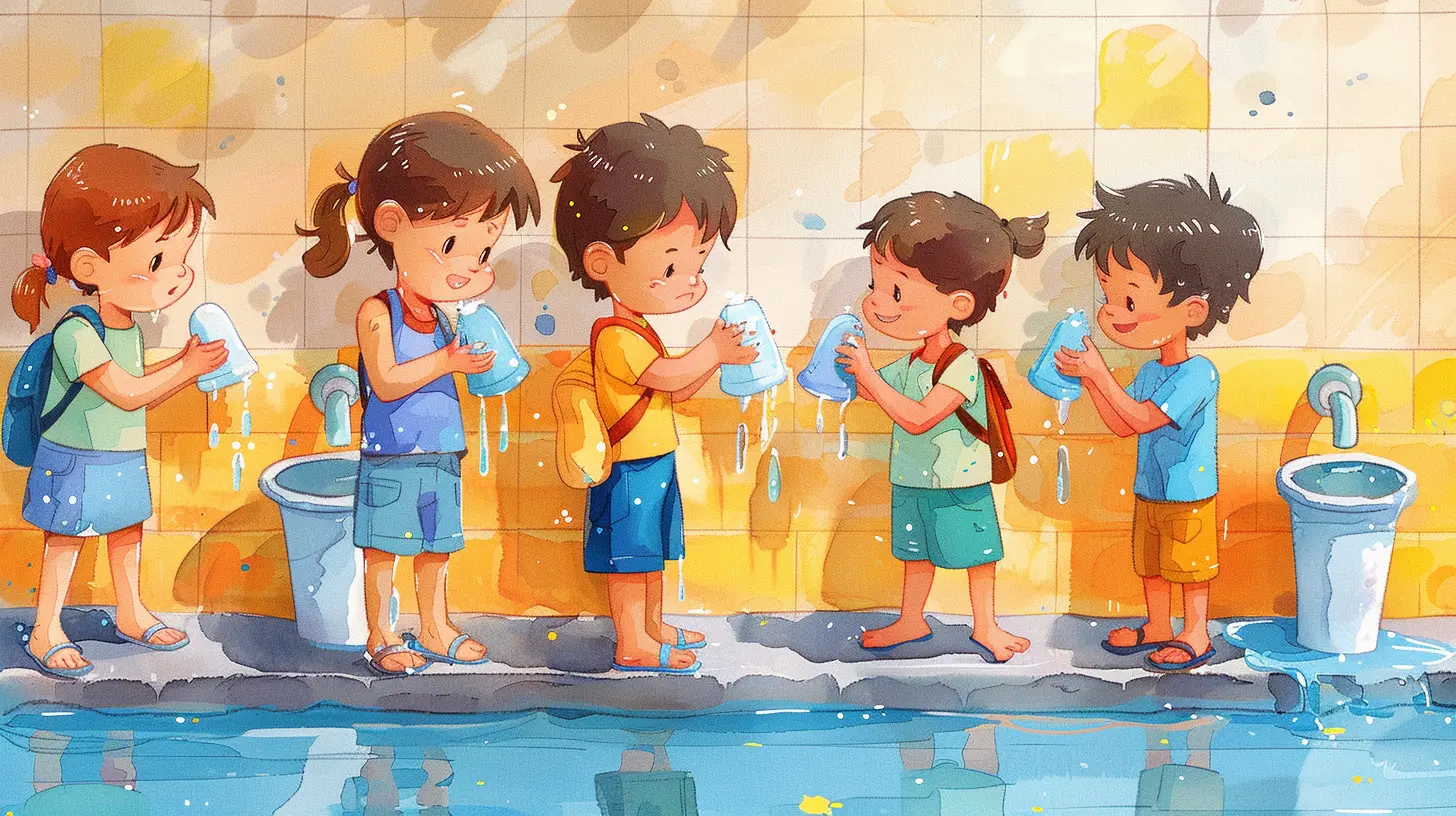
How Schools Can Make Hygiene Fun and Engaging
Let’s face it—hygiene lessons can be a little boring if they’re just lectures. But with the right approach, schools can turn them into something kids actually enjoy. Here’s how:1. Interactive Handwashing Stations
Why not turn handwashing into an experiment? Schools can use glow-in-the-dark germ lotion to show kids how well (or not-so-well) they’re washing their hands. This visual can be a game-changer in teaching proper technique.2. Hygiene-Themed Games and Challenges
Kids love competitions! Schools can set up weekly hygiene challenges, like:- Who can remember to wash their hands the most times a day?
- A classroom poster contest promoting hygiene tips.
- Reward systems for students who consistently follow hygiene best practices.
3. Storytelling and Role-Playing
Storytelling is one of the best ways to teach children important lessons. Schools can create fun stories or skits where germs are the villains and hygiene habits are the heroes. Role-playing activities can also help younger kids understand hygiene concepts in a fun and memorable way.4. Incorporating Technology
Why not use technology to make hygiene education even more engaging? Schools can:- Show fun educational videos on germs and hygiene.
- Use apps and digital quizzes to test students’ knowledge.
- Create animated short stories that highlight hygiene habits. 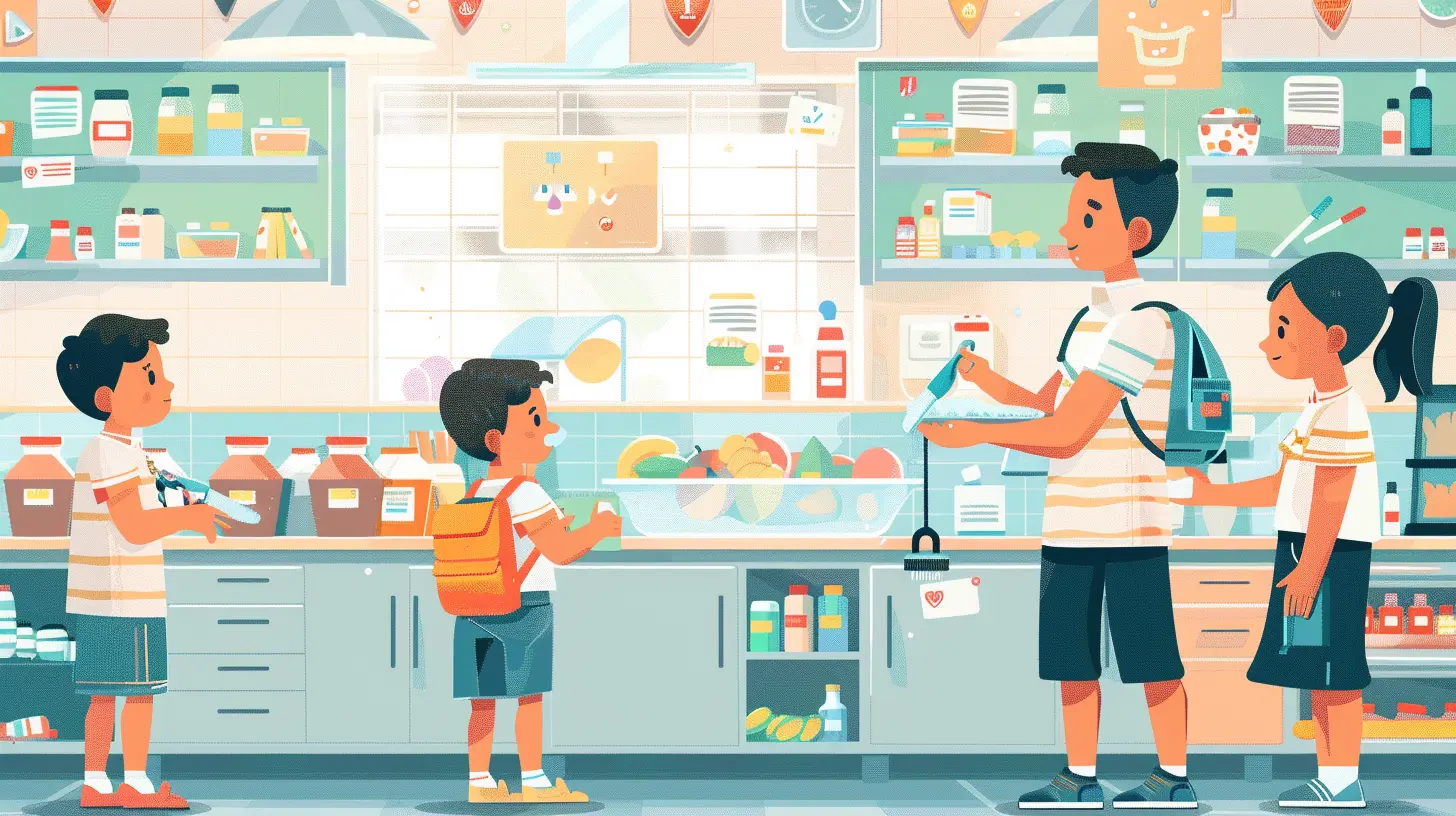
The Role of Teachers and Parents
Teachers and parents play a massive role in reinforcing hygiene habits. It’s not enough to teach hygiene once and expect kids to remember it forever. Consistent reminders and encouragement are key.Teachers Can:
- Lead by example—always wash hands, sneeze properly, and maintain personal hygiene.- Make hygiene discussions a regular part of classroom routines.
- Praise students for practicing good hygiene habits.
Parents Can:
- Continue hygiene lessons at home.- Provide personal hygiene products like hand sanitizer and tissues in school bags.
- Encourage kids to talk about what they learned in school and apply it at home.
Overcoming Common Challenges in Hygiene Education
Even with the best intentions, some challenges can make hygiene education difficult. Here’s how schools can tackle them:1. Limited Resources
Not all schools have the budget for fancy hygiene programs. However, simple posters, regular reminders, and basic supplies like soap and tissues can make a big difference.2. Student Resistance
Let’s be honest—some kids just don’t like following hygiene rules. Instead of forcing them, teachers and parents should use positive reinforcement and make hygiene relatable through storytelling and games.3. Cultural Differences
In some communities, certain hygiene practices might not be emphasized at home. Schools should embrace cultural sensitivity and ensure that hygiene education is inclusive and respectful of all backgrounds.The Long-Term Impact of Hygiene Education
Teaching hygiene and disease prevention in schools isn’t just about staying clean—it’s about building habits that last a lifetime. When kids understand the importance of hygiene, they grow up to be healthier adults who pass these habits on to future generations.Think about it this way: A single child who learns proper hygiene doesn’t just protect themselves—they also protect their friends, family, and the entire school community. It’s a ripple effect that keeps on giving.
By prioritizing hygiene in schools, we’re not just fighting germs today—we’re creating a healthier future for everyone. So, let’s keep those hands washed, those sneezes covered, and those classrooms clean. After all, staying healthy starts with the little things we do every day!
all images in this post were generated using AI tools
Category:
Health EducationAuthor:

Zoe McKay
Discussion
rate this article
1 comments
Jacqueline Patterson
This article effectively highlights the importance of hygiene education in schools. Simple practices can significantly reduce disease spread among students, ensuring a healthier environment for learning and growth.
July 23, 2026 at 2:23 AM