School-Based Health Initiatives That Make a Difference
29 May 2026
In today’s fast-paced world, kids are juggling a lot. Between school, extracurricular activities, and the constant bombardment of information, it’s easy to see how their health can sometimes take a back seat. But the truth is, good health is the foundation for everything, from academic success to personal happiness. Schools, being a second home to many students, play a crucial role in shaping not just their minds but also their overall well-being. That’s where school-based health initiatives come in.
These initiatives are designed to make health services and education accessible right within the school environment, ensuring that students can thrive both mentally and physically. But what exactly do these programs look like? How do they impact students? Let’s dive into some of the most effective school-based health initiatives that are truly making a difference.
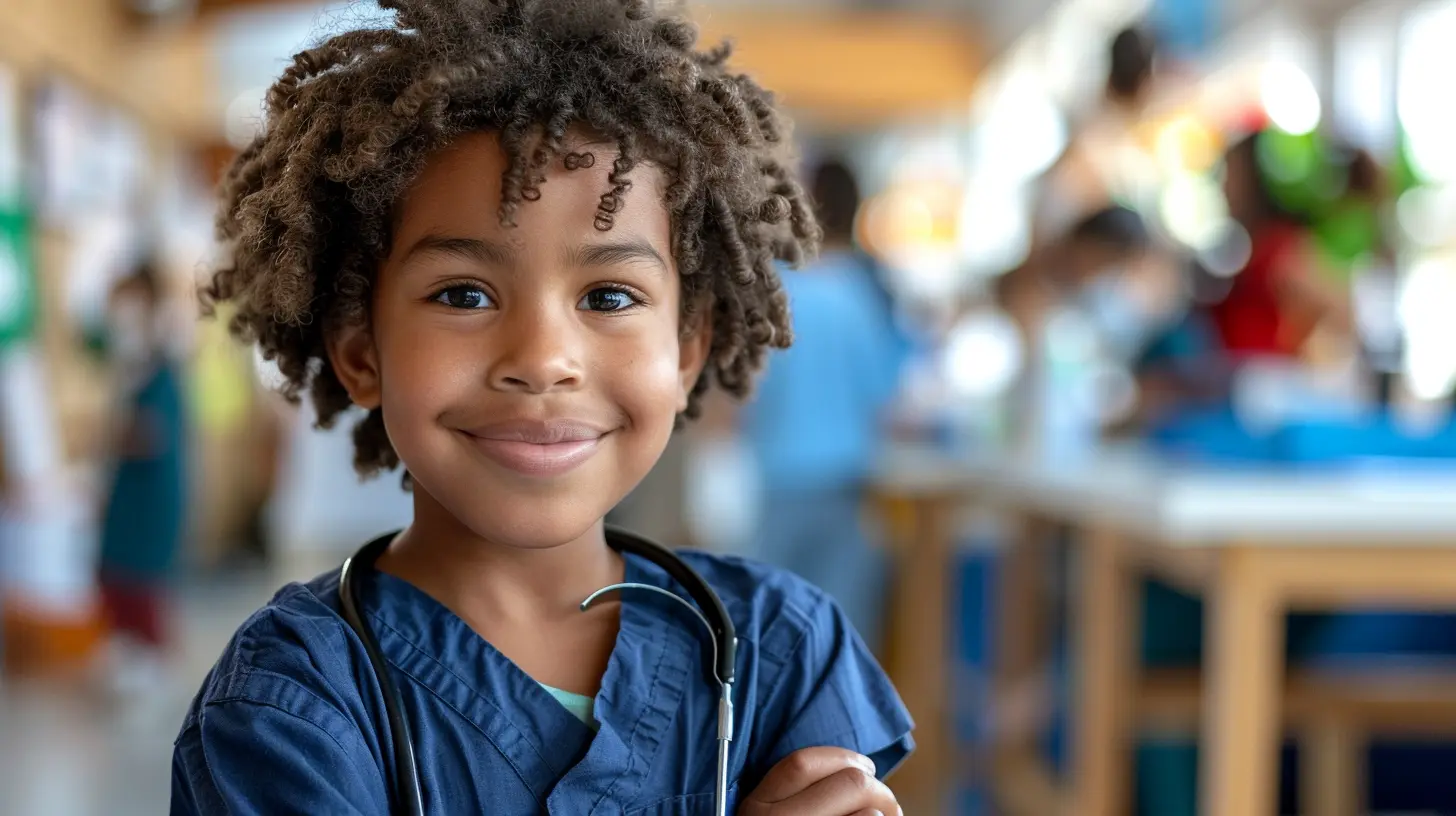
Why School-Based Health Initiatives Matter
First things first, why should schools even bother with health initiatives? Isn’t that a job for parents and healthcare providers? Well, yes and no. While parents play a massive role in a child’s health, schools are in a unique position to help. After all, kids spend a large chunk of their day in school.Think about it. If a student is dealing with a health issue—whether it’s physical, mental, or emotional—how can they possibly focus on their studies? If a child is hungry, anxious, or sick, it's tough to concentrate on math or history. Addressing health in schools, therefore, not only helps students feel better but also ensures they’re set up for academic success.
The Connection Between Health and Academic Performance
There’s plenty of evidence showing that students who are healthy tend to do better in school. According to the Centers for Disease Control and Prevention (CDC), health-related factors, such as proper nutrition, physical activity, and mental health support, are directly linked to academic performance. Schools that invest in health initiatives often see improvements in attendance, behavior, and even test scores.Moreover, school-based health initiatives can have long-lasting effects. Healthy habits learned early on can stick with students for life. For example, a child who learns the importance of regular exercise and healthy eating in school is more likely to carry those behaviors into adulthood.

Types of School-Based Health Initiatives
There are many different types of school-based health initiatives, each targeting various aspects of student well-being. Let’s break down some of the most impactful ones and explore how they’re changing the game.1. School-Based Health Centers (SBHCs)
One of the most comprehensive school-based health initiatives is the establishment of School-Based Health Centers (SBHCs). These centers are essentially mini-health clinics located right on school grounds. They provide a range of services, from physical exams and vaccinations to mental health counseling and nutrition advice.SBHCs are particularly beneficial for students who may not have easy access to healthcare outside of school. This could be due to financial constraints, transportation issues, or a lack of available services in their community. With an SBHC on campus, students can get the care they need without having to miss school or rely solely on emergency rooms for treatment.
What Makes SBHCs Effective?
- Convenience: Students can receive healthcare without having to leave school.- Preventive Care: Regular check-ups and screenings help identify health issues before they become serious.
- Mental Health Support: Many SBHCs offer counseling services, which is crucial given the rising rates of mental health issues among young people.
2. Mental Health Programs
Mental health is just as important as physical health, but it’s often overlooked. Schools are increasingly recognizing the need to support students' mental well-being, and many are implementing mental health programs that provide resources like counseling, stress management workshops, and peer support groups.These programs are especially important because mental health challenges—such as anxiety, depression, and stress—can have a major impact on academic performance. By offering mental health support, schools can help students manage their emotions, cope with stress, and develop resilience.
Why Mental Health Programs Matter
- Prevention: Early intervention can prevent more serious mental health issues in the future.- Support: Students have a safe space to talk about their feelings and get the help they need.
- Stigma Reduction: Mental health programs in schools help to normalize conversations around mental health, breaking down stigma and encouraging students to seek help when they need it.
3. Nutrition and Healthy Eating Initiatives
You’ve probably heard the saying, "You are what you eat." Well, it’s true. The food kids consume plays a huge role in how well they perform in school. That’s why many schools are implementing nutrition initiatives that promote healthy eating habits. These programs can include everything from offering healthier lunch options to teaching students about the importance of a balanced diet.Some schools are even going a step further by creating school gardens where students can learn about growing fresh fruits and vegetables. Not only does this provide hands-on learning, but it also encourages kids to try new, healthy foods they might not otherwise be exposed to.
How Nutrition Programs Help Students
- Improved Focus: Proper nutrition helps students stay alert and focused throughout the school day.- Better Behavior: Studies have shown that kids who eat balanced meals tend to have fewer behavioral issues.
- Long-Term Health: Teaching kids about nutrition sets them up for a lifetime of healthy eating habits.
4. Physical Activity and Fitness Programs
We all know exercise is important, but kids today are more sedentary than ever. Between screen time and homework, many students don’t get the recommended amount of physical activity each day. That’s why schools are stepping up with fitness programs that get kids moving.From traditional physical education (PE) classes to after-school sports teams and fitness challenges, there are plenty of ways schools are encouraging students to stay active. Some schools are even incorporating short “brain breaks” into the day, where students can get up, stretch, and move around to re-energize.
Benefits of Physical Activity Programs
- Boosted Brain Power: Exercise has been shown to improve cognitive function, meaning active kids tend to do better academically.- Stress Relief: Physical activity is a natural stress reliever, helping students manage anxiety and tension.
- Healthy Habits: Like with nutrition initiatives, fitness programs teach students the importance of staying active, which can benefit them for life.
5. Sexual Health Education
Sexual health is a sensitive but essential topic, especially for middle and high school students. Comprehensive sexual health education programs provide students with accurate information about topics like puberty, reproduction, contraception, and sexually transmitted infections (STIs). These programs aim to promote safe, healthy behaviors and prevent issues like teen pregnancy and the spread of STIs.Why Sexual Health Education Is Crucial
- Informed Choices: When students have access to accurate information, they can make better choices about their sexual health.- Prevention: Teaching kids about contraception and protection helps reduce the risk of unintended pregnancies and STIs.
- Empowerment: Sexual health education empowers students to take control of their bodies and make informed decisions.
6. Bullying Prevention Programs
Bullying is a serious issue that can have long-term effects on a student’s mental and physical health. Schools are increasingly implementing bullying prevention programs that focus on creating a positive, inclusive school culture. These programs often include anti-bullying workshops, peer mediation, and social-emotional learning (SEL) initiatives.How Bullying Prevention Programs Make a Difference
- Safe Environment: When bullying is addressed and prevented, students feel safer and more supported at school.- Better Mental Health: Reducing bullying helps improve the mental well-being of all students, not just those who are directly affected.
- Positive School Climate: A focus on kindness, empathy, and respect creates a better learning environment for everyone.

Challenges of Implementing School-Based Health Initiatives
While school-based health initiatives are incredibly valuable, they’re not without their challenges. For one, funding can be a major barrier. Many schools, especially in low-income areas, simply don’t have the resources to provide comprehensive health services. Additionally, there can be resistance from parents or community members who believe that certain health topics—like sexual education—should be handled at home.Another challenge is ensuring that all students have access to these programs. In some cases, students who need the most help may not be aware of the resources available to them, or they may feel embarrassed to seek help.

The Future of School-Based Health Initiatives
Despite these challenges, the future of school-based health initiatives looks bright. As awareness of the connection between health and academic success continues to grow, more schools are likely to invest in programs that support student well-being. Additionally, advances in technology—such as telehealth services—can help make healthcare more accessible to students in underserved areas.Schools are not just places for learning; they’re also communities where students grow, develop, and prepare for the future. By prioritizing health through school-based initiatives, we’re not just helping students succeed academically—we’re setting them up for success in life.
all images in this post were generated using AI tools
Category:
Health EducationAuthor:

Zoe McKay
Discussion
rate this article
1 comments
Nym Rivera
These initiatives need more community involvement to succeed.
June 2, 2026 at 4:46 AM
Zoe McKay
I completely agree. Community involvement is key to making these initiatives truly effective.