Peer Tutoring for Special Needs Students: Best Practices
2 January 2026
When it comes to education, one size definitely doesn't fit all. Every student brings a unique set of strengths, challenges, and learning styles to the classroom. For students with special needs, these differences can be even more pronounced – and sometimes, traditional teaching strategies just don’t cut it.
That’s where peer tutoring steps in.
Picture this: two students, one helping the other, both learning and growing from the experience. It’s not just effective—it’s empowering. Peer tutoring has proven to be a game-changer for special needs education, offering support, boosting confidence, and creating meaningful social interactions.
In this post, we’ll break down the best practices for peer tutoring specifically tailored to special needs students. Ready to dive in? Let’s do this.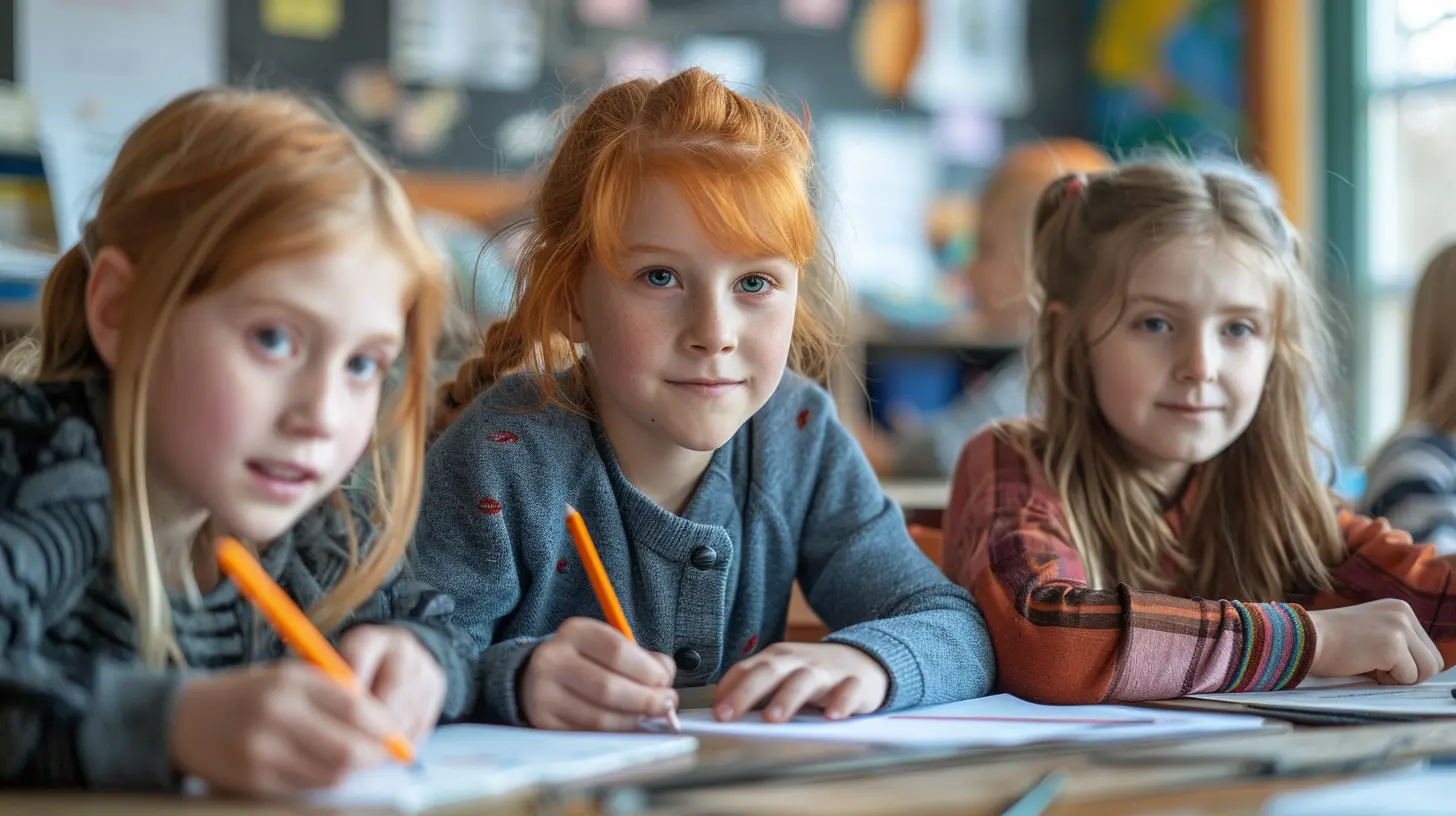
What Is Peer Tutoring?
Before we get ahead of ourselves, let’s quickly cover the basics.Peer tutoring is a teaching strategy where students help each other learn. In most cases, a higher-achieving student (the tutor) works with a student who may need extra help (the tutee). It’s a collaborative, student-led approach that’s been used in classrooms for decades.
But here’s the twist—when it comes to special education, peer tutoring becomes more than just academic support. It becomes a bridge to inclusion, confidence-building, and life skills.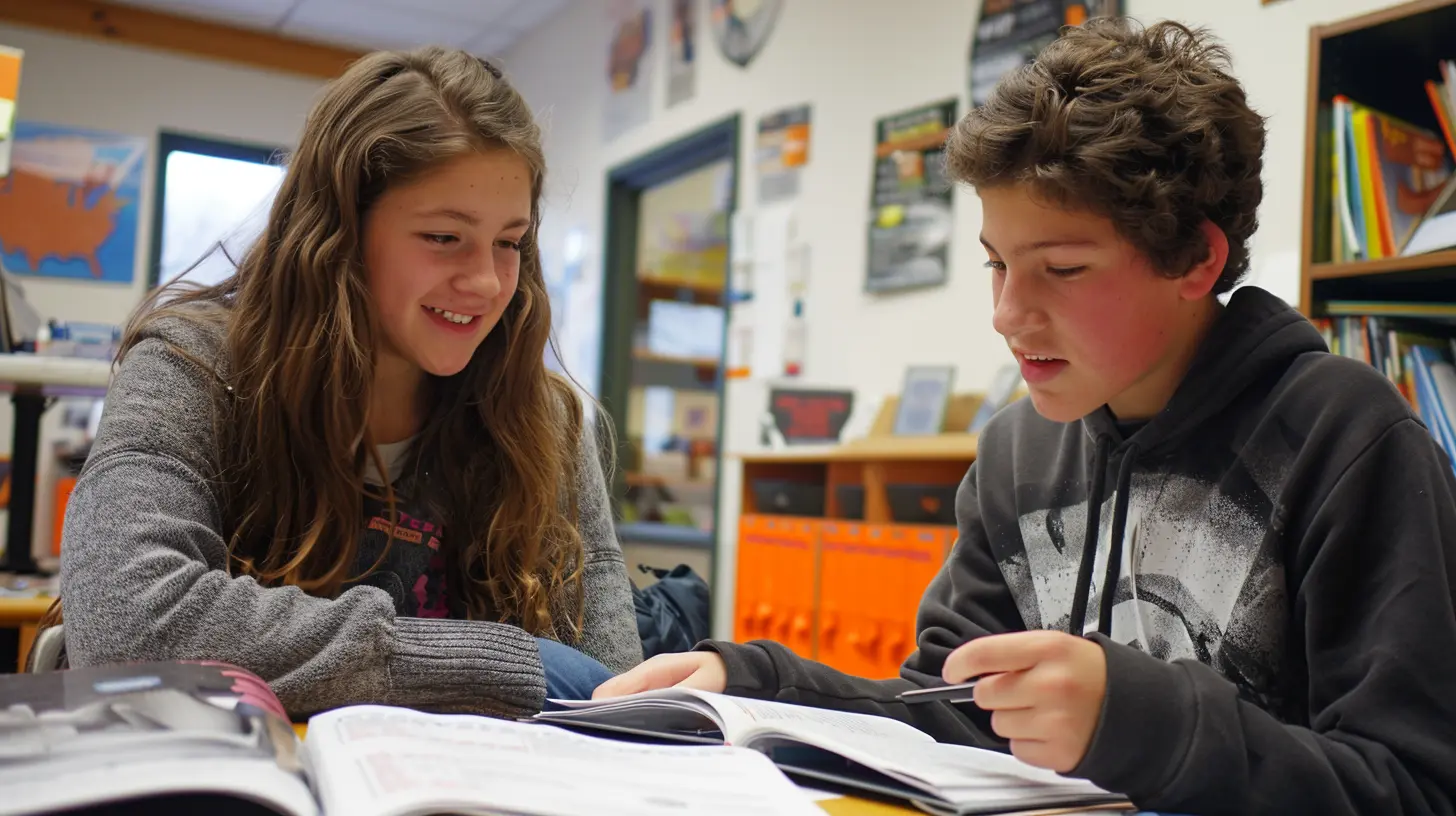
Why Peer Tutoring Works for Special Needs Students
So, what makes peer tutoring such a perfect fit for students with special needs?Let’s break it down:
1. Individualized Support
Special needs students often require additional attention or alternative methods to understand a concept. Peer tutoring naturally provides this kind of 1-on-1 learning environment—without the pressure of a teacher hovering over them.The tutor can slow down, repeat instructions, offer simplified explanations, or even adapt the content in real-time.
2. Social Skills Development
Ever notice how some of the best lessons in life don’t happen from a textbook? By pairing students together, peer tutoring encourages communication, empathy, and teamwork—skills that are especially essential for special needs students.It’s like giving them practice for real-life social scenarios in a way that doesn’t feel forced or awkward.
3. Increased Confidence
For both the tutor and the tutee, this setup can be a major confidence booster. The tutee feels supported and seen, while the tutor learns patience and leadership. Everyone wins.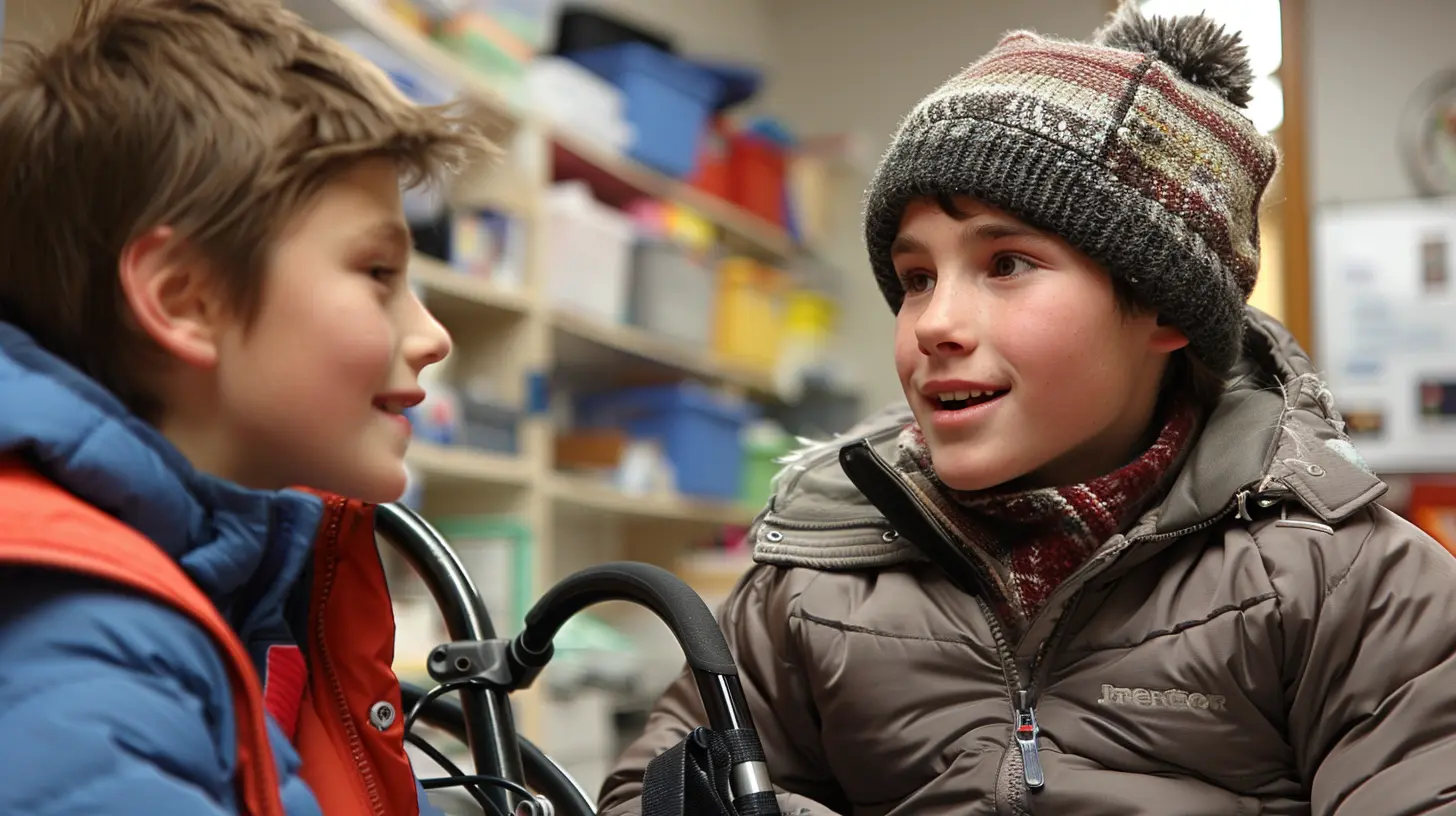
Key Considerations Before Starting a Peer Tutoring Program
If you’re considering implementing peer tutoring in a special needs environment, hold up for a second. There are a few critical things you need to consider first.1. Know Your Students
Every student’s needs are unique. Before pairing anyone up, identify the specific learning challenges and social-emotional needs of each participant.Will the student respond better to a same-age peer or a slightly older student? Do they need verbal encouragement, visual aids, physical prompts?
Knowing this upfront could mean the difference between a successful match and a frustrating one.
2. Choose the Right Peer Tutors
Not every student is cut out to be a peer tutor—and that’s okay. Look for students who are:- Empathetic and patient
- Academically strong in the subject area
- Reliable and consistent
- Open to receiving guidance and feedback
Don’t just pick the “smartest kid.” Pick the one who gets it—and genuinely wants to help.
3. Provide Training (Yes, Really)
Expecting students to just “figure it out” is a recipe for disaster. It’s crucial to train peer tutors before they start.Training should include:
- How to give constructive feedback
- How to encourage without patronizing
- What to do if the student gets frustrated
- How to follow a lesson plan or tutoring outline
A little prep goes a long way.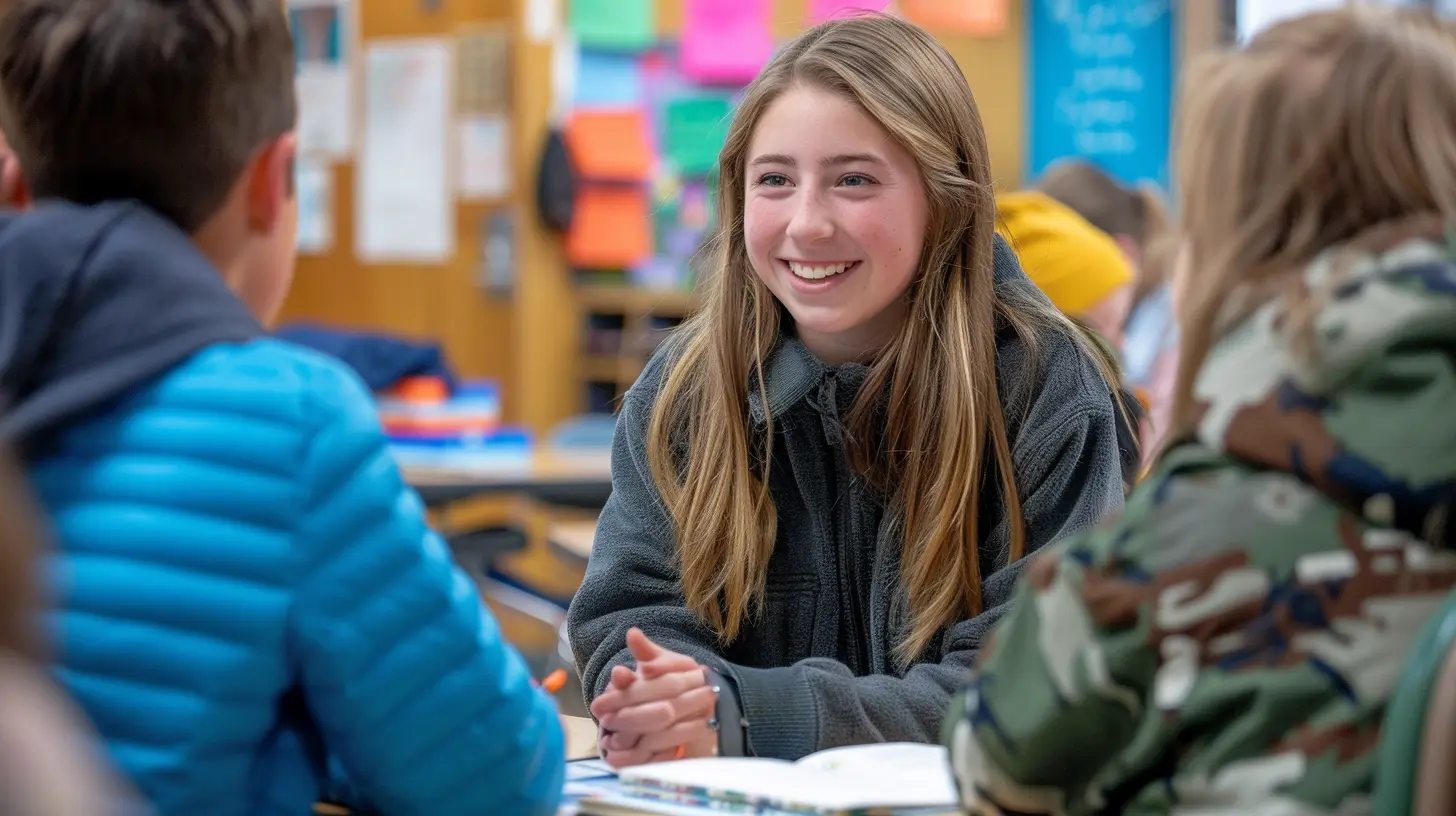
Best Practices for Peer Tutoring with Special Needs Students
Alright, let’s get into the meat and potatoes—what are the actual best practices?These tips are grounded in both research and real-world classroom experience.
1. Establish Clear Goals and Expectations
Make sure both the tutor and the tutee understand what they’re working toward. Is it reading comprehension? Math fluency? Social interaction?Setting clear, measurable goals gives the sessions direction and purpose—and helps you track progress over time.
2. Keep Sessions Short and Sweet
Let’s be honest: attention spans vary, especially for special needs students. Don’t overdo it.Try 15 to 30 minutes per session, depending on the age and ability of the students involved. Quality beats quantity every time.
3. Use Visual Aids and Manipulatives
Special needs students often benefit from tactile or visual learning materials. That might mean flashcards, charts, color-coded notes, or hands-on objects.Encourage peer tutors to incorporate these tools into their sessions. It’s not just helpful—it’s essential.
4. Monitor and Provide Ongoing Feedback
Even the best peer tutors need support. Regular check-ins allow you to guide the tutors, troubleshoot common issues, and keep everything running smoothly.Feedback is a two-way street, too. Ask students how they feel about the sessions. If someone’s not clicking, fix it. Quick.
5. Celebrate Wins—Big or Small
Finished a full lesson without getting distracted? Celebrate it.Improved reading speed by just a few words per minute? That’s a win.
Positive reinforcement builds momentum. Make a big deal out of progress—even baby steps.
Challenges to Watch Out For
Let’s not pretend this is all rainbows and butterflies. Like any strategy, peer tutoring comes with its share of challenges—especially when working with special needs students.Here are a few common hiccups and how to handle them:
1. Mismatch in Abilities or Personalities
Sometimes, even well-matched pairs just don’t vibe. That’s okay. Be ready to change the pairing if needed—no harm, no foul.2. Overdependence on the Peer Tutor
It’s easy for special needs students to rely too heavily on their tutor. The goal is to build independence, not create a crutch.Encourage tutors to gradually step back and allow the tutee to try solving problems on their own.
3. Burnout
Yup, even kids can get tutor fatigue. Rotate tutors, give them breaks, and don’t over-schedule.This should feel fun and rewarding—not like detention.
Real-Life Examples That Prove It Works
Let’s take this out of the abstract and into the real world.One elementary school in Texas implemented a peer tutoring program for its students with learning disabilities. After six months, more than 70% of those students showed improved reading scores.
In a Michigan high school, peer tutoring in math helped students with ADHD not only grasp tough concepts—but also attend class more regularly and feel more motivated to participate.
The research backs this up time and again: peer tutoring isn’t just a feel-good strategy. It delivers real, measurable results.
How to Get Started in Your School
Ready to roll out a peer tutoring program of your own? Here’s a simple step-by-step plan to get the ball rolling:1. Identify students who would benefit (both tutors and tutees)
2. Get buy-in from teachers, parents, and administrators
3. Set up training sessions for your peer tutors
4. Prepare materials like lesson guides, visual aids, rewards
5. Schedule regular sessions and system for tracking progress
6. Monitor and adjust based on what works (and what doesn’t)
Start small, stay flexible, and grow from there.
Final Thoughts
At the end of the day, peer tutoring for special needs students isn’t just a teaching strategy—it’s a statement.It says, “We believe in every student’s potential.”
It says, “We’re willing to try new things to make learning more accessible.”
And most of all, it says, “You don’t have to do this alone.”
With the right tools, thoughtful planning, and a whole lot of heart, peer tutoring can transform how we teach—and how students learn.
It’s not magic. But it’s pretty darn close.
all images in this post were generated using AI tools
Category:
Peer TutoringAuthor:

Zoe McKay
Discussion
rate this article
2 comments
Nina Miller
Empowerment through peer support: every student matters!
February 10, 2026 at 3:46 AM
Zoe McKay
Thank you for your comment! Absolutely, every student’s unique strengths contribute to a supportive learning environment where empowerment thrives.
Laila Hardy
Peer tutoring can significantly enhance learning for special needs students by fostering social skills, improving academic performance, and promoting inclusion. Implementing structured approaches and training peer tutors is essential for effective outcomes.
January 13, 2026 at 4:39 AM
Zoe McKay
Thank you for your insightful comment! I completely agree that structured approaches and trained peer tutors are key to maximizing the benefits of peer tutoring for special needs students. Your points on social skills and inclusion are particularly important.