Peer Tutoring as a Tool for Academic Recovery
7 January 2026
Imagine struggling with a subject, feeling lost in a sea of information, and then—just like magic—you find someone who gets it. Someone who explains it in a way that clicks. That’s the magic of peer tutoring. It’s not just another educational buzzword. It’s a powerful strategy to help students bounce back from academic challenges.
But how does it work? And more importantly, why does it work so well?
In this article, we’re diving deep into peer tutoring as a tool for academic recovery, uncovering its hidden benefits, and exploring how it transforms struggling students into confident learners.

What is Peer Tutoring?
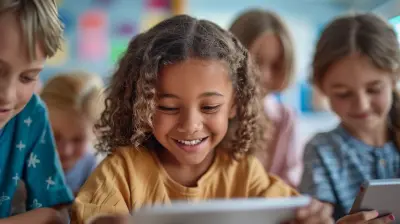
At its core, peer tutoring is simple: students help other students learn. Instead of relying solely on teachers or tutors, students turn to their peers—often classmates or slightly older students—for academic support.Think of it as learning through conversation, not lectures. One student explains a concept, the other asks questions, and together, they unravel the mysteries of the subject.
It’s a method that has been around for centuries, but in today’s education system, it’s becoming a lifeline for struggling students.

Why Is Academic Recovery So Crucial?
Let’s be real—falling behind in school is terrifying. One missed lesson turns into two, then three, and before you know it, you feel completely lost. Unfortunately, many students face this struggle, especially after disruptions like online learning challenges, personal setbacks, or school closures.Academic recovery is the process of getting back on track—regaining lost knowledge, rebuilding confidence, and catching up with peers. But this isn’t always easy. Traditional methods like extra classes or independent study don’t always work for everyone. That’s where peer tutoring steps in like a secret weapon.

The Science Behind Peer Tutoring
Why is peer tutoring so effective? It all comes down to how the brain processes information.When students teach their peers, they’re forced to simplify complex concepts, putting them in words that make sense. This process, called the “protégé effect,” helps both the tutor and the learner. Teaching something reinforces the tutor’s understanding while giving the learner a fresh, relatable explanation.
A Few Key Psychological Benefits
- Increased Retention – We remember 90% of what we teach, compared to just 30% of what we hear. Peer tutoring solidifies knowledge.- Reduced Anxiety – Students feel more comfortable asking a friend for help than a teacher.
- Boosted Confidence – Both the tutor and the learner feel a sense of achievement and mastery over time.

How Peer Tutoring Helps Struggling Students
Every struggling student has their own academic story. Maybe they missed a few key lessons, maybe they’re battling self-doubt, or perhaps traditional classroom instruction just doesn’t resonate with them.Here's how peer tutoring helps them turn things around:
1. Learning Without Judgment
Let’s be honest—raising your hand in class when you don’t understand something? Terrifying. Many students would rather stay silent than admit confusion in front of their classmates.With peer tutoring, there’s no fear of feeling “stupid”. It’s a safe space where asking questions is normal and encouraged.
2. Breaking Down Concepts in a Relatable Way
Ever feel like your teacher is speaking another language? That’s because educators often approach topics from an expert perspective, making assumptions about what students already understand.A peer tutor, on the other hand, was recently in the same shoes as the struggling student. They get the common mistakes, the tricky parts, and the best shortcuts.
3. Encouraging Active Learning
Traditional learning can feel passive—listening to lectures, copying notes, memorizing facts. But with peer tutoring, students are actively engaged. They participate in discussions, ask questions, explain ideas, and solve problems together.This hands-on approach accelerates understanding and makes learning far more enjoyable.
4. Improving Social and Communication Skills
Academics aren’t just about grades. Strong communication skills are essential in life. Peer tutoring naturally fosters these abilities.The tutor learns how to explain ideas clearly, while the learner builds confidence in speaking up and asking for clarification. These skills extend beyond the classroom into everyday life.
5. A Personalized Learning Experience
Not every student learns the same way, and mainstream education doesn’t always cater to individual needs.Peer tutoring allows for customized learning. Tutors can adjust their teaching style, speed, and examples to match the learner’s way of processing information. If something isn’t clicking, they try a different approach—something that’s rarely possible in a crowded classroom.
The Hidden Perks of Being a Tutor
We always talk about how peer tutoring benefits the struggling student, but what about the tutor? Turns out, they gain just as much!1. Deepening Their Own Understanding
Ever explained something to a friend and suddenly realized, Oh, now I get it!? Teaching reinforces knowledge in surprising ways.Tutors often find gaps in their own understanding while explaining concepts. This forces them to clarify their thoughts, ultimately solidifying their knowledge even further.
2. Developing Leadership Skills
Acting as a tutor builds leadership and mentorship skills—abilities that will serve them well into adulthood. It’s like training for the future without even realizing it.3. Boosting Academic Confidence
Teaching others reminds tutors of how far they’ve come. It’s proof that they’ve mastered concepts well enough to help others, reinforcing their own academic self-esteem.
How Schools Can Implement Peer Tutoring Programs
Given its effectiveness, schools should actively encourage peer tutoring. But how?1. Establish a Peer Tutoring Club
A structured club where experienced students sign up to help others fosters a strong culture of collaboration. Schools can provide spaces and guidance to facilitate learning sessions.2. Pair Struggling Students with Stronger Peers
Teachers can match students based on strengths and weaknesses, ensuring a productive tutor-learner dynamic.3. Train Tutors for Maximum Impact
While informal tutoring works, offering basic training can make sessions even more effective. Teaching students how to explain concepts, ask guiding questions, and manage different learning styles enhances the experience for both parties.4. Encourage a Growth Mindset
Schools should emphasize that needing help is normal. When students view tutoring as a positive, rather than a sign of weakness, more will willingly participate.The Future of Peer Tutoring
With the rise of online learning and hybrid education, peer tutoring is evolving. Virtual tutoring sessions, AI-driven peer matching, and online study groups are making this approach more accessible than ever.As education continues to change, one thing remains constant—students thrive when they help each other.
Final Thoughts
Peer tutoring isn’t just about catching up on missed lessons. It’s about empowerment, growth, and building a community of learners.For students struggling to recover academically, peer tutoring isn’t just a tool—it’s a lifeline.
So, the next time you’re stuck on a topic, why not turn to a peer? You might just find that the best teacher is sitting right next to you.
all images in this post were generated using AI tools
Category:
Peer TutoringAuthor:

Zoe McKay
Discussion
rate this article
2 comments
Oren McQuillan
Empowering minds through collaboration.
February 17, 2026 at 3:33 AM
Zoe McKay
Thank you! Collaboration truly enhances learning and fosters growth in both tutors and students.
Ulysses McCaffrey
This article beautifully highlights the power of peer tutoring in fostering academic recovery. It's inspiring to see how collaboration not only enhances learning but also builds meaningful connections among students. A wonderful reminder of the strength found in community support!
January 17, 2026 at 5:18 AM
Zoe McKay
Thank you for your thoughtful comment! I’m glad to hear that the article resonated with you and highlighted the importance of collaboration and community in academic recovery.