Peer Tutoring and Its Role in Promoting Equity in Education
4 December 2025
Education is meant to be the great equalizer, a tool that provides everyone—regardless of background—an opportunity to succeed. But let's be honest: not everyone starts at the same line. Some students have more resources, better support systems, and easier access to quality education. This is where peer tutoring comes into play.
Peer tutoring is more than just students helping each other—it’s a powerful way to bridge learning gaps, boost confidence, and create a more equitable education system. But how exactly does it do that? Let’s dive in. 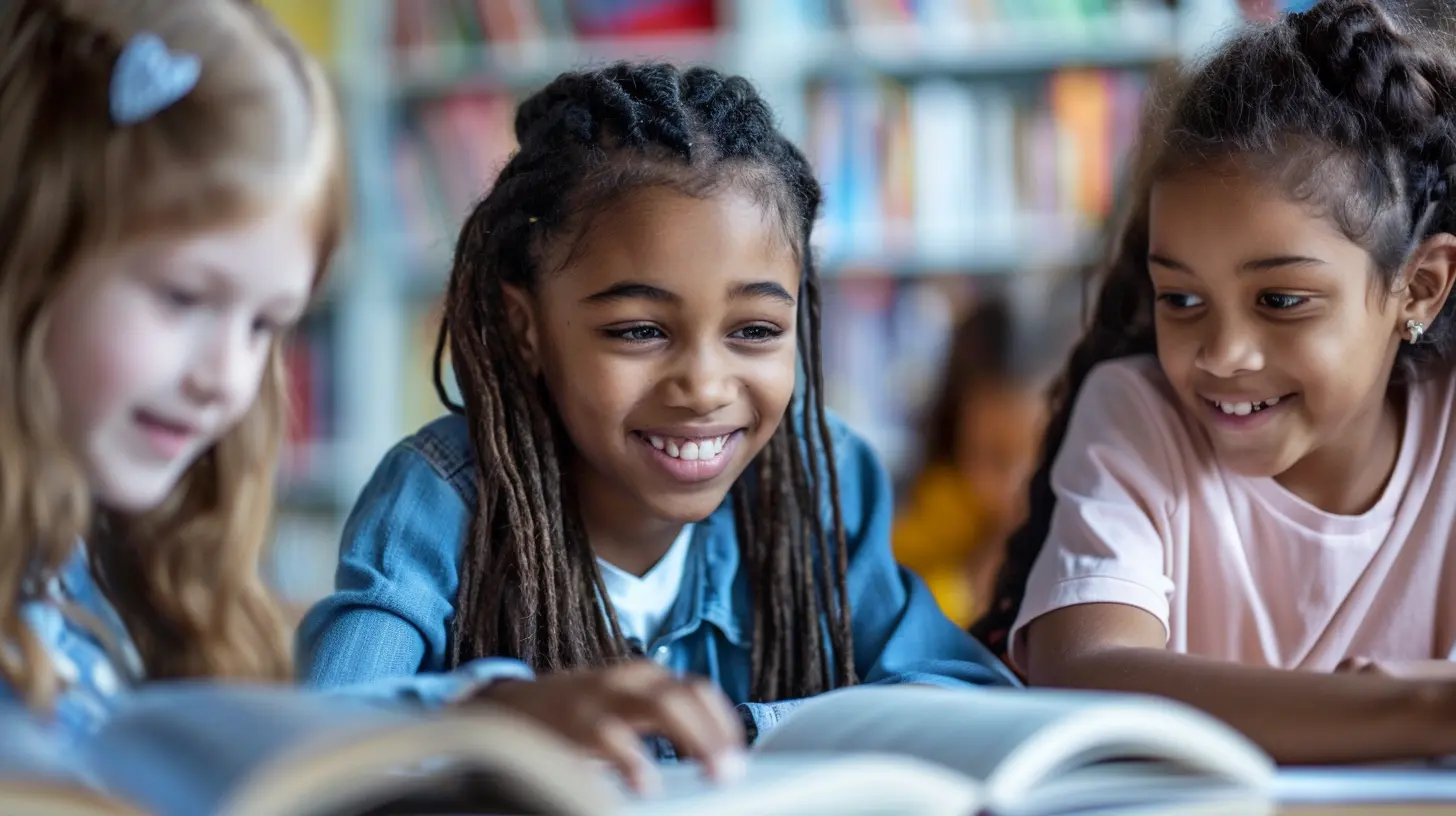
What is Peer Tutoring?
Simply put, peer tutoring is when students tutor other students. It can take many forms:- A classmate helping another with math homework
- A structured school program where older students assist younger ones
- Study groups where peers work together to understand complex subjects
What makes peer tutoring so special is that it isn't just about improving grades—it's about creating a culture where students lift each other up. 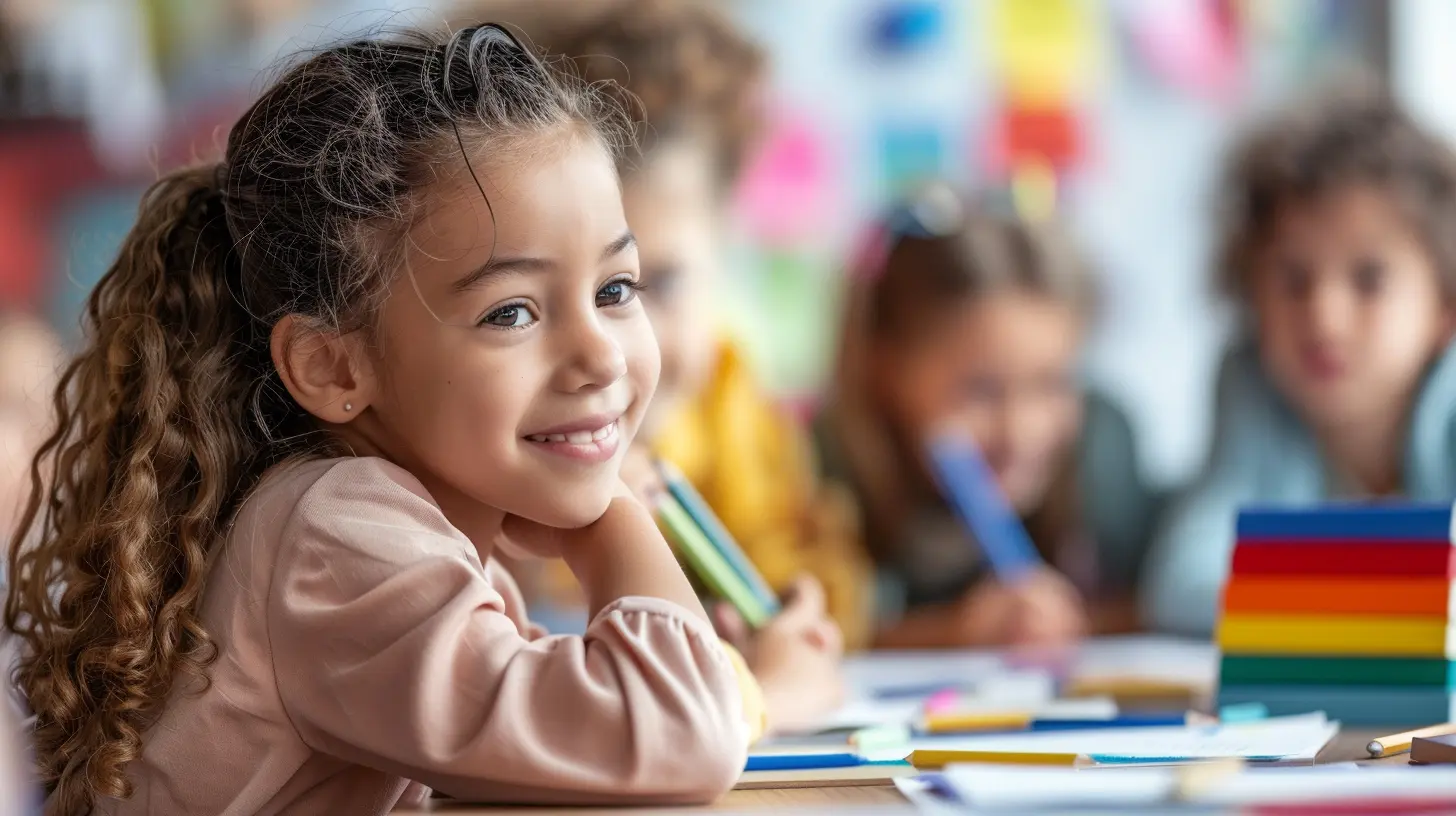
Why Does Equity in Education Matter?
Before we dive into how peer tutoring promotes equity in education, let’s talk about why equity even matters.Equity in education means every student gets the support they need to succeed, no matter their background or circumstances. This is different from equality, where everyone gets the same resources, regardless of their unique needs.
Some students come from communities with fewer resources. Others might struggle with learning disabilities. Some may not have access to private tutoring or parental support at home. Without addressing these differences, the education system unintentionally leaves some students behind.
Peer tutoring helps level the playing field by giving every student access to personalized learning from someone who understands their struggles firsthand. 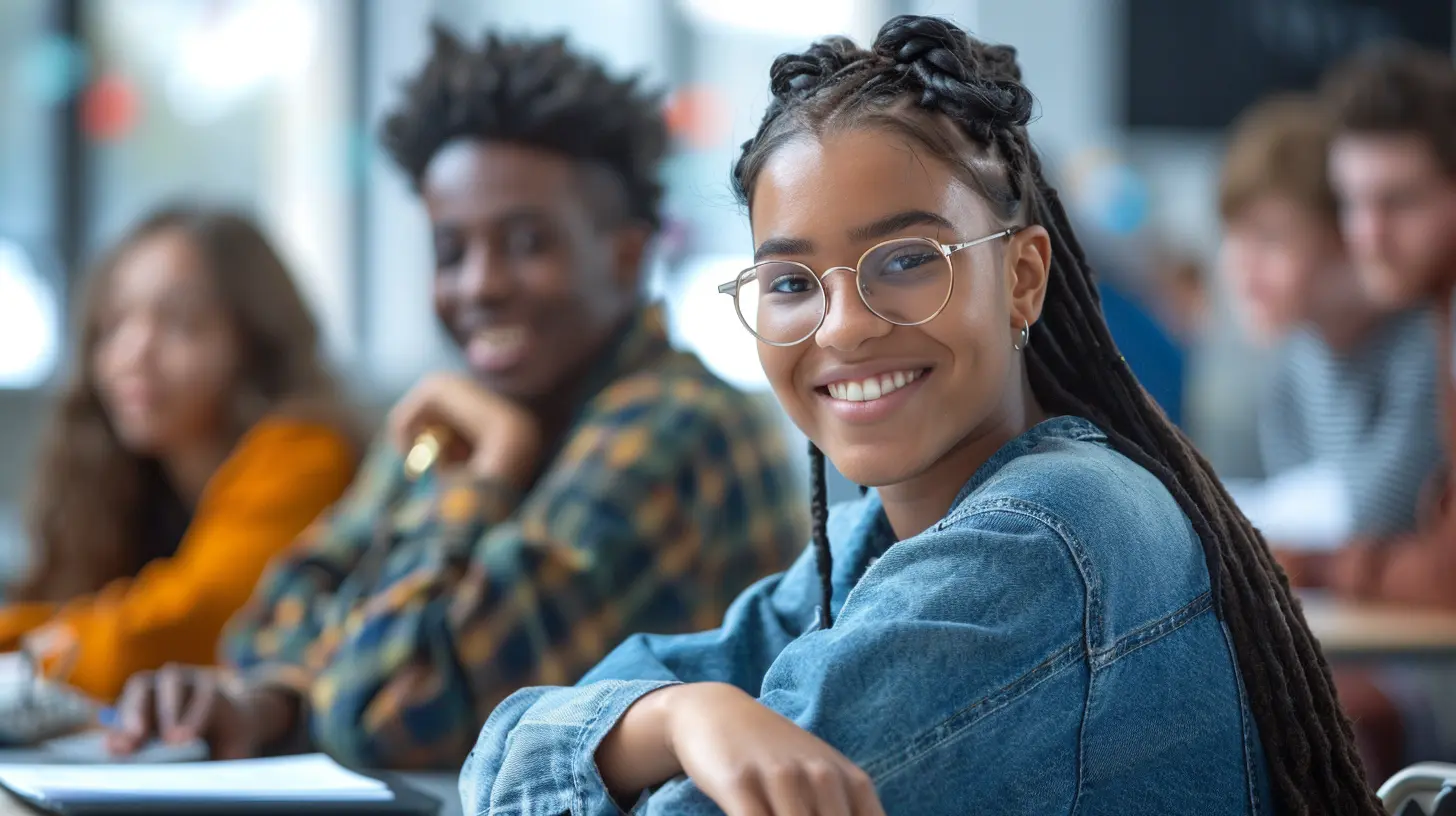
How Peer Tutoring Promotes Equity in Education
1. Bridging the Learning Gap
Not everyone learns at the same pace—and that’s okay. But traditional classroom settings don’t always have the flexibility to cater to individual learning speeds. Teachers do their best, but with large class sizes and packed curriculums, some students inevitably fall behind.Peer tutoring allows struggling students to get the extra support they need without financial barriers. Instead of a pricey private tutor, they can turn to a fellow student who understands the material and is willing to help.
2. Boosting Confidence and Reducing Stigma
Let’s be real—asking for help can feel embarrassing. Many students hesitate to raise their hands in class because they fear looking "dumb" in front of their peers.Peer tutoring changes that dynamic. Learning from a classmate feels less intimidating than seeking help from a teacher. It creates a safe space where students can ask questions without fear of judgment.
And guess what? When a student finally grasps a difficult concept thanks to their peer tutor, their confidence skyrockets. They start believing in their ability to succeed, which can have lasting effects on their motivation and academic performance.
3. Encouraging Collaboration Over Competition
In traditional schooling, students are often pitted against each other—who gets the highest grades, who ranks at the top, who wins the academic awards. This competition can make learning feel like a solo journey rather than a shared experience.Peer tutoring flips the script. It fosters a culture of teamwork, where students realize that helping each other succeed benefits everyone. When peers support one another, the classroom becomes a collaborative space rather than a battlefield.
4. Providing Low-Cost (or Free) Academic Support
Let’s face it: tutoring can be expensive. Many families can’t afford private tutors, leaving struggling students without much-needed help.Peer tutoring offers a no-cost alternative. Schools can implement structured programs where students dedicate time to tutoring their peers, ensuring that academic support is available regardless of financial status. This ensures that education remains accessible and fair for all.
5. Improving Social and Emotional Skills
Education isn’t just about academics—it’s also about developing social and emotional intelligence. Peer tutoring enhances communication skills, patience, empathy, and leadership.For the tutor, teaching a subject reinforces their own understanding and builds confidence. For the student receiving help, it encourages a sense of connection and belonging. Both parties develop skills they’ll carry with them far beyond the classroom.
6. Addressing Teacher Shortages and Overcrowded Classrooms
In many schools, teachers are stretched thin. Large class sizes mean less individual attention, making it harder for struggling students to get the help they need.Peer tutoring acts as a support system for both students and educators. It lightens the load for teachers while ensuring that no student feels left behind. When students help each other, learning becomes more accessible and efficient.
7. Making Education More Inclusive
Students from marginalized backgrounds often face unique challenges that make it harder to succeed in school. Peer tutoring provides them with a support system that might not be available at home or in traditional classroom settings.For students with learning disabilities, peer tutors can offer personalized assistance and alternative learning strategies tailored to their needs. This inclusivity fosters a more diverse and understanding learning environment. 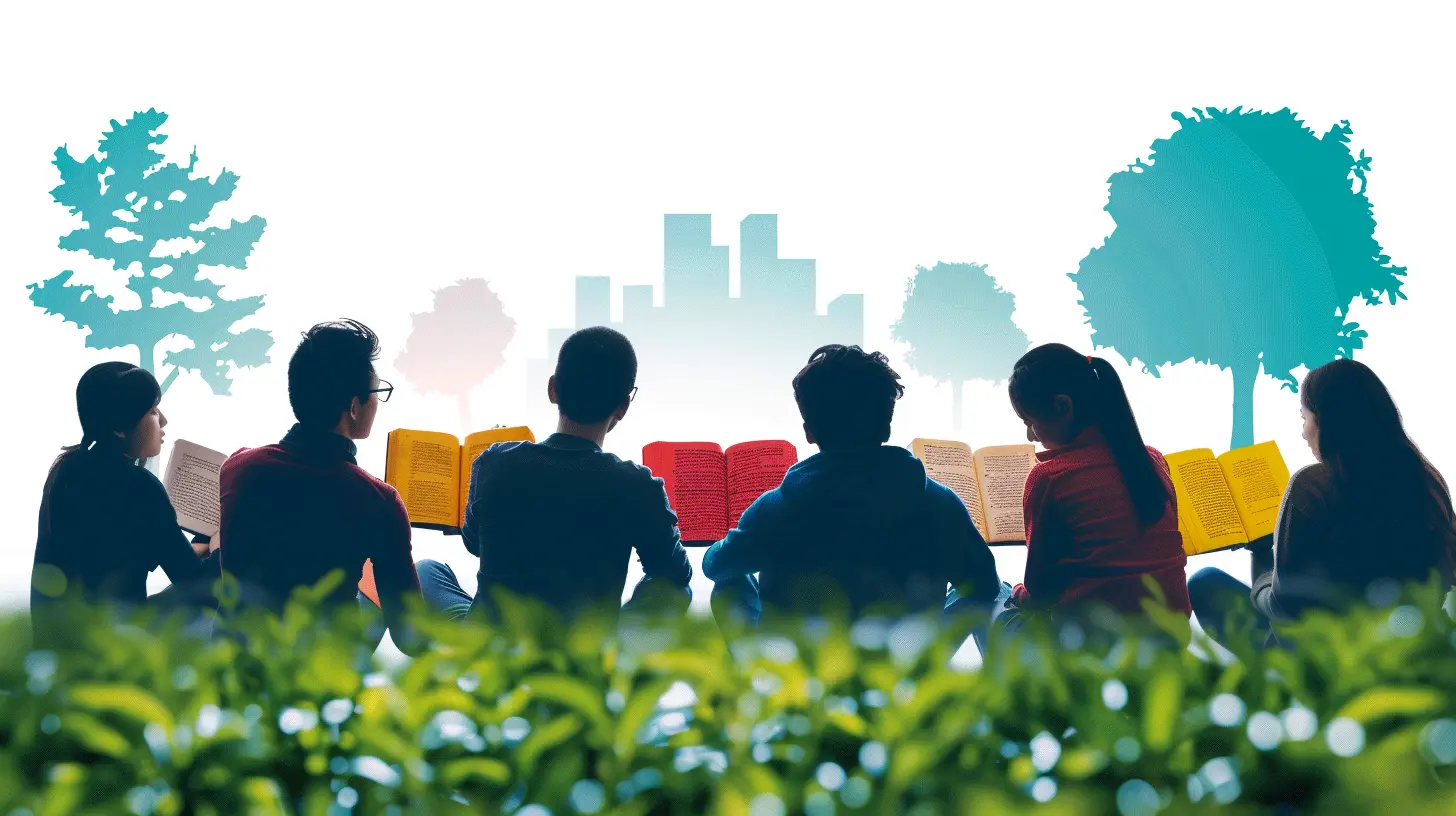
How Schools Can Implement Peer Tutoring Programs
By now, it’s clear that peer tutoring has major benefits. But how can schools ensure these programs are effective? Here are some key steps:1. Identify Peer Tutors: Schools can recruit high-achieving students who excel in certain subjects and have strong communication skills.
2. Provide Training: Tutors should be trained on teaching strategies, patience, and how to provide constructive feedback.
3. Create Structured Sessions: Schools can set up dedicated peer tutoring times, whether during lunch breaks, after school, or during study halls.
4. Encourage a Culture of Mentorship: Schools should promote a supportive environment where asking for help is seen as a strength, not a weakness.
5. Monitor and Adjust: Regular check-ins can help measure program effectiveness and make necessary improvements.
The Lasting Impact of Peer Tutoring
Peer tutoring isn’t just a quick fix for struggling students—it’s a long-term investment in an equitable education system. It nurtures collaboration, supports those who need it most, and empowers students to take control of their learning.Imagine if every school embraced peer tutoring. The education gap would shrink, confidence among students would grow, and learning would become a shared experience rather than a competition.
At the end of the day, education should be about lifting each other up, not leaving others behind. And peer tutoring is one of the simplest, yet most powerful ways to make that vision a reality.
all images in this post were generated using AI tools
Category:
Peer TutoringAuthor:

Zoe McKay
Discussion
rate this article
2 comments
Jessamine Moses
Peer tutoring isn't just about academic support; it's a powerful equalizer. By fostering collaboration and understanding, it transforms classrooms into inclusive spaces where every student can thrive. Equity in action!
December 24, 2025 at 4:46 AM
Zoe McKay
Thank you for your insightful comment! I completely agree that peer tutoring plays a vital role in creating inclusive classrooms and promoting equity among students.
Lyra Mason
Great insights on peer tutoring! It's inspiring to see how collaboration among students can bridge gaps and promote equity. Empowering learners together truly transforms the educational landscape. Keep it up!
December 5, 2025 at 4:21 AM
Zoe McKay
Thank you for your thoughtful feedback! I'm glad you found the article inspiring and agree on the importance of collaboration in education.