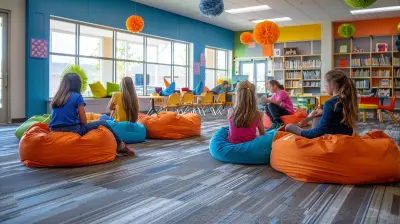
Incorporating Yoga and Relaxation Practices into the School Day
30 March 2026
In today's fast-paced world, students face immense pressure from academics, extracurricular activities, and social expectations. Amid all this chaos, stress and anxiety have become frequent guests in the lives of young learners. But what if there was a simple, effective way to help students manage their stress while also improving their focus and overall well-being?
Enter yoga and relaxation practices—a game-changing addition to the school day that offers tremendous benefits for both students and teachers. Incorporating these techniques doesn’t require major adjustments to the curriculum, yet the impact can be life-changing. Let’s dive into why and how schools can seamlessly integrate yoga and mindfulness into daily routines.
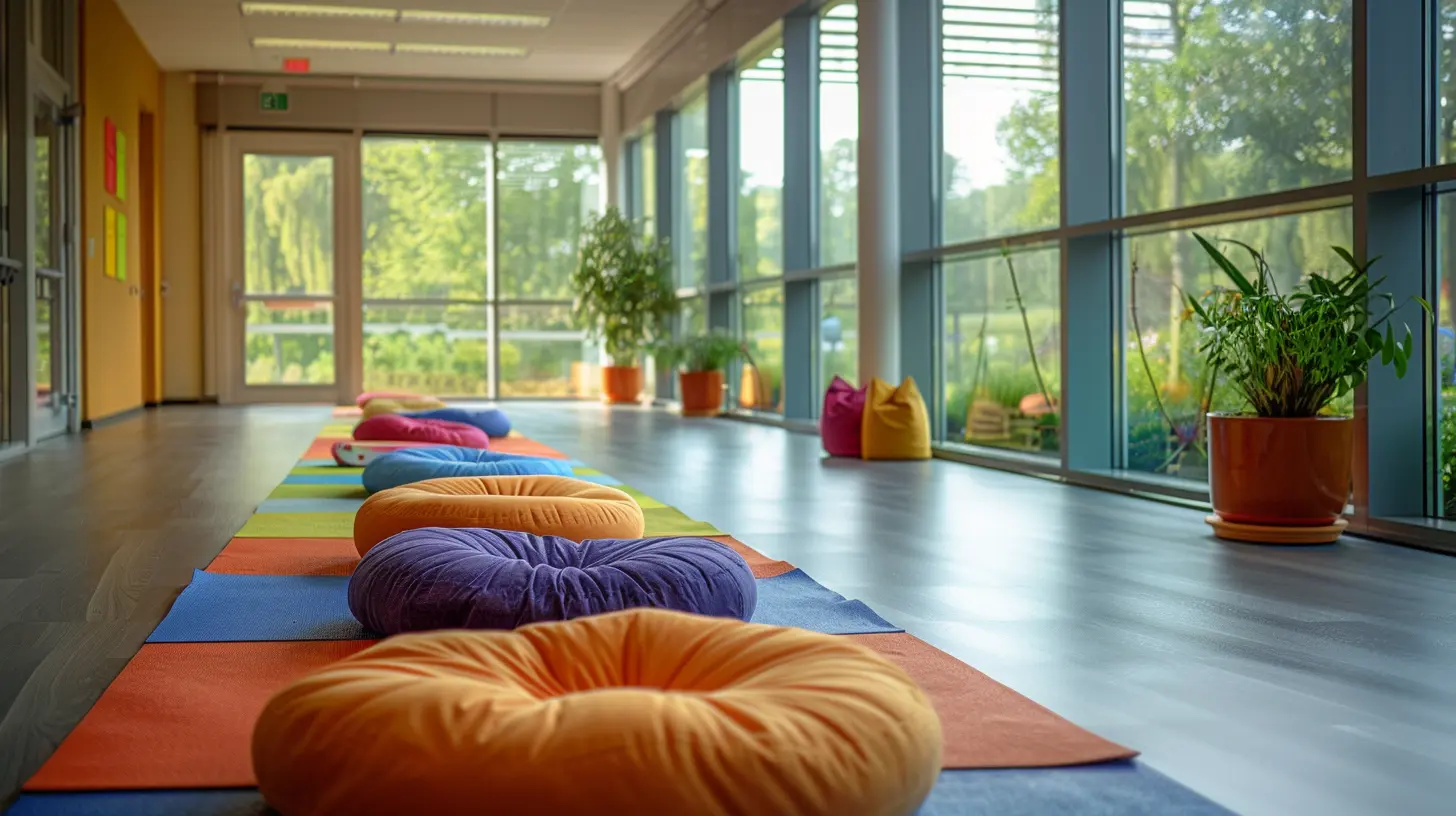
Why Schools Should Introduce Yoga and Relaxation Techniques
1. Enhancing Focus and Concentration
Have you ever noticed how students struggle to sit still and focus? Whether it's short attention spans or constant distractions, staying engaged in lessons has become a challenge. Yoga helps train the mind to focus, improving students’ ability to pay attention in class. Simple breathing exercises and mindful movements can sharpen concentration and boost memory retention.2. Reducing Stress and Anxiety
Exams, deadlines, peer pressure—students face more stress than ever before. A few minutes of mindful breathing or relaxation exercises can work wonders in reducing anxiety levels. When students are relaxed, they’re better able to process information, think critically, and make better decisions.3. Encouraging Emotional Regulation
Yoga isn’t just about stretching—it teaches students how to manage emotions effectively. Children learn how to recognize their feelings, stay calm in stressful situations, and handle conflicts maturely. Imagine a classroom where students are more patient, understanding, and emotionally aware—sounds like a dream, right? Well, it’s completely possible with regular mindfulness practices.4. Boosting Physical Health
Let’s not forget the physical perks! With kids spending hours hunched over screens, poor posture and lack of movement have become serious concerns. Yoga improves posture, flexibility, and overall physical strength, helping students feel more energized and ready to take on the day.5. Creating a Positive Learning Environment
A peaceful classroom environment benefits both students and teachers. When relaxation techniques are incorporated into the school day, there are fewer behavioral issues, better student-teacher relationships, and a more harmonious atmosphere. A calm mind leads to a calm classroom!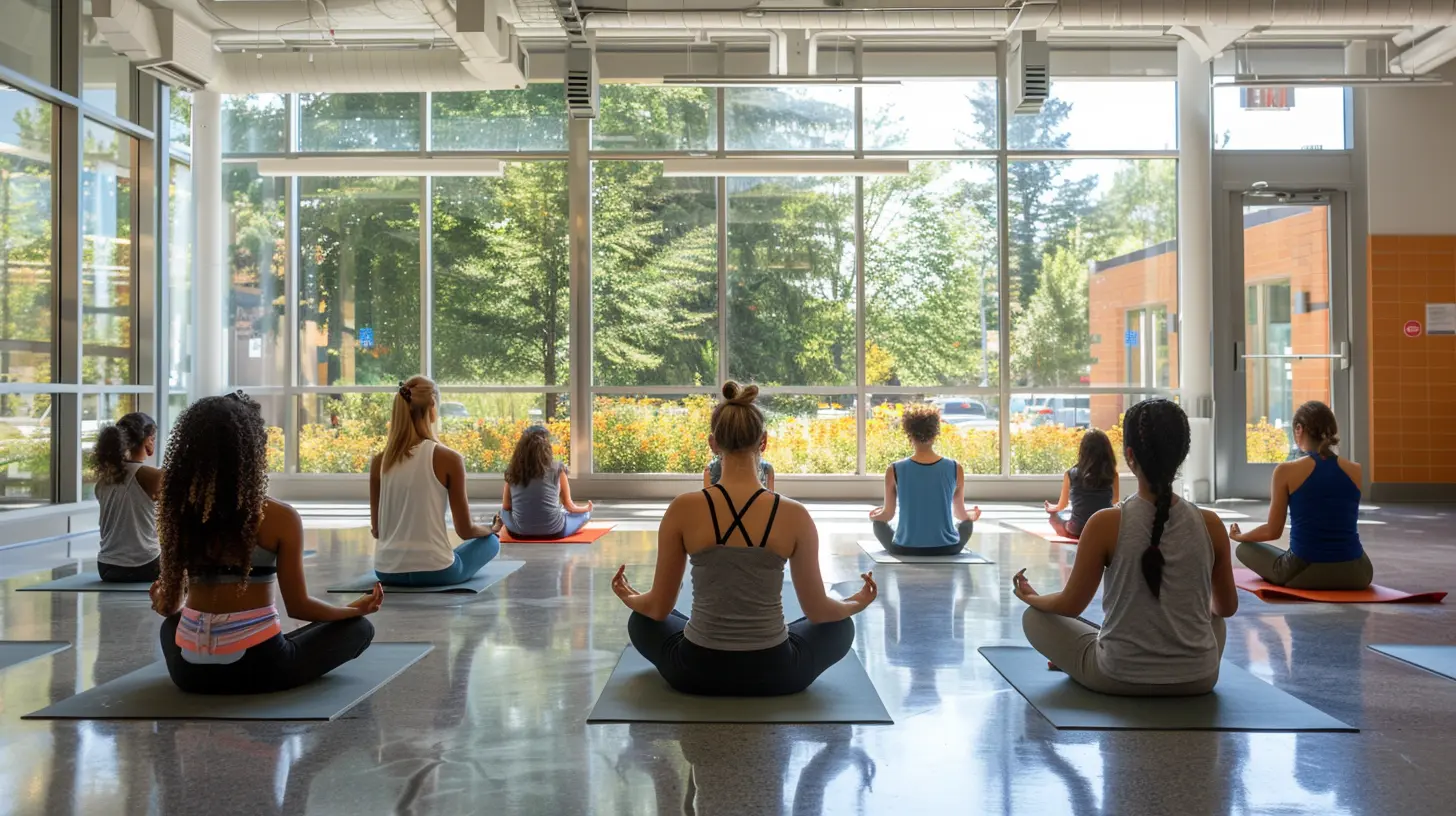
Best Ways to Incorporate Yoga and Relaxation into the School Day
Now that we know the benefits, the next question is—how do we bring yoga and mindfulness into everyday school life without disrupting academics? The good news? It’s easier than you think!1. Morning Yoga Routine
Starting the day with a few minutes of light stretching and deep breathing sets a positive tone for learning. Schools can introduce a simple 5-minute "wake-up" yoga routine to improve alertness and prepare students for the day ahead.Example Routine
- Mountain Pose (Tadasana): A grounding pose to promote stability.- Sun Salutations (Surya Namaskar): A dynamic movement sequence to wake up the body.
- Deep Belly Breathing: Helps students center themselves before lessons begin.
2. Mindful Breathing During Transitions
Instead of jumping from one subject to the next, why not allow one minute of mindful breathing before each lesson? It helps students reset and refocus while minimizing mental fatigue.Simple Breathing Exercises
- Box Breathing (4-4-4-4 method): Inhale for four seconds, hold for four, exhale for four, hold for four.- 5-Finger Breathing: Inhale while tracing up a finger, exhale while tracing down. This helps anxious students calm down quickly.
3. Stretch Breaks Between Classes
Sitting for long periods isn’t great for students' bodies or brains. Quick stretch breaks between classes can work wonders in keeping students engaged and preventing the dreaded afternoon slump.Easy Classroom Stretches
- Shoulder Rolls – Relieves tension from writing or typing.- Seated Twists – Boosts spinal flexibility and refreshes the mind.
- Forward Fold at Desk – Releases stress and relaxes muscles.
4. Guided Relaxation Before Tests
Exams can be nerve-wracking! A short guided meditation or relaxation session before a test can help students manage anxiety and perform better. Teachers can guide students through a simple body scan meditation or play a relaxing instrumental track to calm nerves.5. Mindfulness-Based Homework
Encourage students to practice mindfulness outside the classroom by assigning simple mindfulness activities as homework. This could be journaling about their feelings, practicing gratitude, or doing a short evening meditation before bed.6. Setting Up a Calming Corner
A designated calming space in the classroom can help students self-regulate when they feel overwhelmed. Fill this space with soft cushions, coloring sheets, stress balls, and guided relaxation scripts. Whenever a student needs a moment to breathe, they can use the calming corner as a reset zone.7. Teacher-Led Mindfulness
Teachers don’t have to be certified yoga instructors to lead mindfulness practices! Short, teacher-led breathing exercises or stretching breaks can make a significant impact. Even better—why not collaborate with local yoga instructors to introduce schoolwide mindfulness sessions?
Overcoming Common Challenges
Despite the incredible benefits, some schools hesitate to introduce yoga and relaxation practices. Here are common concerns and how to address them:1. "We Don't Have Time for This"
Reality: These practices take only a few minutes a day. Small mindfulness moments—like breathing exercises between lessons—fit seamlessly into the schedule.2. "Not Everyone Is Comfortable with Yoga"
Reality: If "yoga" feels too unfamiliar, call it "stretching and mindfulness." The goal isn’t religious or spiritual—it’s about health, focus, and mental well-being.3. "Will It Actually Work?"
Reality: Many schools worldwide have already integrated mindfulness programs with positive outcomes. Increased student engagement, improved emotional resilience, and reduced stress levels are just a few documented benefits!
Final Thoughts
Incorporating yoga and relaxation practices into the school day is one of the simplest yet most effective ways to enhance students' mental, emotional, and physical well-being. It doesn't require expensive equipment or major curriculum changes—just a willingness to prioritize students' holistic development.So, why not take a small step towards creating a calmer, healthier, and more focused generation? Whether it's one minute of mindful breathing, a stretch break, or a morning yoga routine, every little effort counts. Let’s make learning not just about academics, but about nurturing happier, more balanced students.
all images in this post were generated using AI tools
Category:
Health EducationAuthor:

Zoe McKay
Discussion
rate this article
2 comments
Azura McEvoy
Integrating yoga and relaxation into the school day can significantly enhance students' focus and well-being. These practices promote mindfulness, reduce stress, and improve overall mental health, creating a more balanced and positive learning environment. Great article!
April 25, 2026 at 12:44 PM
Zoe McKay
Thank you for your insightful comment! I'm glad you see the value in integrating yoga and relaxation into the school day. It's all about creating a supportive environment for our students.
Alexa McIntyre
Finally, a solution to keep kids calm! Just imagine—downward dog between math problems. Who knew a little stretching could save us from classroom chaos?
April 6, 2026 at 3:17 AM
Zoe McKay
I'm glad you enjoyed the idea! Incorporating yoga not only helps with focus but also promotes overall well-being in the classroom. It's a simple yet effective way to create a calmer learning environment!