Immersive History: Virtual Field Trips Taking Over in 2027
16 May 2026
Remember the yellow school bus? The smell of diesel fumes, the kid next to you who always got motion sickness, and the chaperone who yelled at everyone to sit down? For decades, that was the only way to see a historical site. You crammed into a bus, drove for hours, walked around a dusty museum, ate a sad sack lunch, and then drove back. You probably learned more about who could hold their breath the longest than about the actual history.
That era is ending. Not slowly, either. We are talking about a full-scale takeover. By 2027, the virtual field trip is not just a backup plan for a rainy day. It is the primary way many students will experience history. And it is a massive upgrade.
Think about it. What if you could stand inside the Colosseum in Rome while it was still packed with roaring crowds? What if you could walk the deck of the Titanic, not as a sunken wreck, but as a gleaming ocean liner on a cold April night? What if you could smell the gunpowder at Gettysburg? That is not science fiction anymore. That is the reality of education in 2027.
Why the Old Way Just Doesn't Cut It
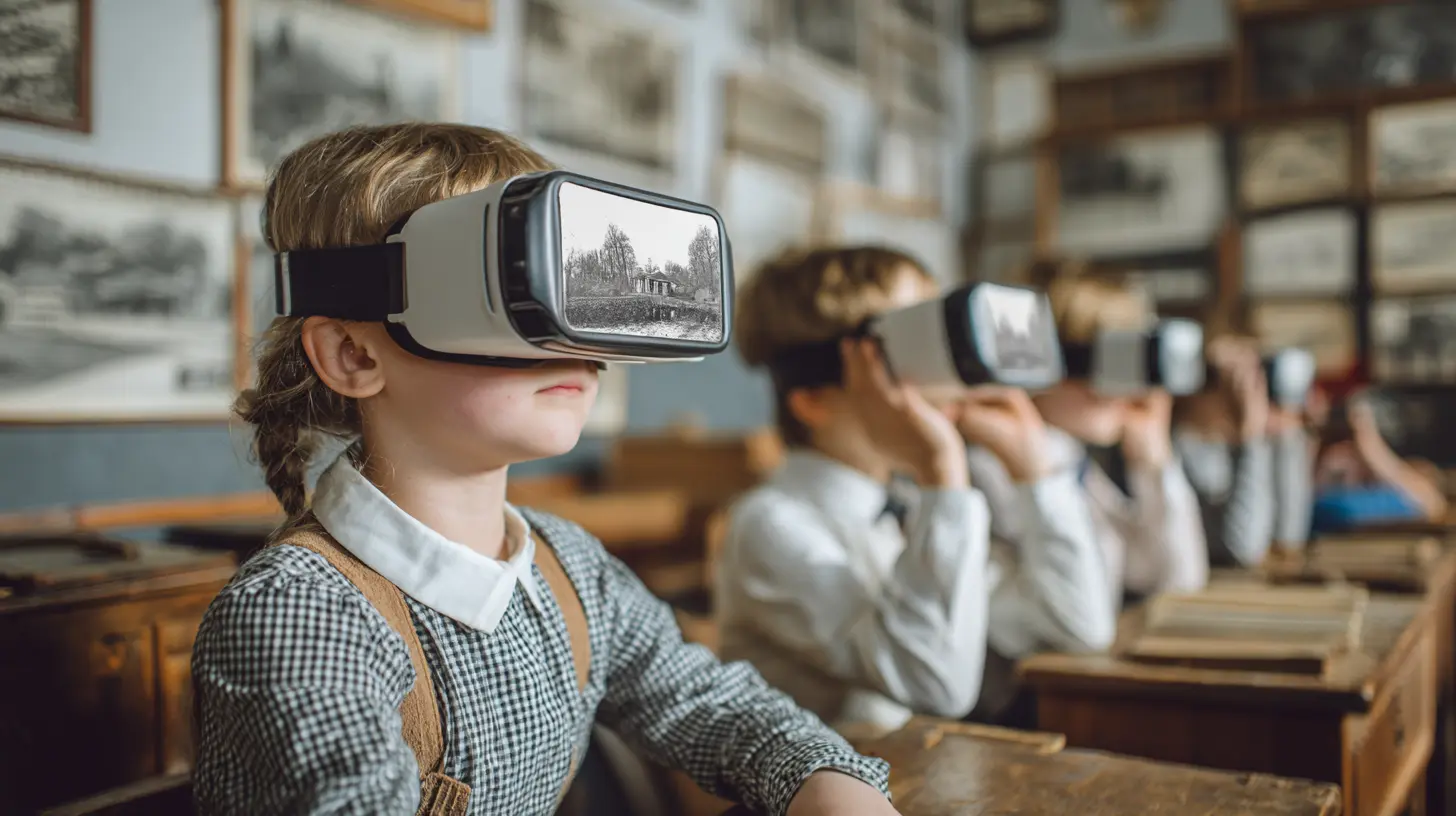
Let us be honest for a second. Traditional field trips have serious problems. For one, they are expensive. A single trip to a state capital or a historical park can cost thousands of dollars in bus rental, admission fees, and substitute teacher pay. Many schools simply cannot afford it. That means a huge number of students never get these experiences.Then there is the logistics. Permission slips get lost. Kids get sick. Weather ruins everything. You plan for months, and then a thunderstorm forces you to cancel. And even when everything goes perfectly, you are often rushed. You get twenty minutes in a gallery that deserves three hours. You see a glass case with a dusty artifact, but you have no context for how it was used or who used it.
Virtual field trips solve all of this. They are cheap. They are always available. And they let you dig deep. Instead of a quick glance at a sword behind glass, you can pick it up in VR, feel its weight, and see the nicks from battle. It is a shift from passive observation to active participation.
The Tech That Makes It Possible
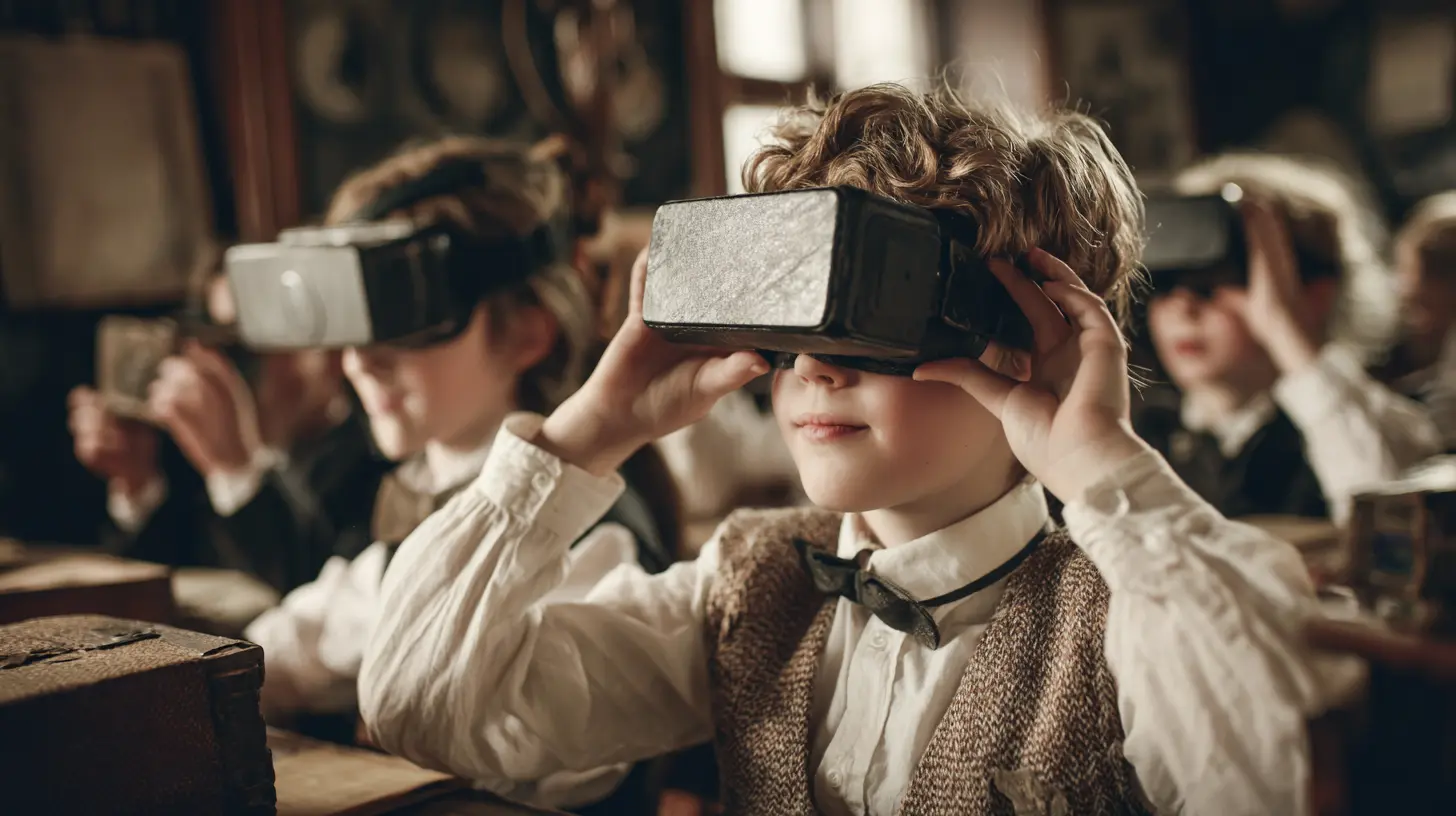
What changed between now and 2027? A few key things. First, the hardware got good. The bulky, expensive VR headsets of the past are gone. Now, you have lightweight glasses that cost less than a textbook. Many schools are buying them in bulk. But more importantly, the software got smart.We are not talking about a 360-degree video where you just look around. That is old news. The new generation of immersive history uses something called volumetric capture and real-time AI rendering. Imagine a historian in a studio wearing a suit covered in sensors. They walk around a reconstructed Roman forum. Every movement, every gesture, every facial expression is recorded. That data is then placed into a virtual environment that changes based on your actions.
You can ask a question out loud. The AI historian hears you, processes your question, and responds in character. You are not just watching a movie. You are having a conversation with a person from the past. It is unsettling at first. But it works. Students remember conversations, not lectures.
Another huge shift is the use of photogrammetry at scale. Teams have spent the last few years scanning every major historical site on the planet. The pyramids, the Great Wall, the Palace of Versailles. They are all digitized down to the millimeter. You can zoom in on a chisel mark in a stone block and see the tool that made it. This level of detail was impossible before.
How a Virtual Field Trip Actually Works in 2027
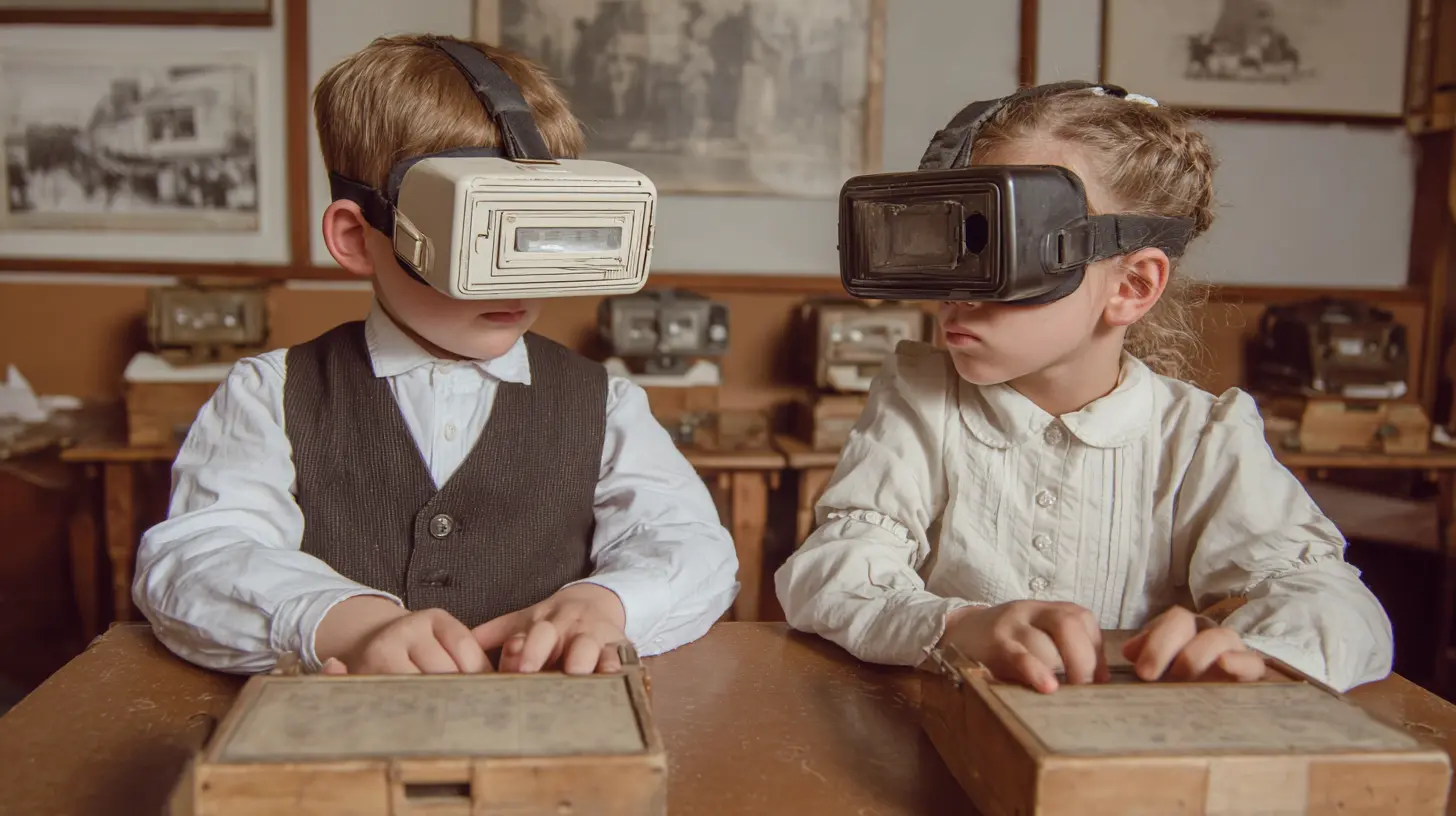
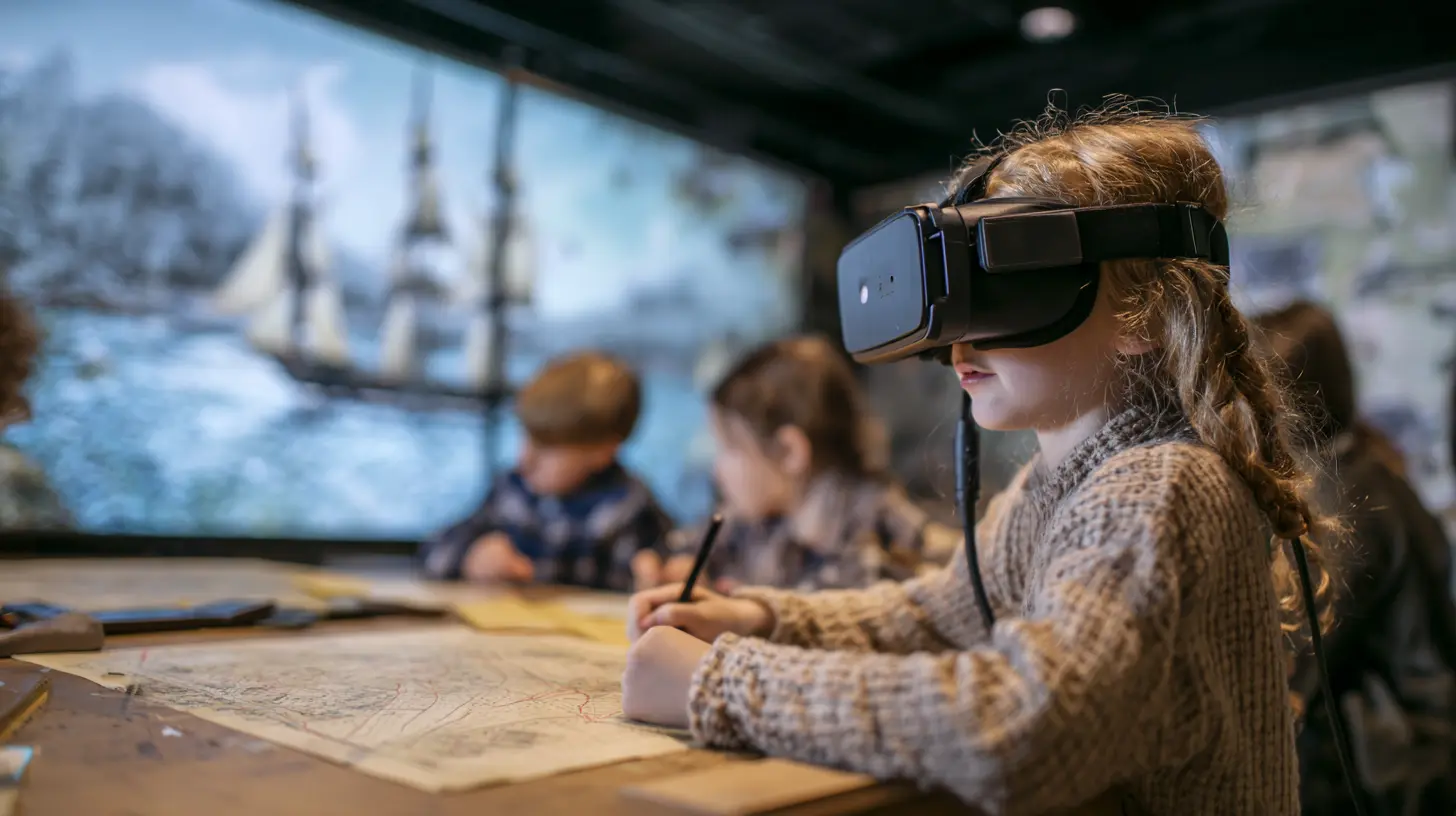
Let me walk you through a typical session. A class in rural Iowa is studying the American Revolution. Instead of reading a textbook chapter, the teacher logs into a platform. She selects the "Winter at Valley Forge" experience. Within seconds, every student puts on their headset. They are not in Iowa anymore. They are standing in the snow. It is cold. They can see their breath.The students are not passive observers. They are assigned roles. One student is a soldier with a frozen musket. Another is a surgeon trying to save a man's leg. A third is a messenger trying to get supplies through the snow. They have to make decisions. Do they forage for food? Do they try to desert? Do they trust their commander?
The AI characters react to their choices. If a student makes a bad decision, the soldier might die. It sounds harsh, but it teaches a lesson that no textbook can. You feel the weight of history. You understand that these were real people facing impossible odds. After the session, the students are not bored. They are fired up. They have arguments about what they should have done differently.
This is the power of immersion. It bypasses the analytical brain and goes straight to the emotional core. And we know from neuroscience that emotional experiences are remembered much longer than dry facts.
Breaking Down the Barriers of Cost and Access
You might be thinking, "This sounds expensive." But the math works out in a surprising way. A single physical field trip for a class of thirty students can easily cost one to two thousand dollars. That buys a lot of bus rental and admission. A VR headset costs around three hundred dollars now. And the software subscription for a whole year is less than the cost of one bus trip.So for the price of two physical field trips, a school can buy a set of headsets and give every student access to hundreds of virtual trips for the entire year. That is a no-brainer for budget-strapped districts. More importantly, it levels the playing field. A student in a poor rural district can now visit the same places as a student in a wealthy private school. They can walk the halls of the Louvre. They can stand on the beaches of Normandy.
This is not just about equality. It is about exposure. Many kids never leave their hometown. Their entire world is a small radius around their house. Virtual field trips explode that radius. They show kids that the world is big and weird and wonderful. That alone is worth the investment.
The Rise of "Living History" Avatars
One of the most controversial and fascinating developments is the use of AI to create "living history" avatars. These are not generic characters. They are digital reconstructions of specific historical figures, built from letters, diaries, and portraits. Imagine having a conversation with Abraham Lincoln. Not a caricature, but a version of Lincoln that speaks with his vocabulary, his humor, and his sadness.Developers have fed thousands of pages of primary source documents into large language models. The AI then mimics the person's speech patterns and knowledge. You can ask Lincoln about his depression. You can ask him about his wife. You can ask him about why he hesitated to free the slaves. The answers are not canned. They are generated in real time based on the data.
Is it perfect? No. There are ethical concerns. Who decides what Lincoln "would have said"? But for educational purposes, it is incredibly powerful. Students stop seeing these people as bronze statues. They see them as humans. They see the doubt. They see the fear. That is real history.
But What About the Real Thing?
A common criticism is that virtual reality cannot replace the feeling of actually being there. And that is true. You cannot smell the old stone of a cathedral. You cannot feel the chill of a cave. You cannot touch the rough wood of a pioneer cabin. But here is the thing: most students never get to do those things anyway.The "real thing" is a luxury. A privilege. Virtual reality does not replace it. It democratizes it. It gives a taste of the real thing to millions of students who would otherwise get nothing. And for many subjects, the virtual version is actually better. You cannot see the inside of a medieval castle's walls. You cannot watch a blacksmith forge a sword in a museum. But you can in VR.
Think of it like this. A textbook picture of the Mona Lisa is a terrible substitute for the painting itself. But a high-resolution zoomable image on a screen is arguably better for studying the brushstrokes. You can see details that are invisible to the naked eye in the crowded museum. VR is the same. It gives you a perspective that a physical visit cannot.
The Classroom of 2027: A Hybrid Model
I am not saying that every school will throw away their buses and never leave the building. That would be silly. Physical field trips still have a place. A trip to a local park or a local government building is still valuable. But for the big stuff, the faraway stuff, the stuff that is dangerous or fragile, VR is the answer.The smartest schools are adopting a hybrid model. You use VR to build context and excitement. Then, if you can, you go see the real thing. The contrast is powerful. You have already walked the virtual battlefield. Now you stand on the actual grass. You know the story. You feel the ghosts.
This hybrid approach also solves the "attention span" problem. Kids today are used to high-stimulation digital environments. A static museum exhibit can feel boring. But if you have already "lived" the history in VR, you walk into the museum with a story in your head. You are not just looking at artifacts. You are looking for evidence of the story you experienced. It turns a passive visit into an active investigation.
What This Means for Teachers
Let us talk about the elephant in the room. This technology changes the teacher's role. A teacher is no longer just a lecturer. They become a guide, a curator, a facilitator. They do not need to know every detail about the Battle of Thermopylae. They just need to know how to launch the simulation and then ask the right questions."Did you trust the general? Why? What would you have done differently?"
Those are the kinds of questions that spark real learning. The VR does the heavy lifting of providing the experience. The teacher provides the reflection. This is actually a better use of a teacher's skills. It moves them away from being a talking head and toward being a mentor.
Of course, this requires training. You cannot just hand a teacher a headset and say "go." But the platforms in 2027 are designed to be intuitive. A teacher can set up a whole semester of field trips in thirty minutes. They can mix and match experiences. They can even create custom tours using the existing assets.
The Dark Side: Motion Sickness and Screen Time
No technology is perfect. VR still causes motion sickness in some people. The new headsets are better, but it is not solved. Schools need to have backup plans for students who cannot handle the immersion. Usually, they just watch the same experience on a regular screen. It is not as good, but it works.Then there is the screen time concern. Are we really solving a problem by putting kids in front of another screen? It is a fair question. The answer is that not all screen time is equal. Staring at a TikTok feed is passive consumption. Walking through a virtual ancient city is active exploration. The brain processes them differently. But yes, breaks are needed. A good VR session is intense. Thirty minutes is usually enough. You need to come up for air.
There is also the risk of sanitization. If a company controls the content, they control the narrative. Who decides which history is shown? Who decides which perspective is taken? This is a real issue. The best platforms are transparent about their sources. They let you see the primary documents that the simulation is based on. But teachers must remain vigilant. You cannot just trust the software.
The Future Beyond 2027
Looking ahead, the trend is accelerating. By 2030, we will likely have haptic gloves that let you feel textures. You will be able to touch the rough stone of a pyramid or the smooth steel of a knight's armor. Some labs are already working on smell generators. Imagine a history lesson where you can smell the spices of a 15th-century marketplace.The technology will also get more personalized. An AI tutor will watch what you do in the simulation. If you seem confused about a concept, it will pause the action and explain it. If you are bored, it will ramp up the challenge. It will adapt to your learning style in real time.
This is not about replacing history. It is about making history alive. We have spent centuries trying to bring the past to students through books and lectures. It was a losing battle for most kids. The past felt dead. It felt irrelevant. Now, with immersive technology, the past is a place you can visit. You can walk its streets. You can talk to its people. You can feel its pain and its joy.
And that changes everything.
The bus is still rolling, but it is a virtual bus now. And the destination is anywhere you want. So ask yourself: if you could go anywhere in history, where would you go? The answer is no longer a fantasy. It is a lesson plan.
all images in this post were generated using AI tools
Category:
History LearningAuthor:

Zoe McKay
Discussion
rate this article
2 comments
Lucy Russell
Exciting future for learning!
September 2, 2026 at 3:07 AM
Zoe McKay
Absolutely! The possibilities for engaging learning experiences are limitless.
Jamie Fuller
This sounds exciting! Virtual field trips will transform how we experience history.
May 18, 2026 at 3:55 AM
Zoe McKay
I'm glad you think so! It's amazing how technology can change our perspective on history.