How to Transition Back Home After Your Study Abroad Experience
10 February 2026
Studying abroad is exhilarating—it's a whirlwind of new cultures, friendships, and personal growth. But what about coming back home? The transition can feel just as overwhelming as leaving in the first place. After months or even years of living in a different country, returning home might feel...well, different.
If you're struggling with reverse culture shock, re-adapting to old routines, or feeling like an outsider in your own hometown, you're not alone. In this guide, we’ll dive into the challenges of returning home after studying abroad and how to navigate this transition smoothly. 
1. Understanding Reverse Culture Shock
You’ve heard of culture shock when moving to a new country, but did you know there’s an opposite version? Reverse culture shock happens when you come back home and realize that you’ve changed, but your home might not have.Signs of Reverse Culture Shock:
- Feeling disconnected from family and friends- Frustration with routines that once felt normal
- Longing for the independence or pace of life from abroad
- Nostalgia for the people, food, and experiences of your host country
The key to overcoming reverse culture shock is recognizing that it’s completely normal. Just like it took time to adjust to life abroad, it’ll take time to adjust back home. 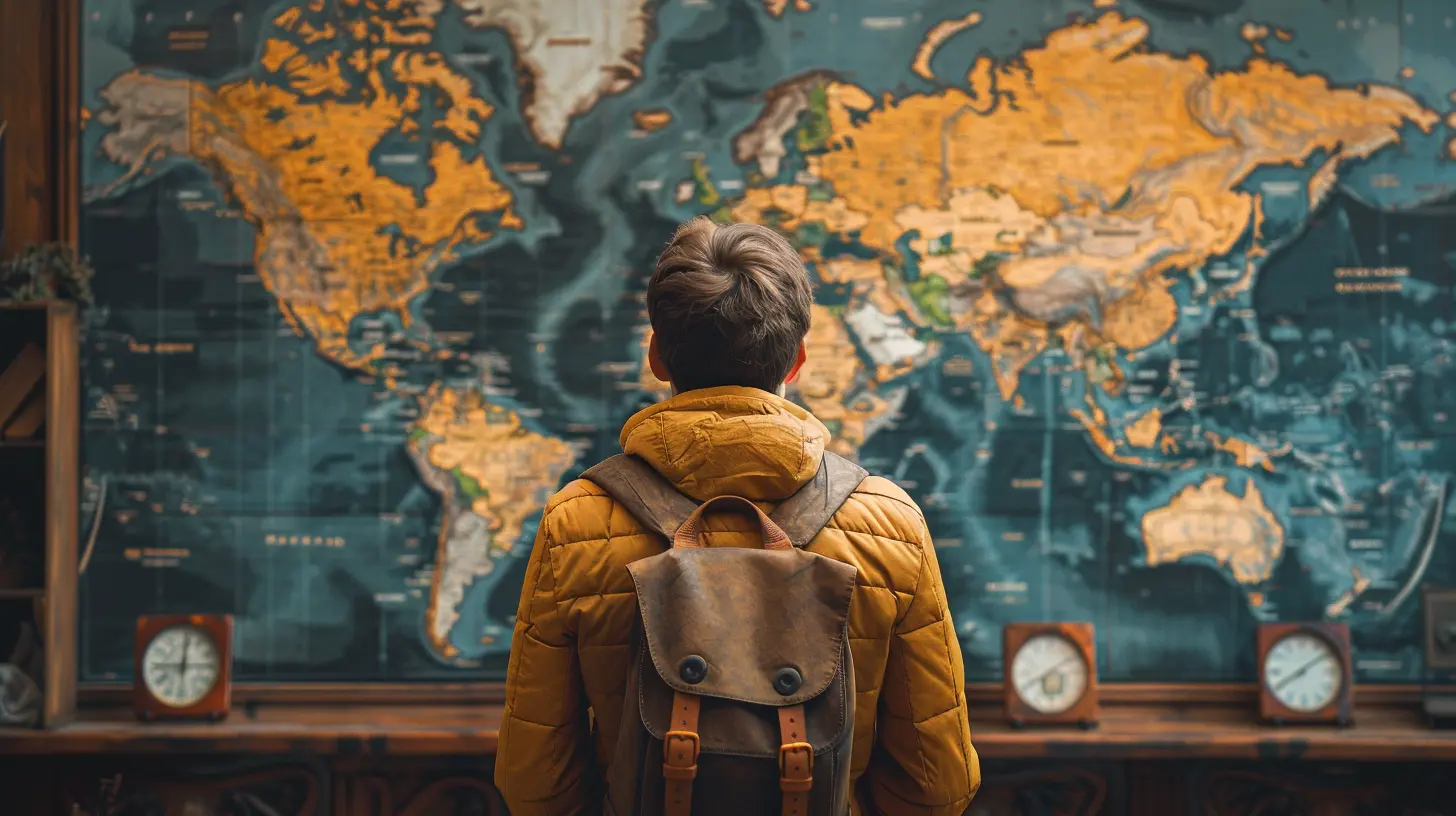
2. Give Yourself Time to Adjust
You didn’t adapt to a new culture overnight, so don’t expect to settle back in instantly either. It’s okay to feel out of place at first.What Can Help?
- Be patient with yourself. Adjusting takes time, and feeling weird about being home is part of the process.- Let yourself grieve. Missing your study abroad life means it was meaningful. It’s okay to feel sad about leaving it behind.
- Avoid idealizing the past. It’s easy to romanticize your time abroad, but remember that every place has its highs and lows.
3. Stay Connected with Your Study Abroad Life
Just because you're back home doesn’t mean you have to "move on" completely. Staying connected can make the transition easier.Ways to Keep the Connection Alive:
- Keep in touch with friends from abroad. Whether it’s a quick video call or a group chat, staying in contact helps maintain those relationships.- Follow news and events from your host country. It keeps you engaged with the place that became your second home.
- Cook your favorite international dishes. Bringing flavors from your host country into your own kitchen can be a great comfort.

4. Find People Who Get It
Not everyone at home will fully understand what you've been through. Some friends might listen, but they won’t grasp the depth of your experiences.Where to Find Like-Minded People:
- Join study abroad alumni groups. Universities often have networks where you can share experiences with others who have been through the same transition.- Connect with international communities. Whether online or in your hometown, finding people who share your love for global experiences can be comforting.
- Volunteer or mentor future study abroad students. Your insights can help others, and in turn, you’ll stay connected to the experience.
5. Redefining "Home"
One of the biggest realizations after studying abroad is that "home" isn’t just one place anymore. You've grown, and your perspective has expanded.How to Embrace the New You:
- Accept that change is normal. Your experiences abroad shaped you, and that’s a good thing.- Mix the old with the new. Incorporate parts of your study abroad life into your routines, whether it’s a foreign language habit, a new appreciation for public transport, or a love for a different cuisine.
- Find new challenges. If life at home feels slow compared to your study abroad days, take up something exciting—maybe a new hobby, language, or project.
6. Managing Expectations with Family and Friends
One of the hardest adjustments? Realizing your relationships at home may feel...different.Common Challenges:
- People expect you to be the same. But you’ve grown, and that might cause some disconnect.- Friends may not be as interested in your stories as you’d like. They mean well, but they weren’t there—so they might not fully understand.
- Family routines might feel restrictive. If you enjoyed independence abroad, moving back into a family home can be an adjustment.
How to Handle It:
✔ Communicate openly. Let your family and friends know how you feel and what you need.✔ Be mindful of their perspective too. While you were off having life-changing experiences, their lives carried on too.
✔ Find a balance between sharing and listening. Talk about your experiences, but also engage in their lives to reconnect.
7. Avoid the Post-Travel Slump
After an adventure-filled life abroad, coming home might feel...boring. But that doesn’t mean life stops being exciting!How to Keep the Excitement Alive:
- Plan local adventures. Explore your hometown with the same curiosity you had abroad.- Set new goals. Whether it’s career-related, academic, or personal growth, having a goal keeps you motivated.
- Continue learning. If you picked up a new language, skill, or habit abroad—keep it up!
8. Consider Your Next Steps
If your time abroad made you fall in love with international experiences, why stop there?Options for Keeping the International Spirit Alive:
✔ Look into international job opportunities. Many companies value candidates with global experience.✔ Consider working or studying abroad again. There are tons of scholarships, work visas, and programs that let you continue the journey.
✔ Volunteer abroad. If finances are tight, volunteering can be a cost-effective way to travel again.
The key is realizing that your study abroad experience doesn’t have to be the end—it can be the beginning of a globally connected life.
9. Final Thoughts: You’re Not Alone
The transition home can be tough, but you’re not alone in feeling this way. The emotional challenges, the excitement, the nostalgia—it’s all part of the process.Give yourself time, stay connected, and embrace the new perspective you’ve gained. Your journey doesn’t have to stop just because you’re home. It’s just another chapter in your story.
all images in this post were generated using AI tools
Category:
Study AbroadAuthor:

Zoe McKay
Discussion
rate this article
2 comments
Sabrina Bell
Returning home isn’t a setback; it’s a fresh chapter. Embrace the change, share your stories, and let your global perspective redefine your future. Own it!
March 17, 2026 at 1:40 PM
Zoe McKay
Thank you! Embracing the change is key to turning this transition into an enriching opportunity. Your insights are inspiring!
Phaedron McBride
I'm really intrigued by the challenges of transitioning back home after studying abroad! What are some unexpected feelings or experiences others have faced during this adjustment period? Would love to hear more insights!
February 15, 2026 at 6:04 AM
Zoe McKay
Returning home can bring a mix of nostalgia, culture shock, and even isolation. Many feel a sense of disconnect from friends and family who don’t share their experiences. It's common to grapple with reverse culture shock and the challenge of reintegrating into familiar routines while yearning for the excitement of studying abroad. Engaging with fellow returnees and sharing experiences can help navigate this transition.