How the Silk Road Connected the World
15 January 2026
The Silk Road wasn't just a trade route; it was the internet of the ancient world. It connected continents, cultures, ideas, and economies, shaping history as we know it. Imagine a vast network of roads, stretching from China to Europe, where merchants, monks, warriors, and nomads all crossed paths, exchanging not just goods but also knowledge, beliefs, and innovations.
But how did this ancient highway truly unite the world? And why does it still matter today? Let’s take a journey down the Silk Road and uncover how it forged connections that reshaped civilizations.
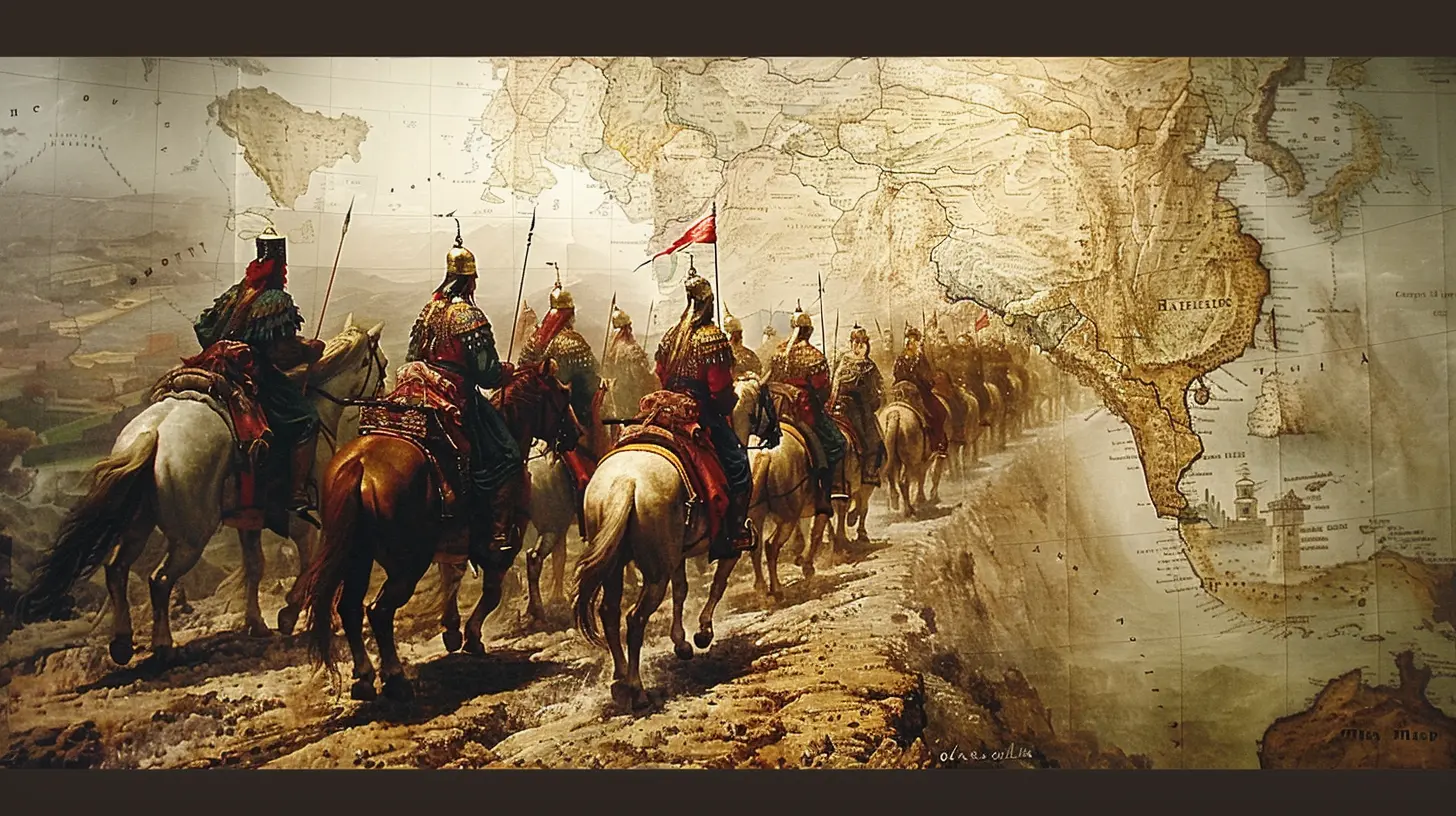
The Birth of the Silk Road
The Silk Road emerged during the Han Dynasty, around 130 BCE, when China sought to expand its trade with the rest of the world. At its core was silk, a luxurious fabric so desirable that it became a form of currency. But silk was just the beginning—spices, precious metals, glassware, and even exotic animals all traveled along this route.It wasn’t a single path but rather a web of interconnected routes spanning over 4,000 miles, linking China, Central Asia, the Middle East, and Europe. The journey was long and treacherous, filled with dangers like bandits, harsh deserts, and unpredictable weather. Yet, despite these risks, traders and travelers continued to press forward, driven by the promise of wealth and discovery.
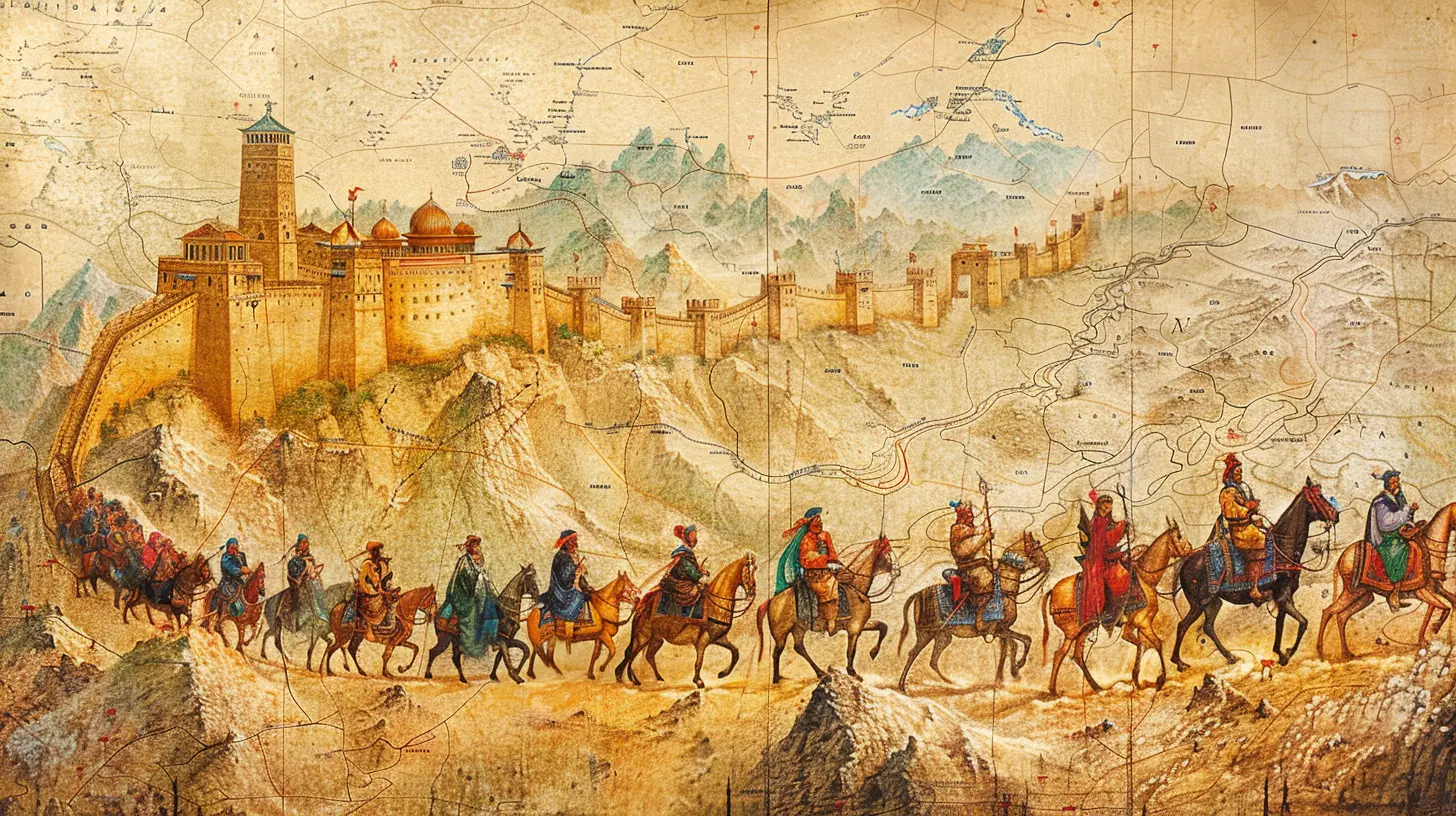
More Than Just Trade: A Highway for Ideas
The Silk Road wasn’t just about goods—it was about ideas. Think of it as a melting pot where the world’s civilizations blended together.Religious Exchange
Buddhism, born in India, spread across Asia, reaching as far as China and Japan thanks to the Silk Road. Monks traveled alongside merchants, carrying sacred texts and teachings. At the same time, Islam, Christianity, and Zoroastrianism found new followers as they moved through different regions.This religious exchange didn’t just spread beliefs—it shaped cultures. Buddhist monasteries flourished along the route, influencing art, architecture, and even local customs in places like Dunhuang, a key Silk Road city in China.
Scientific and Technological Advancements
Have you ever thought about where paper, the printing press, or gunpowder came from? Many of these innovations originated in China and found their way to the West through the Silk Road.- Paper-making, first developed in China, reached the Islamic world and later Europe, revolutionizing communication and record-keeping.
- Gunpowder, a Chinese invention, changed the course of warfare worldwide.
- The Compass, crucial for navigation, reached Europeans, paving the way for the Age of Exploration.
These inventions altered history, proving that the Silk Road was more than just a commercial route—it was a bridge of innovation.
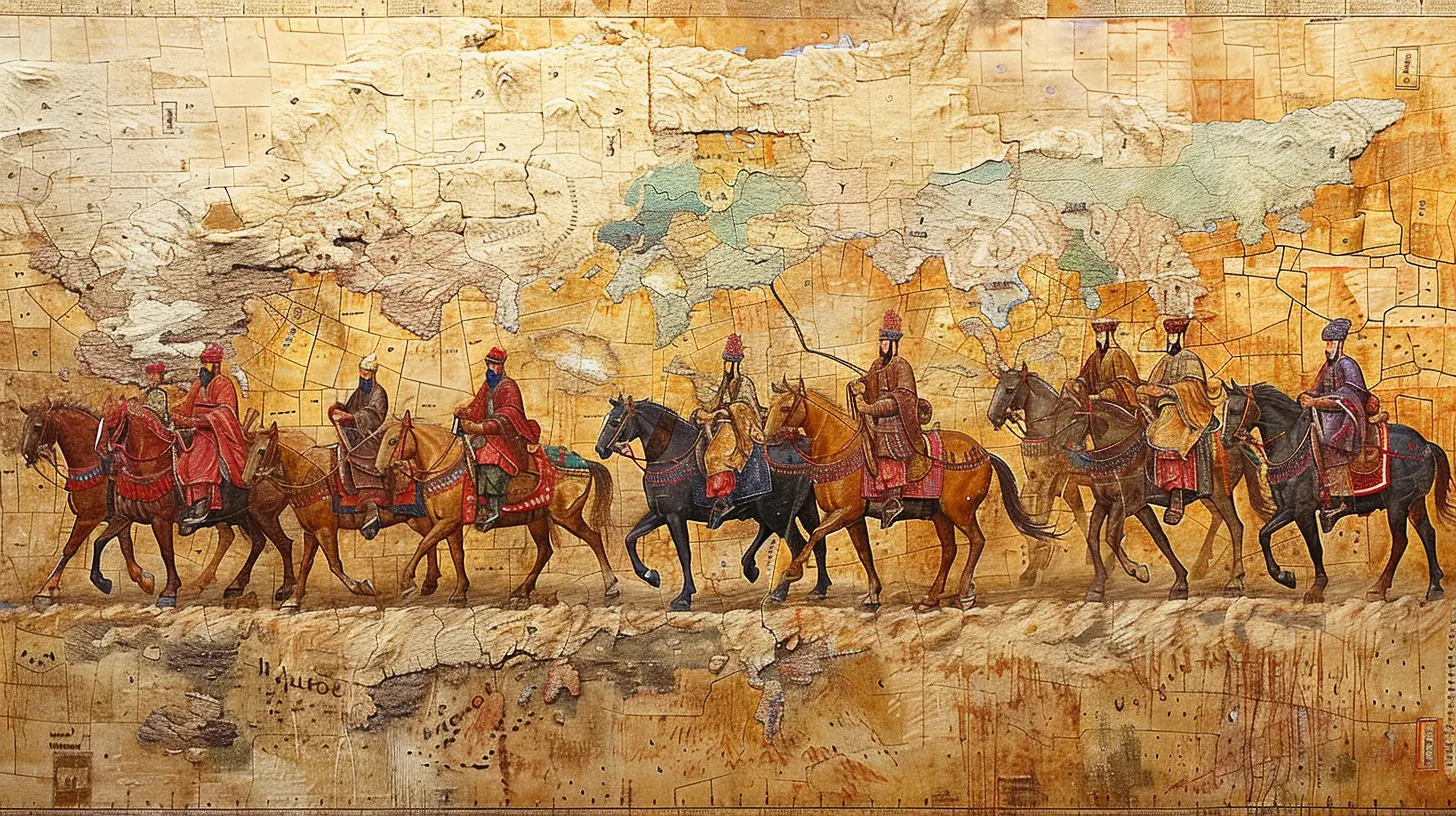
Cultural Fusion: The World Blends Together
The Silk Road wasn’t merely about the movement of goods and knowledge; it was about people, traditions, and lifestyles blending together.Language and Literature
With traders from multiple regions interacting daily, languages began to mix. Persian, Arabic, Chinese, and Sanskrit words found their way into different dialects. Literature flourished as well—stories from India, China, and Persia influenced each other, shaping tales that would later be compiled into works like One Thousand and One Nights.Fashion and Food
Silk garments from China adorned the elites in Rome and Persia, while Central Asian horsemen introduced their distinctive riding gear to the West. Even something as simple as noodles made their way from China to Italy—possibly influencing the creation of pasta. The exchange of food ingredients and culinary techniques led to dishes we still enjoy today, from Persian spices enriching Chinese cuisine to Mediterranean flavors influencing Indian dishes.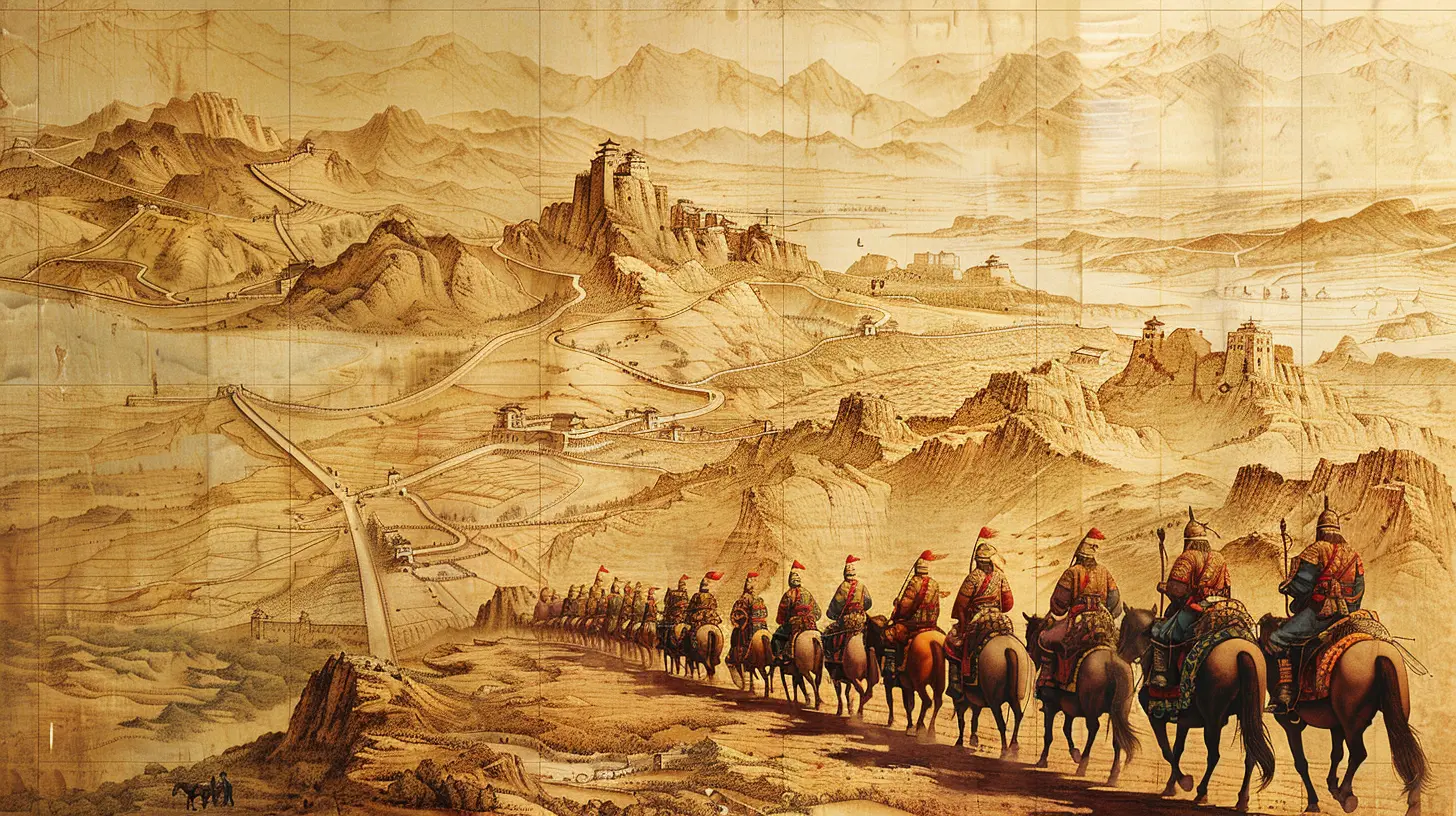
The Role of Empires in Strengthening Connections
Empires played a crucial role in maintaining and expanding the Silk Road.- The Roman Empire craved Chinese silk, fueling trade between East and West.
- The Byzantine Empire inherited trade connections, keeping commerce alive even after Rome fell.
- The Mongol Empire, under Genghis Khan, created one of the most secure and efficient Silk Road periods. They protected travelers, standardized trade practices, and even established postal systems to speed up communication.
During the Mongol era, merchants and scholars enjoyed unprecedented freedom to travel, leading to some of history’s greatest explorers—like Marco Polo—venturing deep into Asia and bringing back tales of wealth and wonder.
The Downfall and Resurgence of the Silk Road
Like all great things, the Silk Road eventually declined. With the rise of sea-based trade routes in the 15th century, merchants shifted their focus to maritime travel. The discovery of new sea routes by European explorers made long and dangerous overland journeys less appealing. Additionally, political instability and the collapse of key empires weakened its influence.However, the Silk Road never truly vanished. Its impact remains, and in modern times, initiatives like China’s Belt and Road Initiative (BRI) aim to revive and modernize these ancient trade connections.
Why the Silk Road Still Matters Today
The spirit of the Silk Road lives on. Today’s globalized world mirrors the interconnectedness of ancient trade routes. The exchange of ideas, cultures, and commerce continues, proving that humanity thrives on connection.Think about the internet—it connects people across the world, much like the Silk Road once did. Just as traders exchanged silk for spices, we now exchange knowledge, services, and technology in an instant.
Understanding the Silk Road isn’t just about looking at the past; it’s about recognizing how deeply interconnected our world has always been. The alliances, innovations, and cultural exchanges from this ancient route still shape our lives today.
So next time you send an email overseas, order something from another continent, or enjoy a dish with ingredients from across the globe, remember—you’re part of a tradition that started thousands of years ago on the Silk Road.
all images in this post were generated using AI tools
Category:
History LessonsAuthor:

Zoe McKay
Discussion
rate this article
2 comments
Caleb McAllister
The Silk Road was crucial in fostering cultural exchange and trade, shaping economies and societies across continents in remarkable ways.
February 26, 2026 at 4:26 AM
Zoe McKay
Absolutely! The Silk Road was instrumental in connecting diverse cultures and facilitating trade, significantly influencing economies and societies across continents.
Keira Mitchell
The Silk Road was vital for cultural exchange, trade, and innovation, shaping interconnected civilizations throughout history.
January 16, 2026 at 4:35 AM
Zoe McKay
Absolutely! The Silk Road was crucial in linking diverse cultures, facilitating trade, and fostering innovation, ultimately shaping the development of interconnected civilizations across history.