How the Digital Archives of 2026 Are Transforming History Classes
8 May 2026
Let me paint you a picture. It is a Tuesday morning in a high school history class. The teacher asks a question about the fall of the Berlin Wall. Instead of flipping to a textbook page with a black-and-white photo, a student pulls up a holographic timeline on her tablet. She zooms in on a street-level video clip recorded by a teenager in 1989. She hears the crowd chanting, sees the graffiti on the concrete, and reads a handwritten diary entry from someone who was there, scanned and uploaded just last year.
This is not science fiction. This is the reality of history classrooms in 2026. And it is changing everything about how we learn the past.
Why Digital Archives Matter More Than Ever
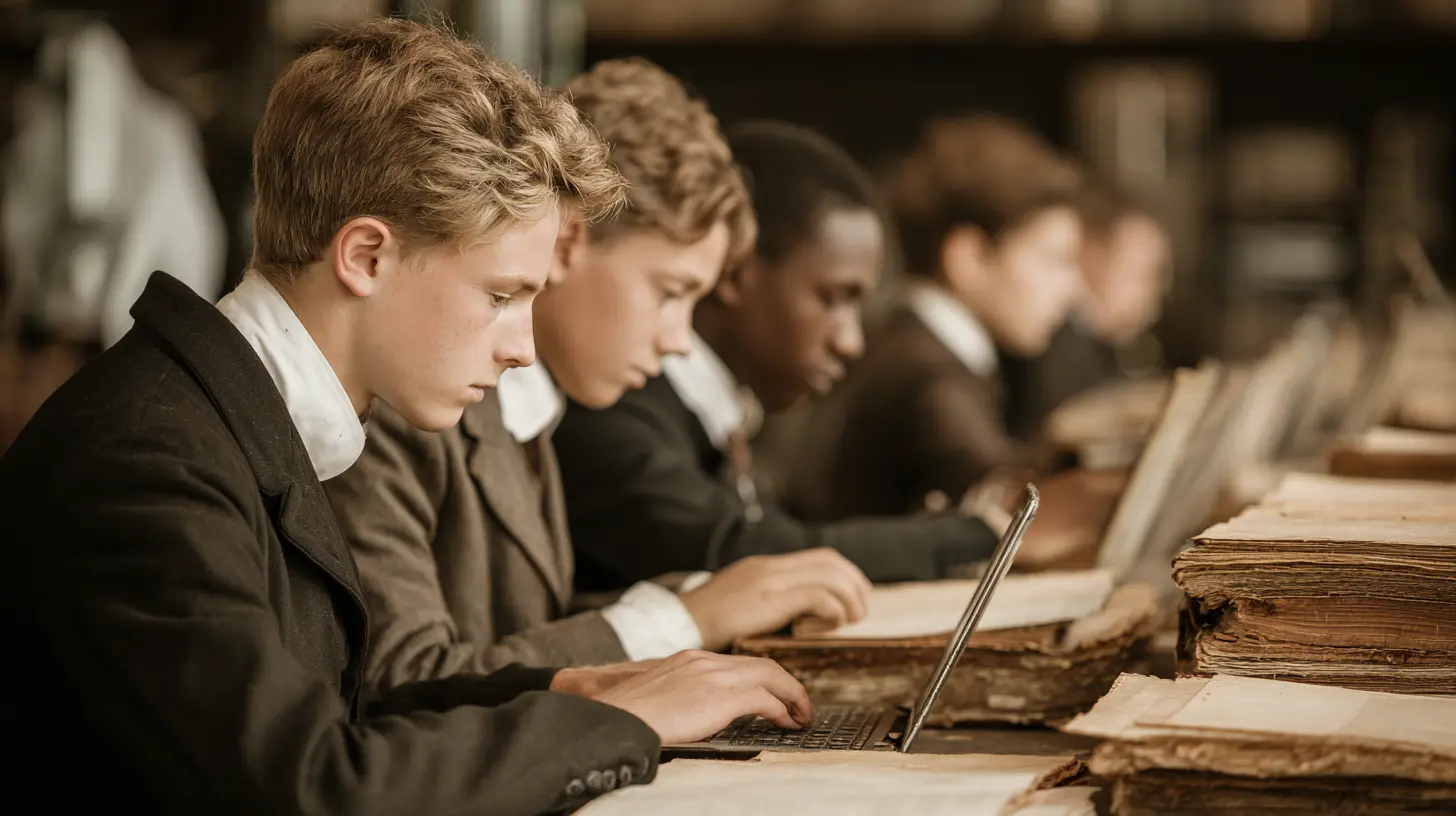
Think about how you learned history. I am guessing it involved a lot of dates, names, and maybe a dusty textbook that smelled like a basement. You memorized the order of presidents or the causes of a war, but did you ever feel like you were there? Probably not. That is the old way.The digital archives of 2026 are not just online libraries. They are living, breathing collections of primary sources that let students walk through history instead of just reading about it. We are talking about millions of documents, photographs, audio recordings, and 3D scans that anyone can access from a school computer or a phone. The shift is massive. And it is making history class feel less like a lecture and more like a time machine.
Here is the core truth: history is not a list of facts. It is a story. And digital archives give students the raw materials to tell that story themselves. They become detectives, not just listeners. They get to ask "why" and "how" instead of just "what happened."
The New Tools in the Classroom
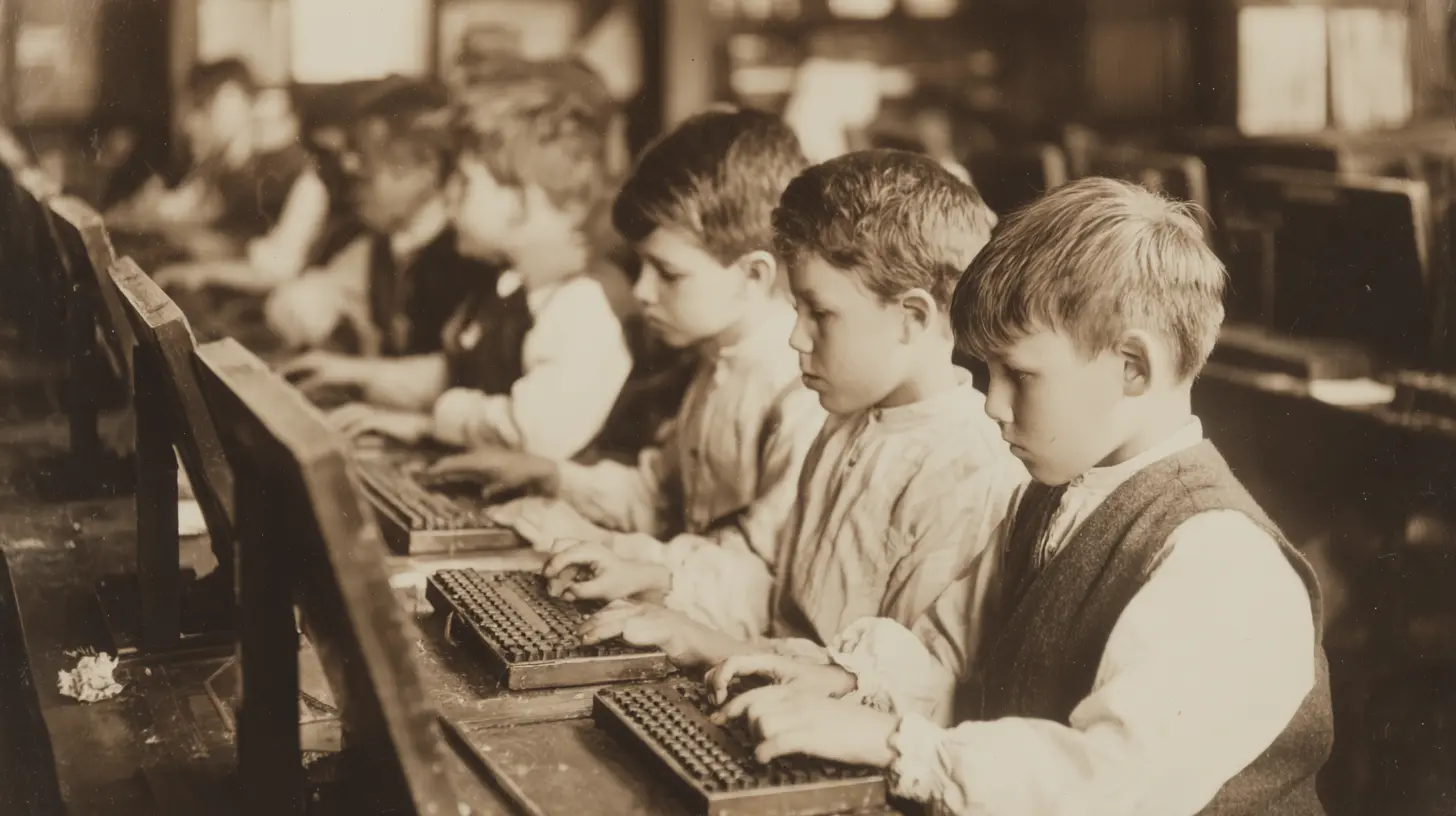
So what exactly does a digital archive look like in 2026? It is not just a clunky website with scanned PDFs. The tools have gotten smarter. Way smarter.First, you have AI-assisted search engines that understand context. If a student types "daily life during the Great Depression," the system does not just pull up generic articles. It finds personal letters, government memos, radio broadcasts, and even grocery receipts from the 1930s. The algorithm learns what the student is looking for and suggests connections they might have missed.
Second, there are virtual reality (VR) environments built from archival data. Museums and universities have collaborated to create immersive spaces. A student can put on a headset and stand in a 1920s speakeasy, listen to jazz from a crackling phonograph, and read the original prohibition laws posted on the wall. It is one thing to read about the Roaring Twenties. It is another to feel the floorboards creak under your feet.
Third, we have collaborative annotation tools. Students can highlight a primary source document, add their own comments, and see what classmates in other countries are saying about the same text. A kid in Tokyo can discuss a World War II letter with a kid in Berlin. The archive becomes a global conversation.
How This Changes the Way Teachers Teach
If you are a teacher, you might be thinking, "This sounds great, but how do I even start?" That is a fair question. The digital archives of 2026 are not meant to replace teachers. They are meant to make them more powerful.Instead of spending hours photocopying worksheets, a teacher can curate a custom collection of sources for a single lesson. They can pull a newspaper article from 1865, a photograph from 1963, and a podcast interview from 2020. The lesson plan writes itself around the evidence. And because the archives are updated in real time, the material is never stale.
Teachers are also using archives to teach critical thinking. Here is the trick: not every source in an archive is reliable. Some are biased. Some are outright lies. In 2026, students learn to question everything. They compare a government report with a personal diary from the same event. They ask who wrote it, why, and who was left out. This is not just history. This is media literacy. And it is a skill that matters more than ever in a world full of misinformation.
Real Examples You Can Use Right Now
Let me give you some concrete examples of how digital archives are being used in actual classrooms this year.In one middle school, students are studying the Civil Rights Movement. Instead of just reading about Martin Luther King Jr., they access the King Center's digital archive. They watch his "I Have a Dream" speech in high definition. But then they also look at the FBI's surveillance files on him. They see how the government watched him, tracked his movements, and tried to discredit him. The students are shocked. They start asking questions like, "Why was the government afraid of someone who wanted equality?" That is the kind of deep learning that a textbook cannot spark.
In a high school in Texas, students are using the Library of Congress's digital collection to study the Dust Bowl. They look at photographs by Dorothea Lange. They listen to folk songs recorded by Woody Guthrie. They read letters from farmers who lost everything. Then they write a fictional diary entry from the perspective of a child living through it. The teacher says the quality of the writing has improved dramatically because the students feel connected to the people in the sources.
And here is another example: a college history class is studying the Cold War. They use a digital archive of declassified Soviet documents. They read the actual memos between Khrushchev and Kennedy during the Cuban Missile Crisis. They see the tension in the language. They realize how close the world came to nuclear war. One student said, "I used to think history was boring. Now I feel like I am inside a spy movie."
The Emotional Impact of Seeing the Past
There is something powerful about seeing history through the eyes of real people. Digital archives bring out emotions that textbooks never can. When a student sees a handwritten letter from a soldier in World War I, with smudged ink and tear stains, it hits differently. It is not abstract. It is human.I remember talking to a teacher who showed her class a digital archive of Holocaust survivor testimonies. The students watched a video of an elderly woman describing her experience as a child in hiding. One student started crying. The teacher did not stop the class. She let the emotion happen. She said, "This is history. It is not a story. It is someone's life."
That emotional connection is why digital archives are transforming history classes. They make the past feel alive. They make students care. And when students care, they remember.
Challenges Teachers Still Face
Now, I do not want to pretend everything is perfect. There are still challenges. Not every school has the budget for VR headsets or fast internet. Some rural areas struggle with bandwidth. And some teachers feel overwhelmed by the sheer amount of material available. How do you choose what to show when there are millions of sources?The answer is training. Schools are starting to offer workshops on how to integrate digital archives into lesson plans. Librarians are becoming digital archivists, helping teachers find the best sources. And many archives now have "educator guides" that highlight specific collections for different grade levels.
Another challenge is bias. Digital archives are not neutral. They are created by institutions with their own perspectives. A collection from a government archive might downplay certain events. A collection from a private foundation might push a political agenda. Teachers have to teach students to spot these biases. But honestly, that is a good thing. It makes students smarter consumers of information.
The Future of History Class
So where is this heading? By 2027 or 2028, I suspect we will see even more integration. Imagine a history class where students can use augmented reality to overlay historical maps onto their current city. They walk down a street and see what it looked like in 1900. They hear audio recordings of people talking about the old neighborhood. The archive is not just in the classroom. It is everywhere.We might also see more student-created archives. Kids are already scanning family photos and uploading them to community archives. They are documenting their own lives for future historians. That is a huge shift. History is no longer just written by the powerful. It is written by everyone.
And let us not forget the role of artificial intelligence. AI can already generate realistic historical voices based on archival recordings. Imagine a student asking a question to a simulated version of Abraham Lincoln, created from his letters and speeches. It is not the same as the real thing, but it is a powerful tool for engagement.
Why This Matters for You
You might be reading this and thinking, "Okay, but I am not a teacher or a student. Why should I care?" Well, because digital archives are not just for schools. They are for everyone. If you are curious about your family history, you can access census records, immigration documents, and old newspapers. If you are writing a novel set in the 1970s, you can listen to radio broadcasts from that era. If you just want to understand why your town has a certain name, you can dig into local archives.History is not a subject you leave behind after graduation. It is a tool for understanding the world. And digital archives make that tool available to anyone with a screen.
A Final Thought
Let me leave you with this. The digital archives of 2026 are not just transforming history classes. They are transforming how we see ourselves. When we can access the voices, faces, and stories of people who lived a hundred years ago, we realize how much we have in common with them. They loved, they feared, they hoped. They made mistakes and learned from them. And now, we get to learn from them too.So the next time you hear someone say history is boring, tell them to check out a digital archive. Show them a letter from a soldier, a photograph of a protest, or a recording of a speech that changed the world. Let them see that history is not a dusty old book. It is a mirror. And it is reflecting right back at us.
all images in this post were generated using AI tools
Category:
History LearningAuthor:

Zoe McKay
Discussion
rate this article
2 comments
Kai Torres
The digital archives of 2026 offer unprecedented access to primary sources, enabling history classes to engage students with rich, authentic materials. This transformation fosters critical thinking and a deeper understanding of historical contexts.
August 6, 2026 at 2:50 AM
Dax McCaffrey
In the vast sea of bytes, history breathes anew, Digital archives weave tales, revealing what we once knew. Voices of the past echo in vibrant streams, Shaping minds and dreams, as time unfolds its seams.
May 16, 2026 at 2:53 AM
Zoe McKay
Thanks for your poetic insight! Digital archives truly are reshaping how we connect with history, making it more engaging and accessible for everyone.