How Stress Affects Student Performance and What Educators Can Do
13 January 2026
Let’s face it — being a student today is no walk in the park. Deadlines, exams, social pressures, family expectations — you name it, they face it. Stress has become a familiar companion in the hallways of schools and universities. And while a little bit of stress can be motivating, like a shot of espresso that keeps you alert, too much of it? That’s when things start to crumble.
In this article, let’s unpack how stress really affects student performance and, more importantly, what educators can do to help students carry the load without buckling under it.
What Exactly Is Student Stress?
Before we dive into the heavy stuff, let’s define our terms.Student stress is the emotional, mental, or physical strain students experience when they're overwhelmed by academic, social, or personal pressures. It’s that tight-chested, racing-thoughts, sleepless-night feeling that creeps in when responsibilities feel like they’re stacked a mile high.
Common Sources of Stress Among Students
- Academic Overload – Too many assignments, tight deadlines, mountainous expectations.- High-Stakes Testing – Standardized tests, finals, entrance exams — all of them come with a heavy side of anxiety.
- Peer Pressure – Trying to keep up with friends can feel like a never-ending race.
- Family Expectations – When home becomes another pressure cooker instead of a chill space.
- Financial Concerns – Especially for older students juggling part-time jobs or tuition bills.
Now imagine trying to learn, focus, or be creative with all that noise in your head. It’s like trying to play a piano while someone’s vacuuming right next to you — distracting, frustrating, and not how things are supposed to work.
The Science of Stress and Learning
Here's where things get interesting — and a bit scary.When we’re stressed, our bodies release a hormone called cortisol. In small doses, cortisol helps us stay sharp. But chronic stress floods the brain with cortisol, which messes with two major functions: memory and concentration.
How Cortisol Impacts the Brain
- Hippocampus: This is the part of the brain responsible for forming new memories and recalling existing ones. Stress basically fogs up this area like a steamed-up mirror.- Prefrontal Cortex: This is your brain’s control center — where decision-making, focus, and problem-solving happen. When stress is high, it’s like trying to make clear decisions during a fire drill.
In short? When a student is stressed out, their brain is too busy dealing with emotional chaos to focus on calculus or essays.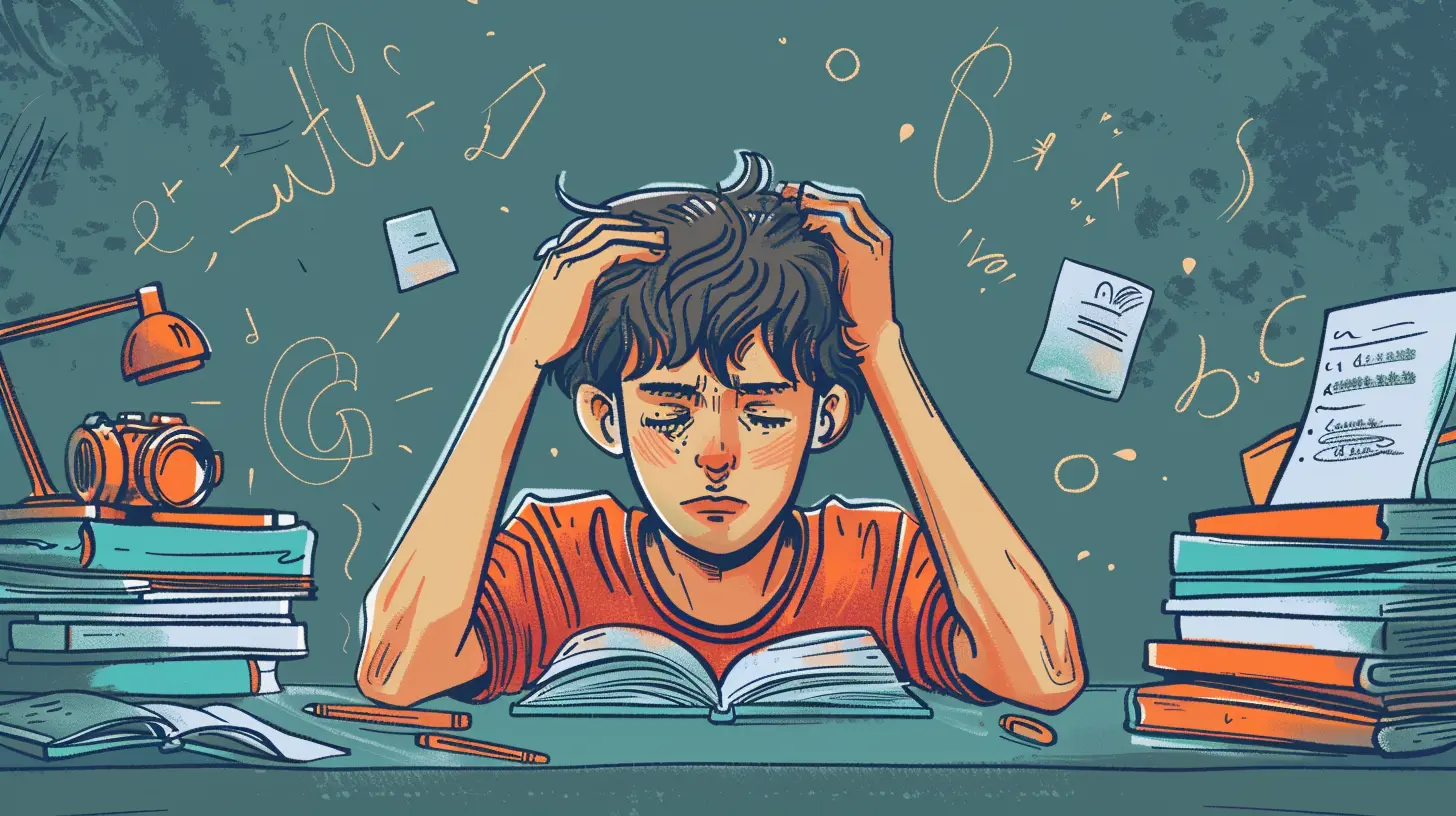
Emotional Toll: The Silent Burden
It’s not just about lower test scores and forgotten homework. Stress chips away at emotional health, too.Emotional Effects of Prolonged Stress
- Anxiety: Worry becomes a constant background noise.- Depression: Feeling helpless, hopeless, and drained.
- Burnout: Total exhaustion – mentally, emotionally, even physically.
- Low Self-Esteem: Constant failure or feeling “behind” can make students feel like they’re not good enough.
This emotional weight doesn’t just stay in their notebooks — it follows students home, affects their friendships, messes with their sleep, and even eats into their hobbies. When everything feels like a chore, joy takes a backseat.
Academic Performance: The Not-So-Good Report Card
Alright, let’s talk outcomes. How does all this stress show up in the academic arena?1. Poor Concentration
Ever read the same paragraph five times and still have no idea what it says? That’s stress slowing down the brain’s processing speed.2. Declining Grades
When memory, focus, and motivation take a hit, academic performance slides. It’s not always about laziness or lack of effort — sometimes, it’s just about cognitive overload.3. Procrastination
Stress can turn into avoidance. When a task feels too big or failure seems inevitable, many students choose to delay. It’s not logical, but it feels safe. Like hiding under the covers instead of facing a storm.4. Skipped Classes or Dropouts
For some, the pressure builds until showing up feels impossible. Chronic stress is one of the leading causes of student dropout, especially at the college level.So, What Can Educators Do?
Now for the real question: What can teachers, professors, and school staff do to help lighten the stress load?1. Create a Culture of Compassion
Start by building a classroom culture where students feel seen and supported. A little empathy goes a long way.- Say “It’s okay to not be okay.”
- Normalize struggle.
- Share personal stories of failure and resilience.
When students see that you're not just an authority figure, but a human being who understands, that connection can be a lifeline.
2. Rethink the Workload
Sure, academic rigor matters. But mountains of homework don’t automatically equal better learning.- Consider quality over quantity.
- Offer flexible deadlines when possible.
- Build in buffer days after big assignments or exams.
Try asking yourself: "Would this amount of work be reasonable if I had five other classes and a part-time job?"
3. Embed Mental Health Support
If your school or institution has resources like school counselors or psychologists — promote them actively. If not, integrate mental well-being into your lessons.- Teach stress management strategies.
- Offer mindfulness exercises.
- Encourage journaling or time-blocking techniques.
Sometimes, knowing there’s help is enough to start seeking it.
4. Break the Stigma
Mental health should be talked about as openly as math or grammar.- Include lessons on emotional intelligence.
- Let students reflect on their stress levels.
- Host discussion groups or wellness days.
When students feel they can speak up without fear of judgment, they’re far more likely to ask for help before things explode.
5. Foster Intrinsic Motivation
Grades matter, yes. But focusing solely on scores can create a “perform or perish” mindset.- Celebrate progress, not just outcomes.
- Encourage learning for curiosity's sake.
- Ask students what they’re passionate about — and actually integrate that into lessons when possible.
When students find meaning in what they’re doing, stress melts away like ice on a sunny day.
6. Keep Communication Open
Check in. A simple “How are you really doing?” can open the floodgates and show students that you care.- Offer anonymous feedback forms.
- Keep your door (or inbox) open.
- Create a safe space for open dialogue.
Sometimes, the biggest breakthroughs come not from lectures, but from conversations.
What Schools Need to Do Too
While teachers carry a heavy load, schools and campuses also need to pitch in. System-level changes can make a huge difference.Prioritize Mental Health in Policy
- More counselors per student- Required mental health education
- Reduced emphasis on standardized testing
Encourage Staff Training
Provide professional development on recognizing and responding to student stress. An observant teacher can make all the difference.Build a Restorative Environment
From quiet spaces for breaks to flexible class schedules, campuses can be designed to nurture well-being, not just achievement.Final Thoughts: It’s Bigger Than Grades
Stress isn’t just an inconvenience. It’s a quiet force that can sabotage learning, crush confidence, and derail potential if left unchecked. Students aren’t just vessels for knowledge; they’re whole humans with emotions, struggles, and stories.Educators? You’re more than just instructors. You're mentors, listeners, and sometimes the only stable adult figure in a student’s life.
Imagine the impact you can have by simply saying: “It’s okay to struggle — I’m here to help.”
Let’s not aim for perfect students. Let’s aim for healthy, curious, and resilient ones.
all images in this post were generated using AI tools
Category:
Health EducationAuthor:

Zoe McKay
Discussion
rate this article
2 comments
Calyx Banks
This article highlights a crucial aspect of student well-being. Understanding how stress impacts performance is vital for fostering a supportive learning environment. By implementing compassionate strategies, educators can truly make a difference in students' academic journeys, nurturing resilience and promoting mental health alongside academic success. Thank you for shedding light on this important issue!
February 19, 2026 at 5:52 AM
Zoe McKay
Thank you for your thoughtful comment! I completely agree that understanding stress is essential for creating supportive learning environments and promoting students' overall well-being.
Jace Carey
Stress dims brilliance; educators can spark brighter paths.
January 14, 2026 at 7:51 PM
Zoe McKay
Absolutely! By creating supportive environments, educators can help alleviate stress and unlock students' full potential.