How Parents Can Support Distance Learning at Home
31 August 2026
There is a moment every parent recognizes. The laptop is open, the child is staring at a blank screen, and the teacher on the other end is asking a question that hangs in the digital air like a fog. You are in the kitchen, half listening, half making lunch, and you feel the pull. Should you step in? Should you stay quiet? Should you have even signed up for this?
Distance learning is not a temporary blip anymore. For many families, it is a permanent option, a hybrid model, or a recurring necessity during sick days and weather emergencies. But the truth is that most parents were never trained to be teachers, and most homes were never designed to be classrooms. That is okay. You do not need to become an educator to support your child's learning from home. You need to become something more practical: a facilitator, a coach, and a calm presence.
This guide is not about turning your dining table into a schoolroom. It is about understanding what distance learning actually requires, what your child genuinely needs from you, and how to build a system that works for your specific family without burning everyone out.
Why Distance Learning Feels Different From School
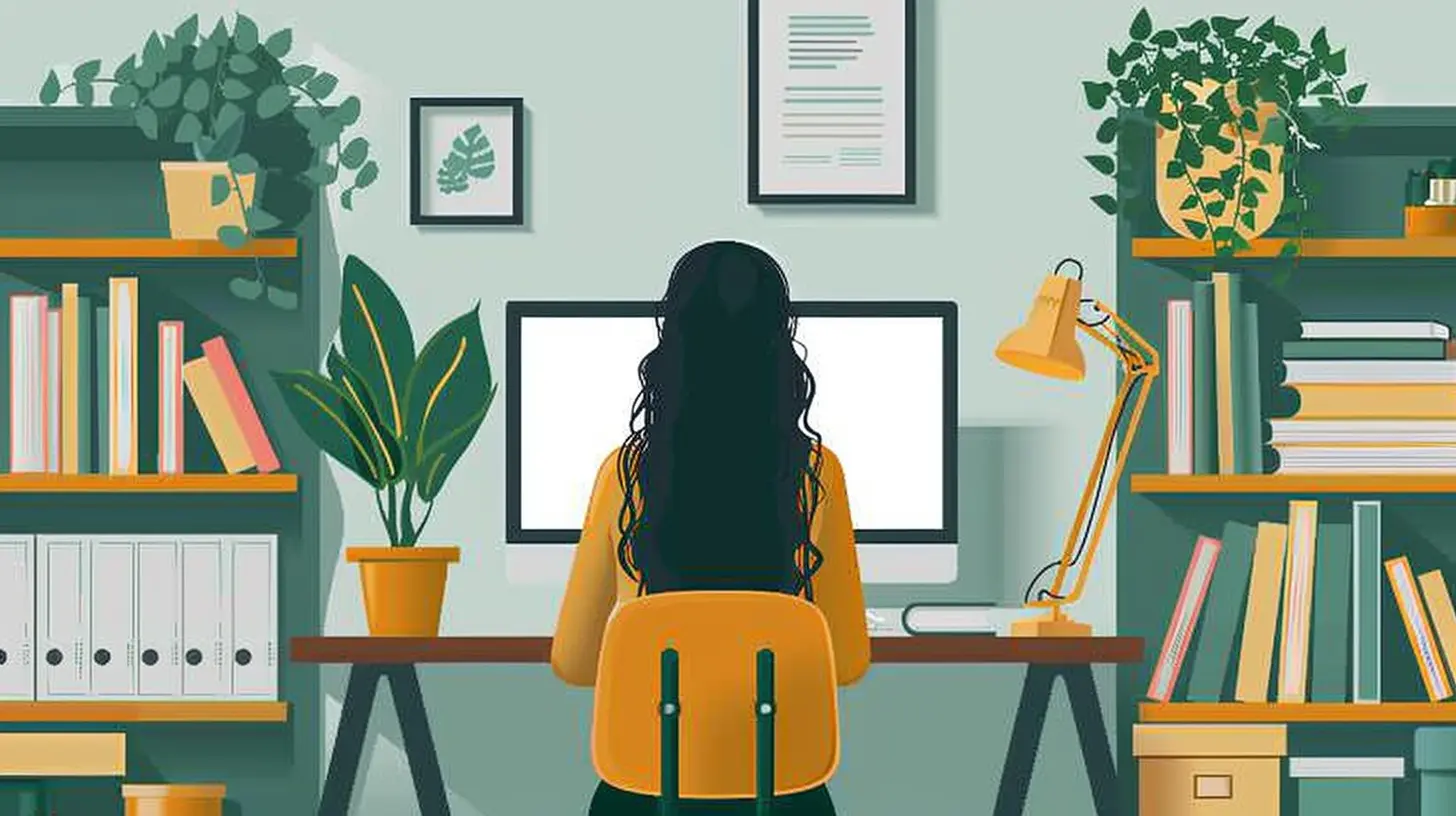
Before you can support your child, you need to understand why this mode of learning feels so strange. In a physical classroom, the teacher manages the environment. The bell rings, the desks are arranged, the noise level is controlled, and the social pressure of peers keeps most kids on task. The teacher can see who is confused, who is daydreaming, and who needs a nudge.At home, all of that scaffolding disappears. The child is expected to self-regulate, manage their own attention, and stay motivated without the physical presence of a teacher or classmates. That is a huge cognitive load for a young brain. Even high school students struggle with this. It is not a discipline problem. It is a design problem.
When you understand that distance learning asks more of a child's executive function, not less, you stop blaming them for "not focusing" and start building structures that support their attention. Your role is not to replace the teacher. Your role is to replace the missing environment.

Create a Learning Space That Actually Supports Focus
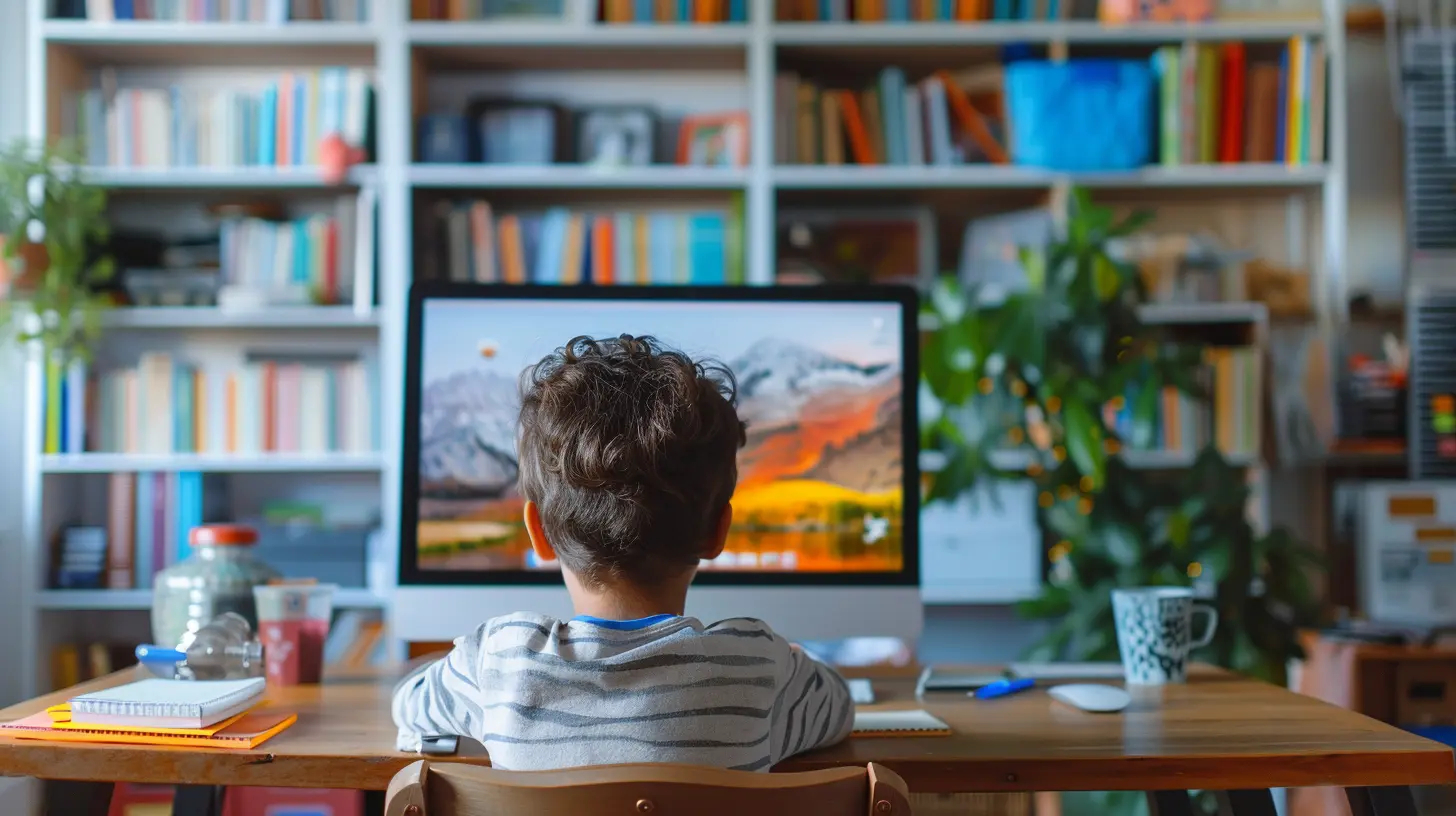
The biggest misconception about distance learning is that any flat surface will do. The kitchen counter might seem convenient, but it is also where snacks happen, where siblings argue, and where the mail gets dropped. Your child's brain needs clear signals about what this space is for.You do not need a dedicated home office. You need a space with three qualities: consistency, minimal distraction, and adequate ergonomics.
Consistency means the same spot every day. When a child sits in the same chair and faces the same direction, their brain starts to associate that physical position with learning. It becomes a trigger. If they move around the house every day, their brain never builds that association, and every session starts from zero.
Minimal distraction does not mean a bare room. It means removing things that compete for attention. The television should be off. The phone should be in another room or in a drawer. Toys and games should be out of sight. If you cannot see them, your brain is less likely to crave them.
Ergonomics matters more than most parents realize. A laptop on a kitchen table forces a child to look down, which strains the neck and causes fatigue. A stack of books under the laptop can raise the screen to eye level. A pillow behind the lower back can fix posture. These small adjustments reduce physical discomfort, and physical discomfort is a major driver of "I cannot concentrate" complaints.
One more thing. The learning space should be a place you can close off, even if it is just a curtain or a folding screen. When the school day ends, the space should disappear. This helps the child mentally separate school time from home time. Without that separation, the child feels like they are always in school, which leads to burnout.

Build a Daily Rhythm, Not a Rigid Schedule
Many parents make the mistake of trying to replicate the school timetable minute by minute. Eight thirty math, nine fifteen reading, ten o'clock science, and so on. This almost always fails. Why? Because at home, there are no bells, no transitions, and no teacher to keep the pace. The child gets stuck on one task, the schedule falls apart, and the parent feels like a failure.Instead of a schedule, build a rhythm. A rhythm has a sequence but not strict times. For example, the morning always starts with breakfast, then a short walk, then the first learning block, then a break, then the second block, then lunch. The sequence is predictable, but the duration of each block flexes based on how the child is doing.
This works better because it accommodates reality. Some mornings your child is alert and focused at nine. Other mornings they are still groggy until ten. A rhythm lets you start the first block when the child is actually ready, without throwing the whole day into chaos.
A rhythm also gives the child a sense of control. They know what comes next, which reduces anxiety. Anxiety is a silent killer of learning. When a child is anxious about what is coming, they cannot focus on what is in front of them.
The Art of the Break
Breaks are not a reward for good work. They are a neurological necessity. The human brain can sustain focused attention for roughly twenty to forty minutes, depending on age. After that, the brain starts to drift, not because the child is lazy, but because the prefrontal cortex is tired. Pushing through that fatigue only leads to frustration and poor retention.The problem is that many parents treat breaks as unstructured free time. The child leaves the screen, grabs a tablet, and plays games for fifteen minutes. That is not a break. That is a different kind of cognitive load. Screen-based activities, even fun ones, still require attention and processing. They do not let the brain recover.
A real break should involve movement, physical space, and a change of sensory input. Send the child outside for a few minutes. Have them jump on a trampoline, ride a bike, or just walk around the yard. If you cannot go outside, have them do ten jumping jacks, stretch, or get a glass of water. The point is to get the blood flowing and the eyes looking at distant objects instead of a screen.
The length of the break matters too. Five minutes is often too short. Ten to fifteen minutes is usually right. But the break should end with a clear transition back to learning. A timer works well. When the timer goes off, the child comes back to the desk. If the break runs indefinitely, the child loses the momentum they built during the learning block.
Your Role During Live Lessons
This is the trickiest part of distance learning. When your child is in a live video lesson, what should you be doing? The answer depends on the age of the child and their level of independence.For younger children, especially those in elementary school, you need to be nearby. Not hovering, but present. You are there to handle technical issues, redirect attention, and provide reassurance. If the child looks at you for help, give a small gesture. A thumbs up. A nod. A finger to the lips. Do not speak over the teacher. That breaks the child's focus and disrupts the class.
For older children, the opposite is often true. They need privacy and autonomy. If you sit behind them, they feel watched, and that creates performance anxiety. They may also feel embarrassed if they struggle in front of you. Give them space. Let them manage their own participation. Check in after the lesson, not during it.
There is a middle ground for middle schoolers. They are old enough to handle a lesson alone, but they still need someone to notice when they are stuck. Peek in from a distance. If they seem frozen, wait until the lesson ends before intervening. Do not rescue them in the moment unless they are in genuine distress.
One common mistake is treating live lessons like lectures. In a physical classroom, the teacher can see when a student is lost. In a video call, the teacher cannot always see that. If your child is confused, they need to use the chat function or raise their virtual hand. Encourage them to do this. Many kids are afraid to ask questions in front of others. Remind them that asking a question helps everyone, because someone else is probably confused too.
Handling Independent Work Time
Independent work is where most parents struggle. The child is supposed to complete assignments on their own, but they often end up staring at the screen or calling for help every two minutes. The key is to teach your child how to be independent, not just expect it.Start by breaking the assignment into smaller pieces. If the child has a worksheet with twenty problems, do not say "finish this." Say "do the first five, then check with me." This gives the child a clear stopping point and a sense of accomplishment. Once they finish the first five, they will often continue on their own.
Teach them the "try three times" rule. If they are stuck on a problem, they must try three different approaches before asking for help. This forces them to engage with the material instead of immediately seeking rescue. It also builds problem-solving skills. When they do ask for help, they can tell you what they tried, which makes the help more targeted and effective.
Another powerful technique is the "parking lot." Keep a piece of paper on the desk. When the child hits a question they cannot answer, they write it down and move on. They do not stop the whole assignment for one question. At the end of the work block, you go through the parking lot together. This teaches the child to prioritize and not let one obstacle derail the entire session.
Motivation Without Bribes
Every parent has used the "if you finish your work, you can have screen time" line. It works in the short term, but it creates a dangerous pattern. The child learns that learning is an unpleasant task that must be endured to get a reward. Over time, this erodes intrinsic motivation.Instead of bribes, use structure and choice. Give the child control over the order of their tasks. Let them decide whether to do math first or reading first. Let them choose where to sit, what pen to use, or how to organize their notes. These small choices give a sense of agency, which fuels motivation far more effectively than a promised treat.
Also, connect the work to their interests. If the child is studying fractions, ask them to double a recipe. If they are reading a novel, ask them to compare the villain to a video game character they like. This does not require elaborate lesson planning. It just requires you to be curious about what they are learning and to ask questions that show genuine interest.
Praise the effort, not the outcome. Instead of "you got an A," say "I noticed you kept trying even when that problem was hard." This teaches the child that persistence is valuable. It also helps them develop a growth mindset, which is the belief that ability can be developed through effort. This mindset is strongly correlated with academic success, but it has to be modeled and reinforced at home.
The Social Side of Learning
One of the biggest losses in distance learning is the social experience. Kids do not just learn from teachers. They learn from each other. They ask questions in small groups, they explain concepts to peers, and they pick up on social cues that reinforce classroom norms. When all of that disappears, learning becomes a lonely activity.You cannot fully replace the social experience, but you can supplement it. Arrange virtual study groups with classmates. Even fifteen minutes of a video call where kids work on the same assignment can help. They do not need to talk the whole time. Just having someone else in the same digital room can reduce the feeling of isolation.
If virtual study groups are not possible, look for other social learning opportunities. A sibling can serve as a study partner. A parent can play the role of an interested peer. Ask the child to explain a concept to you. The act of teaching something to someone else is one of the most powerful learning tools there is. When a child explains a concept in their own words, they deepen their understanding and reveal gaps in their knowledge.
When to Step In and When to Step Back
This is the hardest judgment call for parents. Step in too much, and you create dependency. Step back too much, and the child flounders. The right balance depends on the child's age, temperament, and the specific task.A good rule of thumb is to ask yourself one question: "Can this child do this task alone if I give them the right tools?" If the answer is yes, then your job is to provide the tools and step back. If the answer is no, then you need to teach the tools first.
For example, if the child has a reading assignment and they struggle with vocabulary, give them a dictionary app or teach them to use context clues. Do not just read the text to them. If the child has a writing assignment and they freeze at a blank page, teach them brainstorming techniques like listing or freewriting. Do not write the essay for them.
There is a difference between helping and rescuing. Helping means building the child's capacity. Rescuing means doing the work for them. Rescuing feels good in the moment because the assignment gets done and the child is happy. But it teaches the child that they cannot succeed without you. Over time, this creates learned helplessness, which is the exact opposite of what distance learning should develop.
The Emotional Toll on Parents
Let us be honest. Supporting distance learning is exhausting. You are managing your own work, the household, and your child's education. It is normal to feel frustrated, guilty, and overwhelmed. You are not a bad parent if you lose your temper or if you let your child watch extra television on a hard day.The most important thing you can do for your child is to take care of your own emotional state. Children are highly sensitive to parental stress. If you are anxious, they will absorb that anxiety. If you are calm, they will feel safe enough to learn.
Practical self-care is not selfish. It is strategic. Set aside time each day when you are not available for school support. Trade off with a partner if possible. If you are a single parent, build a network of other parents who can help in emergencies. You cannot pour from an empty cup.
Also, lower your expectations. You do not need to replicate a perfect school day. Some days will be messy. Some assignments will be late. Some lessons will be a complete loss. That is acceptable. The goal is not perfection. The goal is to keep the child engaged, curious, and emotionally stable. If you achieve that, you have done your job.
A Note on Technology and Screen Time
Parents often worry about how much time children spend on screens during distance learning. This worry is valid, but it needs context. The screen is not the enemy. The screen is the medium. What matters is what the child is doing on the screen.A child who spends two hours on a video lesson and then thirty minutes on a math app is not the same as a child who spends two hours on social media and then thirty minutes on a game. The former is learning. The latter is entertainment. The distinction is not about the device. It is about the content and the level of engagement.
That said, screen fatigue is real. The blue light and constant visual stimulation can cause headaches, eye strain, and irritability. Encourage the child to take regular breaks away from the screen. Use the twenty-twenty-twenty rule: every twenty minutes, look at something twenty feet away for twenty seconds. This simple habit reduces eye strain significantly.
Also, be mindful of the difference between synchronous and asynchronous learning. Synchronous learning happens in real time, like a live video lesson. Asynchronous learning happens on the child's own time, like watching a recorded video or completing a worksheet. Some children do better with one or the other. Observe your child and advocate for a balance that works for them. If the school is offering too much synchronous time, talk to the teacher. If the child is struggling with asynchronous work, ask for more structure.
What to Do When the Child Refuses to Work
Every parent faces this at some point. The child sits down, the assignment is open, and the child just refuses. They cross their arms. They say "I hate this." They stare at the wall. In that moment, your instinct might be to push harder. That is usually the wrong move.Refusal is almost never about laziness. It is about a feeling. The child feels overwhelmed, or confused, or anxious, or bored. The refusal is a signal, not a character flaw. If you push, the child will push back harder, and the situation will escalate into a power struggle that neither of you can win.
Instead, lower the stakes. Say something like "Okay, we do not have to do this right now. Let us take five minutes and then we will try again." Sometimes the child just needs a reset. If the refusal persists, break the task into an absurdly small piece. "Just write your name on the paper." "Just read the first sentence." Often, once the child starts, the momentum takes over.
If the refusal happens frequently, look for the underlying cause. Is the work too hard? Too easy? Is there a social issue with the class? Is the child sleep deprived? Are they hungry? These basic needs are often the root of refusal. Address the need, and the behavior often resolves itself.
The Long Game
Distance learning is not just about getting through the school year. It is about helping your child develop skills that will serve them for a lifetime. Self-regulation, time management, the ability to work independently, the willingness to ask for help, and the resilience to keep going when things are hard. These are not academic skills. They are life skills.Every time you help your child plan their day, you are teaching them project management. Every time you let them struggle with a problem before stepping in, you are teaching them persistence. Every time you celebrate their effort instead of their grade, you are teaching them a healthy relationship with achievement.
This is the deeper value of distance learning. It is an opportunity to see your child's learning process up close, to understand their strengths and struggles, and to build a partnership with them that goes beyond homework. You will not get this chance again. When they are back in a physical classroom, you will go back to being the parent who asks "how was school?" and gets a one-word answer.
Use this time wisely, not by pushing harder, but by being present. Ask your child what they are learning. Show genuine curiosity. Let them teach you something. The child who feels seen and supported at home is the child who will take risks in the classroom, ask questions, and believe in their own potential.
You do not need to be a perfect parent. You do not need to have all the answers. You just need to show up, stay calm, and keep trying. That is what your child needs. That is what distance learning needs. And that is what will make the difference between a stressful experience and a meaningful one.
all images in this post were generated using AI tools
Category:
Distance LearningAuthor:

Zoe McKay
Discussion
rate this article
2 comments
Elowis Wheeler
Thank you for this insightful article. As a parent navigating distance learning, I appreciate the practical tips you shared. Creating a supportive environment truly makes a difference. Your suggestions inspire me to be more engaged and patient with my child's learning journey.
September 1, 2026 at 6:07 AM
Zoe McKay
Thank you for your kind words! I'm glad you found the tips helpful. Wishing you and your child a successful learning journey together.
Callie Vaughn
This article offers valuable insights for parents navigating the challenges of distance learning. It highlights the importance of creating a structured environment and fostering open communication. By actively engaging with their child's education, parents can make a significant difference during these times. Great read!
August 31, 2026 at 5:03 AM