How Flexible Seating Arrangements Can Improve Student Focus
7 February 2026
Imagine walking into a classroom where students aren’t confined to rigid desks in straight rows. Instead, they have options—bean bags, standing desks, wobble stools, and even floor cushions. It might look unconventional, but studies show that flexible seating arrangements can significantly improve student focus, engagement, and overall learning experience.
Gone are the days when sitting in the same spot for hours was considered effective. Today, educators and researchers are finding that providing students with seating choices isn’t just a trend—it’s a game-changer. But how exactly does it help? Let’s dive in!
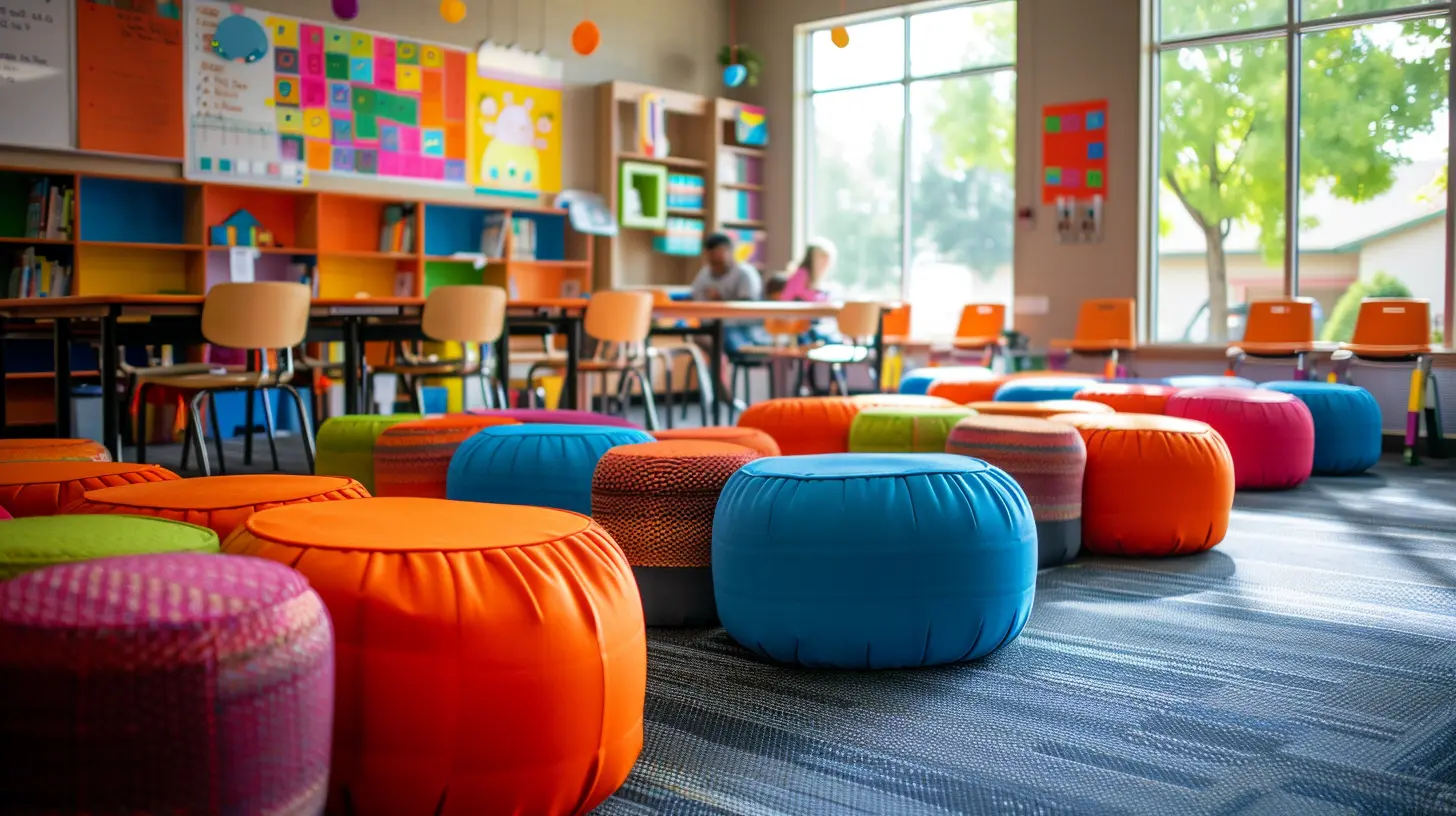
What Is Flexible Seating?
Flexible seating is an alternative to traditional classroom setups, allowing students to choose where and how they sit. Rather than fixed desks and chairs, classrooms with flexible seating offer a variety of options like:- Standing desks
- Bean bags
- Stability balls
- Floor cushions
- Wobble stools
- Sofas or lounge chairs
The idea is simple: When students have seating options, they take control of their comfort—and comfort leads to better focus and learning.
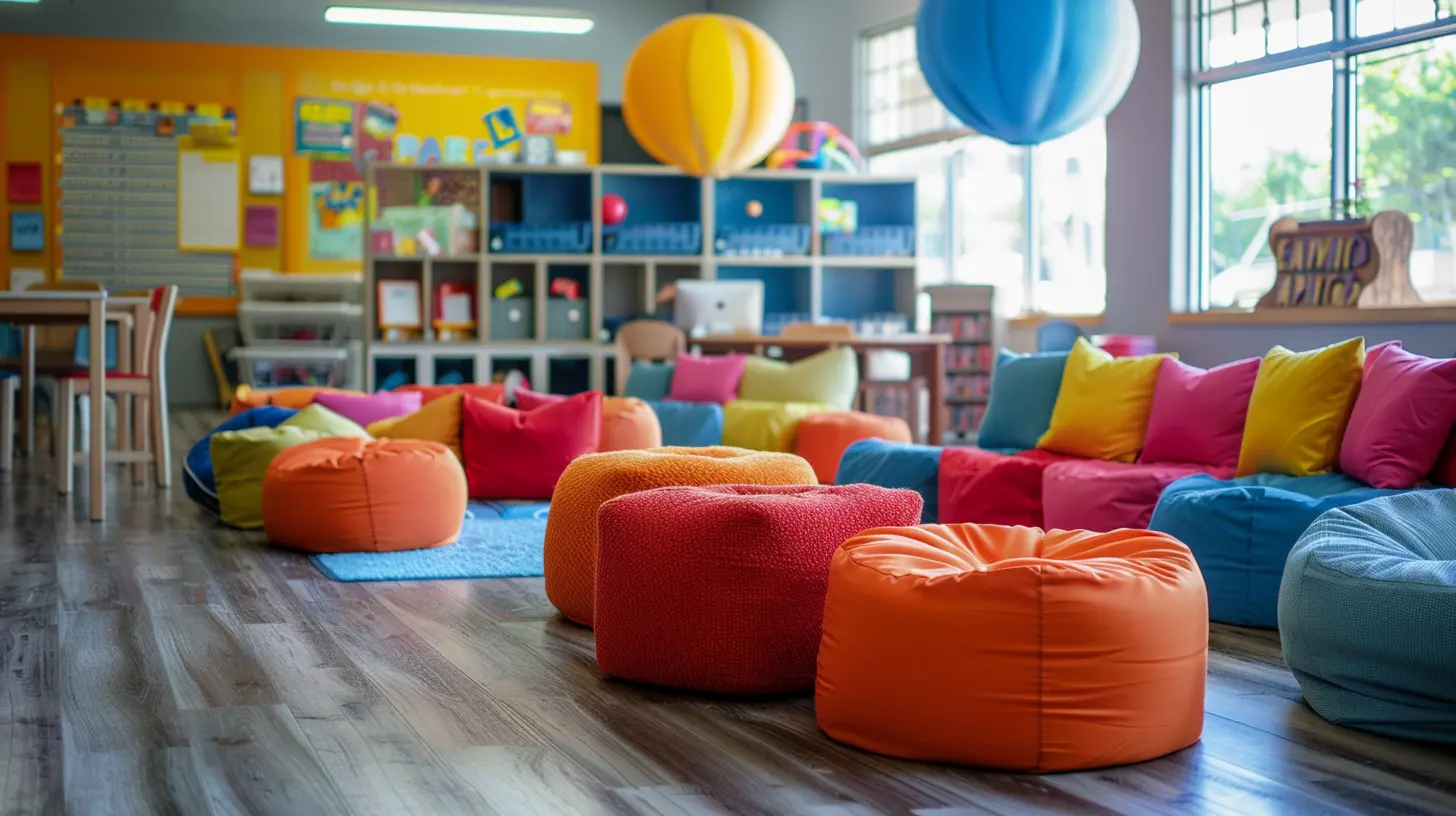
The Science Behind Flexible Seating
You might be wondering, “Does changing where students sit really make a difference?” The answer is a resounding yes! Research shows that movement, comfort, and autonomy directly impact focus and cognitive performance.Movement Enhances Brain Activity
Have you ever noticed how pacing helps you think? That’s because physical movement increases blood flow, delivering more oxygen to the brain. When students fidget or change positions, they’re actually stimulating their brains, which can lead to better concentration and retention.Comfort = Better Engagement
Let’s be honest—nobody does their best work when they’re uncomfortable. Sitting on a hard plastic chair for hours can be distracting and even painful. Flexible seating allows students to pick seating that suits their needs, making them more likely to stay engaged in lessons.Autonomy Increases Responsibility
Giving students the freedom to choose their seating also teaches responsibility. They learn to pick spots where they can focus best, which fosters self-awareness and accountability—valuable skills for life beyond the classroom.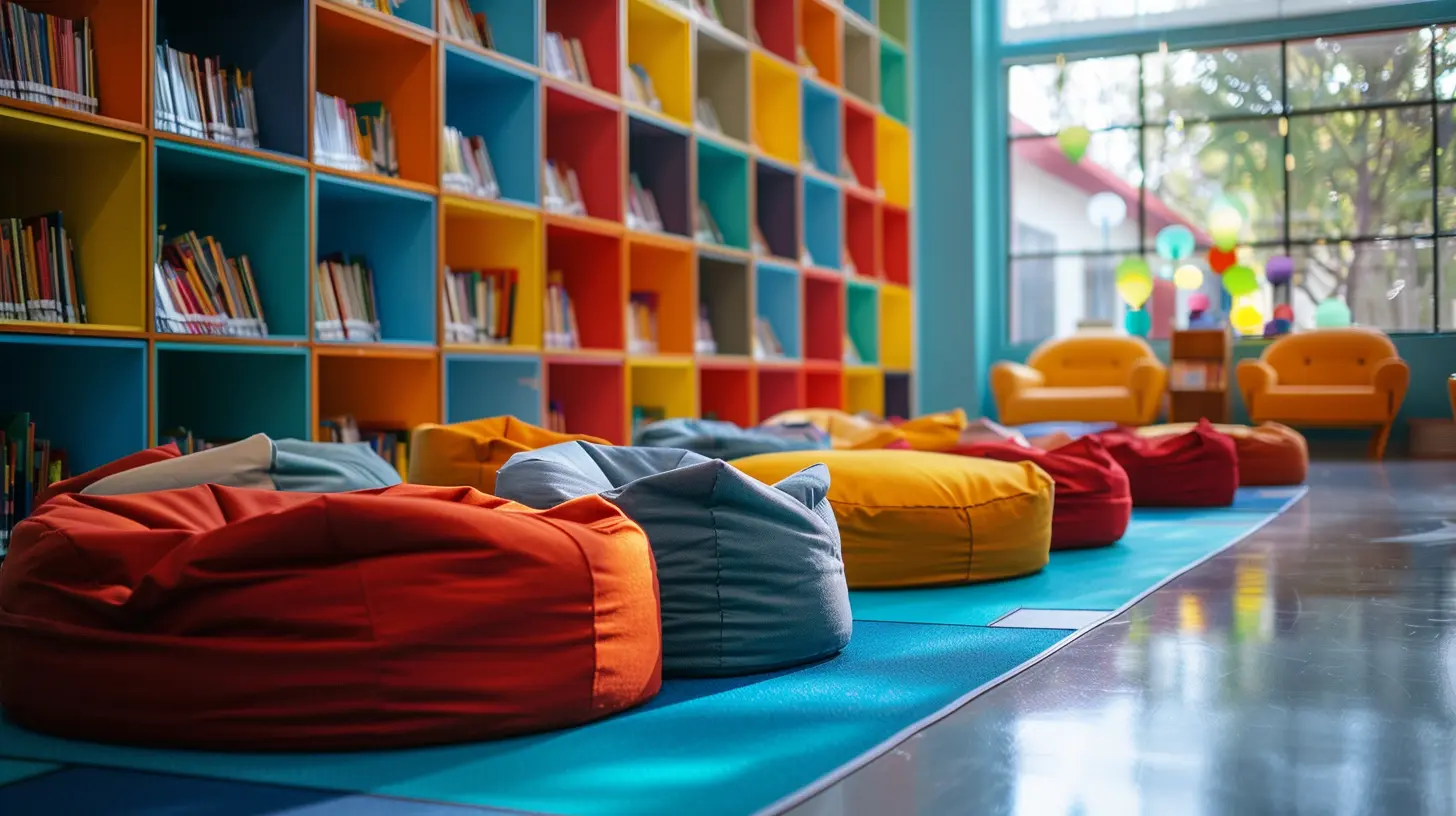
How Flexible Seating Improves Student Focus
Now that we understand the science behind it, let’s break down exactly how flexible seating leads to better focus in the classroom.1. Encourages Movement and Reduces Restlessness
Kids aren’t meant to sit still for long periods. Flexible seating provides natural opportunities for movement, which helps release built-up energy. When students can shift positions, stand, or bounce lightly on a stability ball, they’re less likely to become distracted by discomfort or boredom.2. Increases Engagement and Participation
Imagine being trapped in an uncomfortable chair, staring at the clock, waiting for class to end. Now, picture yourself sitting in a cozy bean bag, fully immersed in a discussion because you’re comfortable and relaxed. See the difference?When students are comfortable, they participate more actively in class discussions, pay closer attention, and engage more deeply with the material.
3. Reduces Behavioral Issues
Classroom disruptions often stem from discomfort or restlessness. If students feel uneasy, they’re more likely to fidget, talk out of turn, or lose focus. Flexible seating minimizes these distractions by allowing students to self-regulate their environment, leading to a more peaceful and productive classroom.4. Supports Different Learning Styles
Every student learns differently. Some need movement to concentrate, while others prefer quiet corners for focused work. Flexible seating accommodates various learning needs, making it easier for all students to thrive.For example:
- Visual learners might prefer a standing desk near a whiteboard.
- Kinesthetic learners may benefit from sitting on a stability ball to incorporate movement while studying.
- Introverted students might choose a floor cushion in a quiet spot to avoid sensory overload.
5. Boosts Collaboration and Social Skills
Traditional seating often limits student interaction, keeping everyone in assigned spots. Flexible seating promotes collaboration by allowing students to sit in small groups, join discussion circles, or work on projects comfortably.This fosters teamwork, communication skills, and peer learning—essential skills for success in any career.
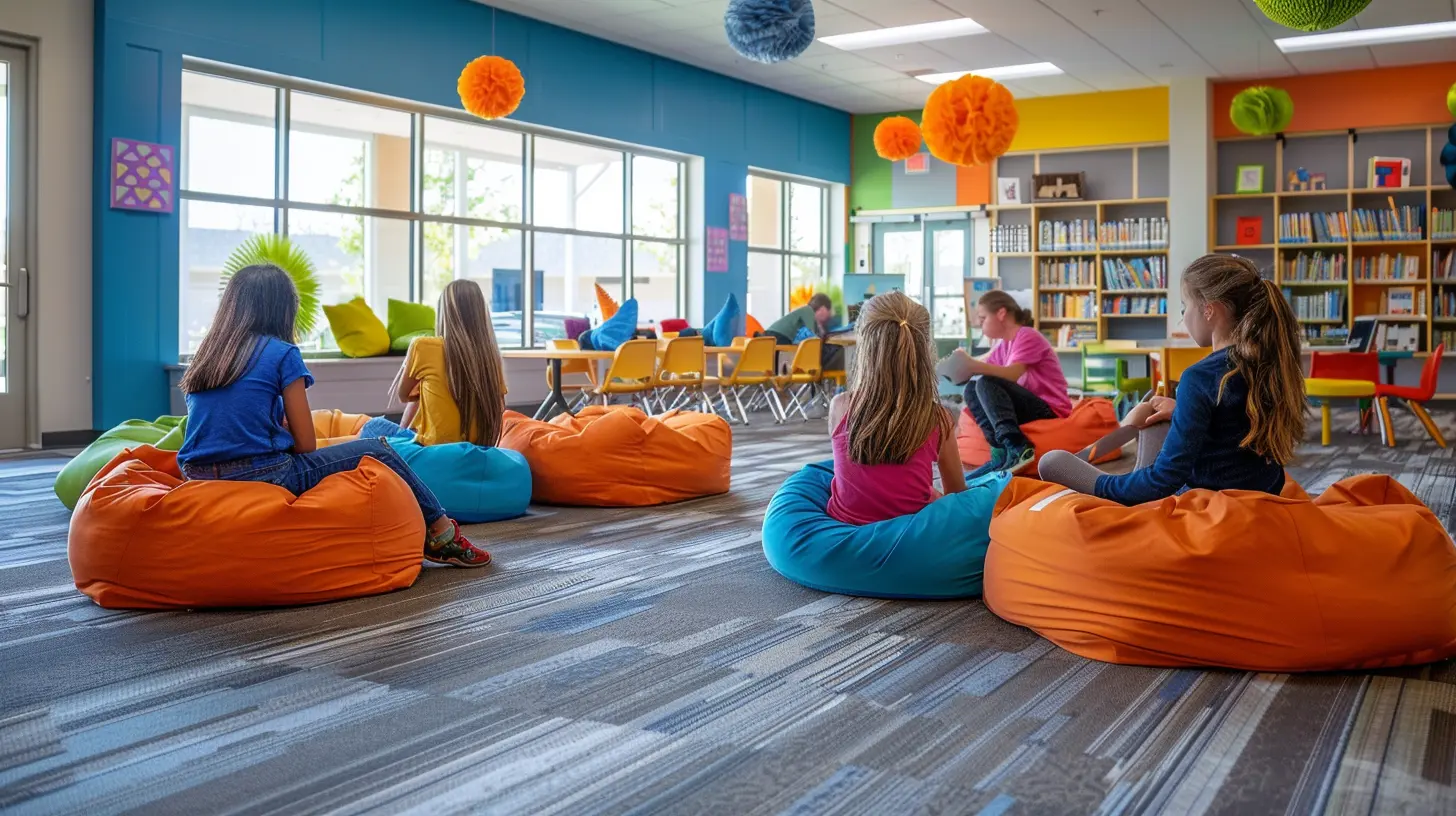
Tips for Implementing Flexible Seating in the Classroom
Thinking about introducing flexible seating in your classroom? Here are some practical tips to make the transition smooth and effective.1. Start Small
You don’t have to go all-in at once! Begin by adding a few alternative seating options, like cushions or standing desks, alongside traditional desks. Observe how students respond before expanding.2. Set Clear Expectations
Flexible seating isn’t a free-for-all. Establish guidelines to ensure students make responsible choices. For example:- Students must choose a spot where they can focus.
- They can move if their chosen seat isn’t working for them.
- Respect for others’ space and materials is essential.
3. Offer a Variety of Options
Not everyone will love sitting on a bean bag! Provide a mix of seating choices to cater to different preferences and learning needs. Having options ensures all students find what works best for them.4. Observe and Adjust
Monitor how students use flexible seating and be open to changes. If certain spots are causing distractions, modify the setup. The goal is to create an environment that enhances learning—not hinders it.5. Get Student Feedback
Ask students for input! Find out which seating options they prefer and why. Their feedback will help you refine the setup and make it even more effective.6. Remember, It’s About Balance
While flexibility is great, structure is still important. Some activities, like tests or formal lessons, might require traditional seating. Find a balance that keeps flexibility while maintaining order.Overcoming Common Concerns
“Won’t It Be Chaotic?”
Not if it’s managed well! With clear guidelines and expectations, students learn to use flexible seating responsibly. In fact, many teachers report fewer behavioral issues because students are more comfortable and focused.“What About Limited Classroom Space?”
Flexible seating doesn’t mean eliminating desks entirely. Even in small classrooms, simple changes—like adding a few cushions or letting students stand—can make a difference.“Is It Expensive?”
Not necessarily! Many flexible seating options are affordable or even DIY-friendly. Teachers can repurpose furniture, ask for donations, or apply for grants to fund their setups.
Final Thoughts
Flexible seating isn’t just about making a classroom look cool—it’s about creating an environment where students can focus, engage, and succeed. By giving students the power to choose their seating, we empower them to take charge of their learning in a way that feels natural and effective.So, if you’re an educator looking to boost student focus and participation, why not give flexible seating a try? Your students (and their brains) will thank you for it!
all images in this post were generated using AI tools
Category:
Student EngagementAuthor:

Zoe McKay
Discussion
rate this article
2 comments
Lyra Griffin
Flexible seating fosters a sense of ownership and comfort, empowering students to engage with their learning environment, ultimately enhancing focus and collaboration.
March 16, 2026 at 1:13 PM
Zoe McKay
I completely agree. Flexible seating really does create a more inviting space, encouraging students to take charge of their learning and work together effectively.
Jude McLanahan
Flexible seating arrangements are not just a trend; they are a transformative approach to enhancing student focus. By empowering students to choose their learning environment, we cultivate engagement, comfort, and collaboration. Embracing this strategy is essential for fostering an adaptive and dynamic classroom that meets diverse learning needs. Let's innovate for success!
February 10, 2026 at 3:46 AM
Zoe McKay
Thank you for your insightful comment! I completely agree—flexible seating truly empowers students and enhances their learning experience. Let's continue to prioritize innovative strategies in our classrooms!