From Pharaohs to Presidents: Making Leaders Through History
26 September 2026
Leadership is one of those words that gets thrown around so often it starts to lose its shape. We call someone a leader when they run a company, coach a team, or win an election. But history tells a messier and far more interesting story. The people we remember as leaders were not born with a magic switch. They were shaped by mentors, failures, strange circumstances, and systems that either helped them grow or crushed them.
This article looks at how leadership has actually been made across different eras, from ancient Egypt to modern democracies. We will pull out patterns, question popular myths, and give you practical ways to apply these lessons whether you are running a small team or trying to raise a confident kid.

Why History Beats Theory for Leadership Lessons
Most leadership books give you a neat list of habits. Be humble. Listen more. Communicate clearly. Those are fine, but they are abstract. History gives you something better: context.When you study Ramses II, Pericles, Wu Zetian, Abraham Lincoln, or Angela Merkel, you see real trade-offs. You see what happened when someone chose one path over another. You see the cost. You see the luck.
The problem is that history is also full of survivor bias. We remember the winners and forget the thousands of leaders who did the same things and failed. So we have to read carefully. The goal is not to copy Cleopatra's moves. The goal is to understand the conditions that made certain behaviors work in certain moments.
That is why this article treats history as a laboratory, not a museum. We will look at what worked, what did not, and why.
The Ancient World: Leadership as Cosmic Duty
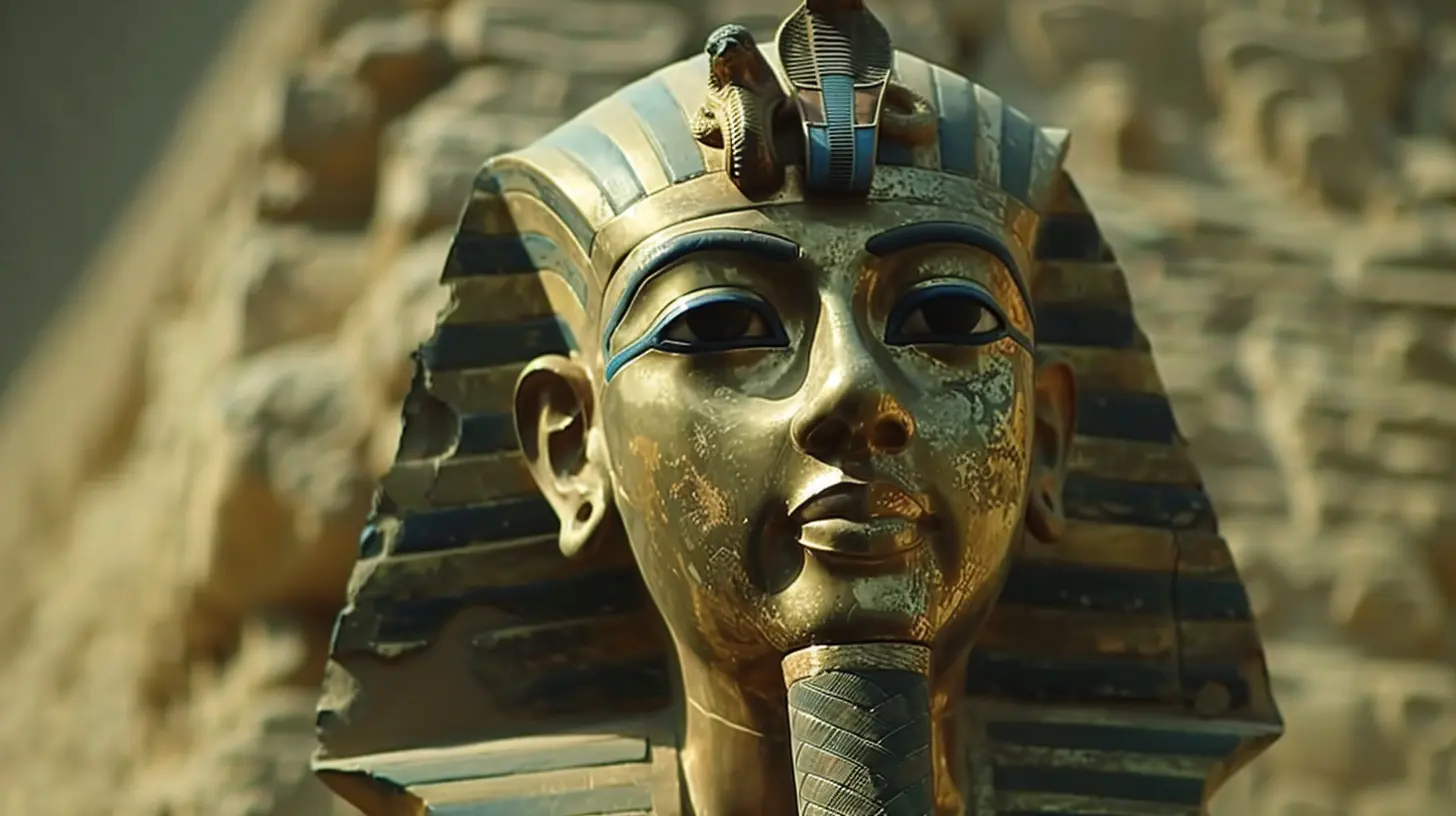
In ancient Egypt, leadership was not a job. It was a cosmic role. The pharaoh was the bridge between the gods and the people. Maat, the concept of order, truth, and balance, was the pharaoh's responsibility. If the Nile flooded too much or too little, the pharaoh's legitimacy took a hit.This created a strange leadership model. On one hand, the pharaoh had absolute power. On the other hand, he was trapped by ritual and expectation. He could not just do whatever he wanted. He had to perform order.
What Ancient Egypt Got Right
The Egyptians understood something modern leaders often forget: legitimacy matters more than authority. You can have the title, but if people do not believe you deserve it, your power is fragile.They also invested heavily in succession. Future pharaohs were trained in royal courts, often serving as co-regents before taking full power. That is a practice worth stealing. Handing someone a title without apprenticeship is a recipe for disaster.
What Ancient Egypt Got Wrong
The system was rigid. It depended on a single family line and a religious story that could not adapt quickly. When external pressures came, the model cracked. The lesson: any leadership system that cannot absorb change eventually breaks.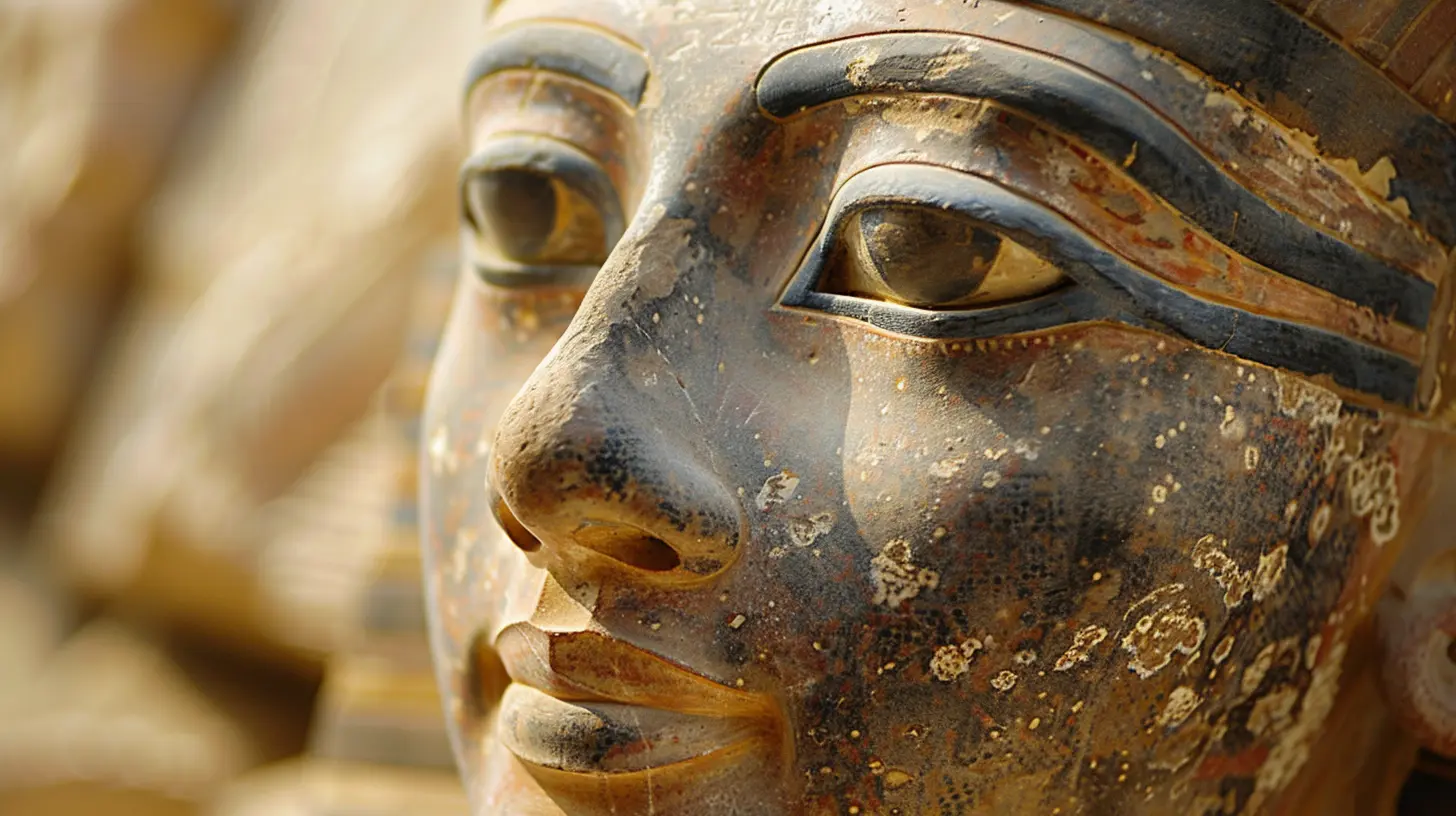
Greece and Rome: The Birth of Persuasion
If Egypt was about cosmic order, ancient Athens was about argument. Leadership in the Athenian assembly was not inherited. It was performed. You had to speak, persuade, and survive the crowd.Pericles is the classic example. He was not a king. He was a strategos, a general and politician who led through influence. His famous Funeral Oration, as recorded by Thucydides, was less about himself and more about Athenian identity. That is a key insight. Great leaders often lead by articulating what a group already feels but cannot express.
The Roman Shift: From Republic to Empire
Rome started with a republic that distributed power across consuls, the senate, and assemblies. It was messy, slow, and full of checks. Then Julius Caesar showed how a popular general with loyal troops could bypass the system. Augustus then built a more stable autocracy.The Roman story teaches a trade-off. Republics are better at preventing tyranny but worse at making fast decisions. Empires are faster but prone to succession crises. Neither is perfect. The question is which failure mode you can tolerate.
Practical Takeaway from the Ancients
If you lead a modern team, ask yourself: am I building legitimacy or just relying on my title? Do people follow me because they believe in the direction, or because they have to? The Athenians would say the first is stronger.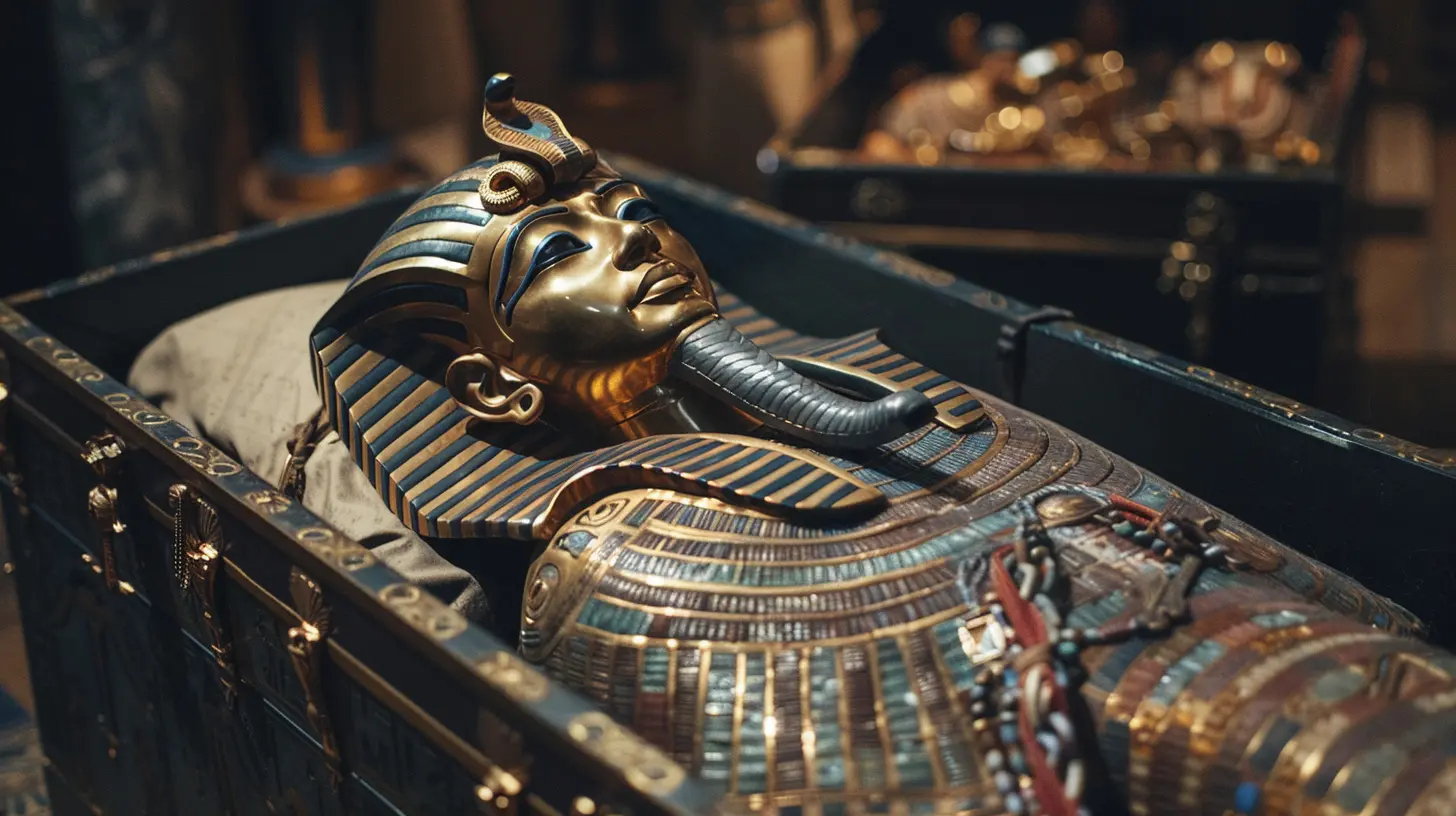
The Middle Ages: Leadership Through Networks
The medieval world did not have big bureaucracies. It had networks. A king ruled by making deals with lords, bishops, and wealthy merchants. Leadership was less about commanding and more about maintaining relationships.This is where the idea of fealty and mutual obligation comes from. You gave land and protection. You got loyalty and soldiers. It was a contract, even if it was wrapped in religious language.
Why This Matters Today
Modern organizations are also networks. You rarely have direct control over everyone you need. You depend on peers, partners, and people in other departments. The medieval lord who ignored his vassals lost their support. The modern manager who ignores stakeholders loses cooperation.The mistake people make is thinking hierarchy equals influence. It does not. Influence comes from reciprocity.
The Church as a Leadership Machine
The Catholic Church built one of the most durable leadership systems in history. It had clear rules, a pipeline for talent, and a global mission. It also had problems: corruption, rigidity, and resistance to reform. But its longevity is a clue. Institutions that survive centuries usually have strong onboarding, shared values, and a way to handle succession.The Enlightenment and the Rise of the Citizen Leader
The 18th century changed the story. Thinkers like Locke and Rousseau argued that legitimate authority comes from the consent of the governed. This did not end monarchy overnight, but it shifted the moral ground.George Washington is the hinge figure here. He had military power. He could have become a king. He stepped down. That act, more than any battle, made him a leader for the ages. It signaled that the new republic was bigger than one person.
The Lesson of Voluntary Limits
Washington's choice is a masterclass in something called self-binding. A leader voluntarily gives up power to strengthen the system. It only works if others follow. But when it works, it builds enormous trust.Modern leaders can do a version of this. Term limits, transparent decision processes, and inviting dissent are all ways to signal that you are not the point. The mission is the point.
The Industrial Age: Leadership as Management
Factories changed everything. Suddenly you had thousands of workers doing repetitive tasks. Leadership became about coordination, efficiency, and control.Frederick Taylor's scientific management treated workers like parts of a machine. It boosted output but crushed morale. Then came the human relations school, led by people like Elton Mayo, who showed that attention and social bonds matter as much as pay.
The Trade-Off Between Efficiency and Humanity
This trade-off is still with us. Every time you optimize a process, you risk dehumanizing the people inside it. Every time you prioritize feelings, you risk slowing things down.The best leaders in the industrial era, and today, learn to switch modes. Sometimes you need the stopwatch. Sometimes you need the conversation. Knowing which is which is the skill.
The 20th Century: Leadership Under the Microscope
The 1900s gave us extreme examples. Churchill, Mandela, Gandhi, and also Hitler, Stalin, and Mao. This is uncomfortable but necessary. Leadership is not automatically good. It is a tool.The 20th century also gave us research. Kurt Lewin studied authoritarian, democratic, and laissez-faire climates. The democratic style usually won on satisfaction and quality, but not always on speed. That nuance matters.
Charisma: The Double-Edged Sword
Charismatic leaders can move millions. They can also lead millions off a cliff. The difference is usually not the charisma itself but the surrounding system. Are there checks? Is there honest feedback? Does the leader tolerate dissent?If you are choosing a leader, do not just ask if they are inspiring. Ask what happens when they are wrong.
What Actually Makes a Leader: Five Patterns from History
After all this, what are the recurring ingredients? Here are five that show up again and again.1. Apprenticeship
Almost every effective historical leader had a period of learning under someone else. Alexander had Aristotle and Philip. Augustus had Caesar. Merkel had Kohl. The lesson is simple. Talent needs time and guidance.2. Crisis as a Forge
Many leaders are made by crises they did not choose. Lincoln became Lincoln because of the Civil War. That does not mean you should create crises. It means you should prepare people for them. Simulations, stretch assignments, and real responsibility early on build the muscle.3. A Moral Compass
Leaders who last usually have a clear sense of what they will not do. Mandela refused revenge. Washington refused a crown. That clarity gives followers confidence.4. Feedback Loops
The leaders who fail are often the ones who stop listening. The pharaoh who ignored the priests. The CEO who ignored the engineers. The president who ignored the polls. Building honest feedback into your system is not optional.5. Succession Planning
The greatest leaders think about who comes next. The worst leave a vacuum. History is full of empires that collapsed because no one was ready.Common Myths About Leadership History
Let us clear up a few misconceptions.Myth: Great Leaders Are Born, Not Made
History shows the opposite. Almost every leader was shaped by environment, training, and chance. The born leader idea is mostly a way to justify inherited privilege.Myth: Nice Leaders Finish Last
Not true. Niceness is not the same as weakness. Lincoln was kind and ruthless when needed. The key is knowing when to be which.Myth: History Repeats Itself
It rhymes, but it does not repeat. Context changes. A tactic that worked in 1800 might fail in 2025. Use history as a source of questions, not answers.
Applying Historical Lessons in Modern Life
So how do you actually use this? Here are some practical moves.For Parents and Teachers
Give kids real responsibility early. Let them fail safely. Talk about historical figures as humans with flaws, not statues. Ask questions like "What would you have done?" That builds judgment.For Managers
Build apprenticeship into your team. Pair junior people with senior ones on real projects. Create a culture where bad news travels fast. And plan your succession before you need it.For Anyone Leading Themselves
You do not need a title. You can lead your own life by setting a direction, seeking feedback, and sticking to your values. That is the root of everything else.What to Consider Before Copying a Historical Leader
Before you borrow a strategy from a pharaoh or a president, ask three questions.First, what was the context? Was it a crisis, a stable period, a transition? Second, what was the cost? Every leadership choice trades one thing for another. Third, what was the system? Was the leader constrained or unchecked?
If you skip these, you are just collecting quotes. If you use them, you are doing real analysis.
The Future of Leadership and the Weight of History
We are now in an era of AI, remote work, and global problems that no single nation can solve. The old models of command and control are fading. But the old questions remain. How do you earn trust? How do you make decisions when you cannot know everything? How do you leave the system stronger than you found it?History does not give us easy answers. It gives us better questions. And that, in the end, is what makes a leader. Not certainty, but the willingness to learn, adapt, and serve something larger than yourself.
From pharaohs to presidents, the tools change. The human core does not.
all images in this post were generated using AI tools
Category:
History LearningAuthor:

Zoe McKay