Essential Proofreading Techniques for Error-Free Writing
13 April 2026
Let’s get one thing straight—writing is only half the battle. The real magic happens during proofreading. You could have the most brilliant ideas, a killer thesis, and poetic sentences that make angels weep, but if it’s riddled with typos, grammar slip-ups, and punctuation blunders? Oof. All that sparkle just fades.
Proofreading isn’t just about dotting i’s and crossing t’s—it’s about polishing your piece until it gleams like a diamond in a sea of rough drafts.
So, pull up a chair, grab your metaphorical red pen (or real one, if you’re old school), and let’s dive into the essential proofreading techniques for error-free writing that’ll take your work from “meh” to magnificent.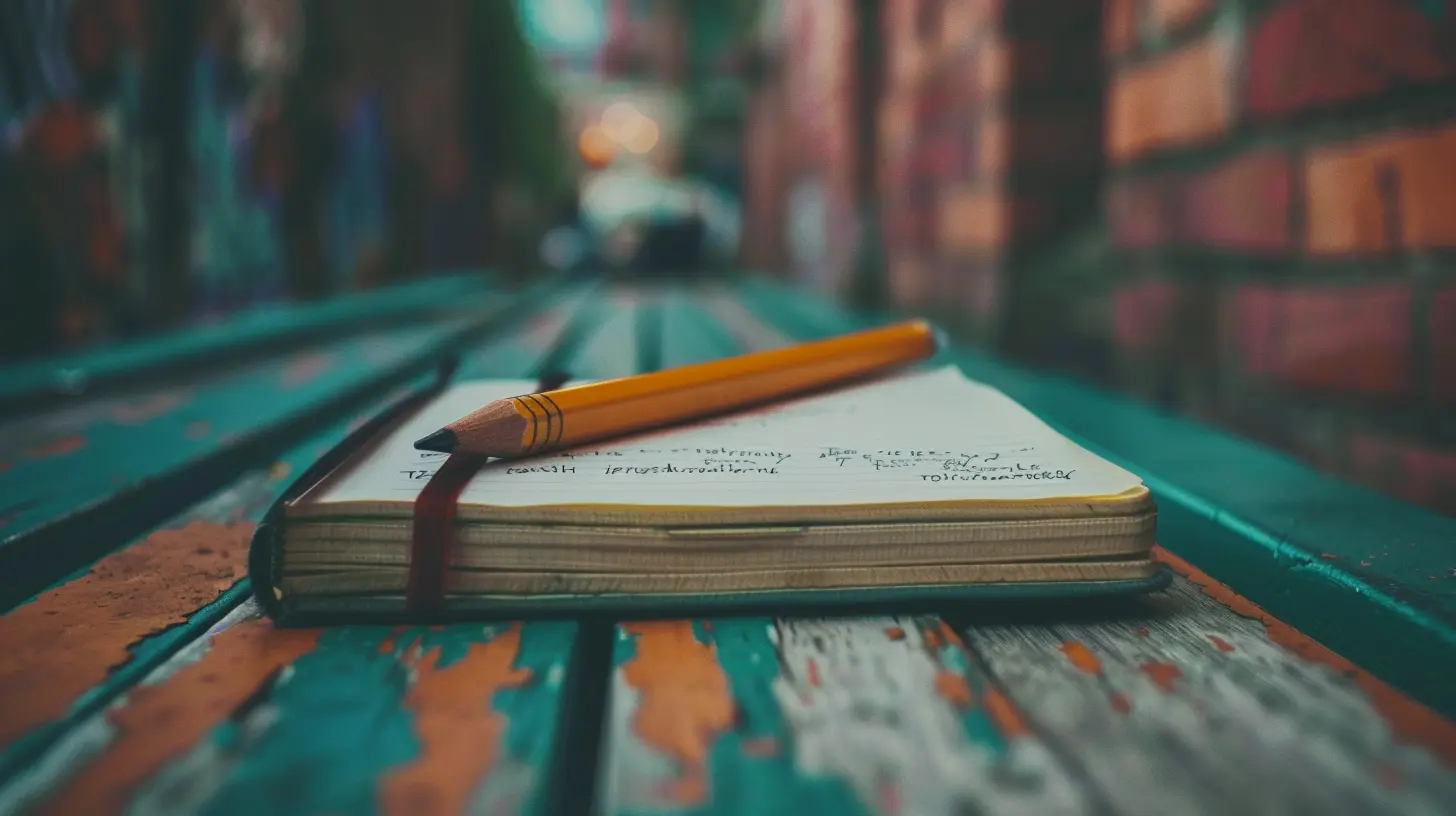
Why Even Bother Proofreading?
Before we sashay into the techniques, let's address the elephant in the room—why is proofreading such a big deal?Simple: because people notice mistakes.
When your writing is clean and professional, your credibility skyrockets. Whether you’re submitting a college essay, crafting a blog post, or sending out a resume, errors can make you look sloppy or careless. Yikes, right?
Proofreading is your final chance to make your writing shine, correct embarrassing mistakes, and ensure your message slaps (in a good way).
Technique #1: Step Away From the Keyboard
Seriously, walk away. Go make some coffee, take a nap, or binge-watch your favorite show. Give your brain some breathing room. Coming back with fresh eyes helps you catch mistakes your tired brain glossed over before.Think of it like baking cookies. If you stick your nose in the oven too soon, they’re half-baked. Let ‘em cool, and boom—perfectly golden. Your writing needs that cooldown time too.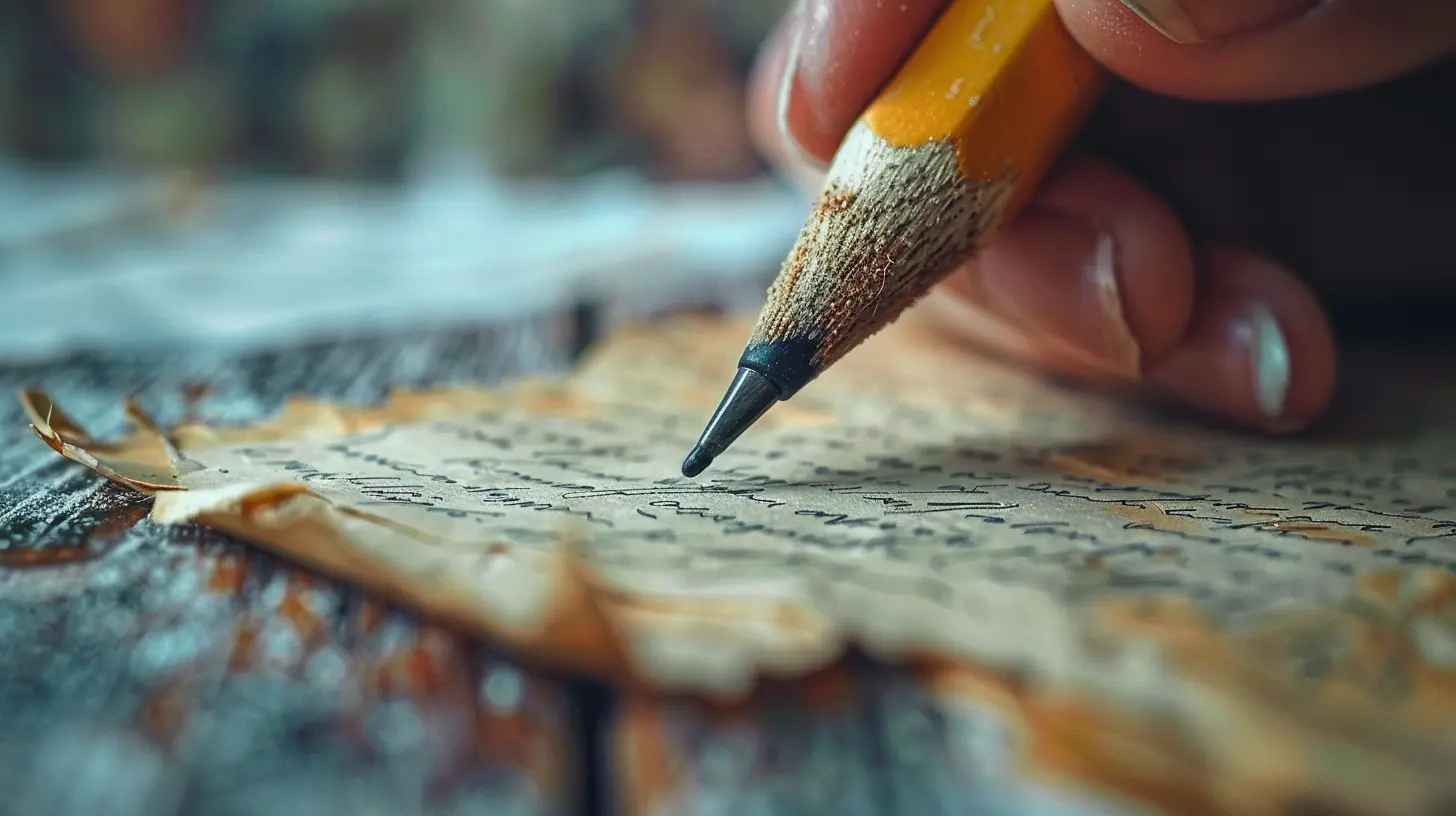
Technique #2: Read It Out Loud (Yes, Aloud Aloud)
There’s nothing like hearing your words to realize they make zero sense. Reading out loud forces you to slow down and actually engage with what you wrote. It’s like having your words audition for clarity—if they flop when spoken, they need to be rewritten.Pro Tip: If something sounds awkward when you read it, trust your gut. Rewrite it. Your readers will thank you.
Technique #3: One Error Type at a Time
Trying to catch every type of error in one go? That’s like juggling chainsaws while riding a unicycle—impressive? Maybe. Smart? Absolutely not.Instead, break it down:
- First pass: Spelling
- Second pass: Grammar
- Third pass: Punctuation
- Fourth pass: Style and tone
This not only makes you more focused but also way more likely to catch sneaky little mistakes that otherwise slip through the cracks.
Technique #4: Watch Those Homophones
Their, there, they’re. Your, you’re. To, too, two. English is filled with these evil twins that love to stir up confusion. Spellcheck won’t save you here—it doesn’t know you meant “there” and not “their.”Be extra cautious. These are the typo ninjas of the English language—silent, deadly, and likely to strike when you least expect it.
Technique #5: Use Tech, But Don’t Trust It Blindly
Okay look, spellcheckers, grammar tools, and AI assistants like Grammarly or Hemingway App are fabulous tools. But are they perfect? Not even close.Use them like a GPS—helpful for direction, but don’t turn off your brain. Tech is your sidekick, not your editor-in-chief.
Remember, even robots make mistakes. Would you let Siri write your essay? Exactly.
Technique #6: Know Your Common Mistakes
Everyone has their Achilles’ heel. Maybe you’re a comma-splicer. Or maybe it’s pesky passive voice that trips you up.Create a “personal blooper list” of your usual suspects and specifically look for those in every proofreading session. It’s like hunting down your writing demons one mistake at a time.
Technique #7: Zoom In (Literally)
Change your font. Increase the size. Print it out if you’re feeling extra. Why? Because changing how your text appears visually forces your brain to read it differently.New font, new vibe—which means fewer blind spots. You’ll be surprised how many errors pop out when your words don’t look so familiar.
Technique #8: Reverse Read (We’re Getting Wild Now)
This one’s a game-changer. Start from the bottom and read your piece sentence by sentence, backwards. No, you’re not losing your mind—this helps you focus on grammar and syntax without getting swept up in the narrative.It’s weird, yes. But weirdly effective.
Technique #9: Get a Second Pair of Eyes
You might be Shakespeare’s long-lost cousin, but trust me—you’re too close to your own writing to catch everything.Let someone else take a look—a friend, classmate, or editor. They’ll spot things you missed because they’re not emotionally attached to that sentence you spent three hours perfecting. Brutal? Maybe. Necessary? Absolutely.
Technique #10: Cut The Clutter
Kill your darlings. Yep, I said it.Look for unnecessary words or filler phrases. Tight writing = strong writing. If a sentence can survive without that extra adjective or adverb, toss it. You’re not a thesaurus—write like a human, not a robot in love with adjectives.
Technique #11: Check For Consistency
Capitalization, headings, font style, hyphenation—consistency is key. Nothing screams “I didn’t proofread this” louder than switching between “e-mail” and “email” or randomly capitalizing stuff.Get nitpicky. Pretend you’re editing the next great novel, because who knows? Maybe you are.
Technique #12: Pay Attention to Numbers and Dates
Yes, even numbers can betray you. Double-check phone numbers, dates, percentages, and calculations. A single digit off can throw your entire piece into question.Numbers don’t lie—but if you mistype them, they're not exactly helping your credibility either.
Technique #13: Use a Checklist
Proofreading isn’t a vibe. It’s a process. And guess what? Processes need checklists.Make yourself a bulletproof proofreading checklist. Here’s a quick starter pack:
- [ ] Spelling
- [ ] Grammar
- [ ] Punctuation
- [ ] Clarity
- [ ] Consistency
- [ ] Homophones
- [ ] Tone/Voice
- [ ] Formatting
- [ ] Dates/Numbers
- [ ] Common personal errors
Cross off each one like a boss. Satisfaction guaranteed.
Technique #14: Know When You’re Done
Look, you could tinker with your writing forever. But at some point, it’s time to hit “Send” or “Publish” and let that baby fly.If you've proofread thoroughly, followed your checklist, and read it out loud without wincing—congrats. You're done (and fabulous).
Final Thoughts: Proofreading Is a Superpower
Don’t let boring grammar rules fool you—proofreading is sexy. Yes, I said it. Being the person who submits flawless, polished work? That’s the kind of energy we’re going for.So next time you wrap up a writing piece, don’t just close the doc and call it a day. Treat it to a little spa day with these proofreading techniques and watch your writing glow with perfection.
Because let’s face it—everyone loves a glow-up.
all images in this post were generated using AI tools
Category:
Writing SkillsAuthor:

Zoe McKay
Discussion
rate this article
2 comments
Meagan Sweeney
What unique techniques do you find most effective?
June 2, 2026 at 12:57 PM
Zoe McKay
Reading aloud helps catch errors that the eyes miss. Also, reviewing work after a break offers fresh perspective.
Kieran McKee
Proofreading transcends mere error correction; it’s a reflection of our respect for language and our audience. Each overlooked mistake is a missed opportunity for clarity and connection. Embracing these techniques not only enhances our writing but also honors the reader’s experience, fostering genuine understanding.
April 17, 2026 at 2:20 AM
Zoe McKay
I completely agree. Proofreading is about more than just fixing errors; it's about showing respect for our readers and ensuring our message is clear. Every detail matters in creating a meaningful connection.