Empowering Your Child Through Parental Encouragement
9 April 2026
Let’s face it—parenting isn’t for the faint of heart. From diaper explosions to teenage eye rolls that could rival a hurricane, the journey is full of surprises. But here’s something a bit more within our control: empowering our children with encouragement.
And no, we’re not talking about mindlessly tossing around “Good job!” like confetti. We’re talking about meaningful, consistent, heartfelt encouragement that gives your child the confidence to take on the world (or at least clean their room without a meltdown).
So grab your favorite snack, get comfy, and let’s unpack how a few words from you can build your child into a strong, confident, and emotionally intelligent rockstar.
What Does "Empowering" Really Mean?
Empowerment sounds a bit like something out of a motivational seminar, doesn’t it? But when it comes to your child, it simply means helping them believe in their own abilities and worth.Think of it like teaching them how to fish instead of just handing them a fish stick every time. Empowering your child isn’t about doing everything for them—it’s about equipping them with the skills and confidence to tackle challenges head-on.
Why Parental Encouragement Is a Big Deal
We all want our kids to be happy and successful. But did you know that your praise, attention, and support play a massive role in how they see themselves?When you encourage your child, you:
- Boost their self-esteem
- Reinforce positive behavior
- Help them develop resilience
- Strengthen your relationship
- Motivate them to try new things
Imagine encouragement as the sunshine your child needs to grow. Without it, they may still bloom—but it’ll be a lot more difficult.
Encouragement vs. Praise: Wait, There's a Difference?
Yep. Encouragement and praise might seem like two sides of the same coin, but they actually hit different notes.- Praise often focuses on the outcome: “You got an A! You’re so smart!”
- Encouragement highlights effort and progress: “I saw how hard you studied—you really stuck with it!”
Encouragement builds intrinsic motivation—the kind that comes from within. It says, “You’ve got the power.” Praise, while still useful, can sometimes make kids feel pressured to always succeed.
So next time your kid nails a drawing of a three-eyed cat, maybe go with, “Wow, you really used your imagination there!” instead of, “You’re such an amazing artist!” Subtle shift, big impact.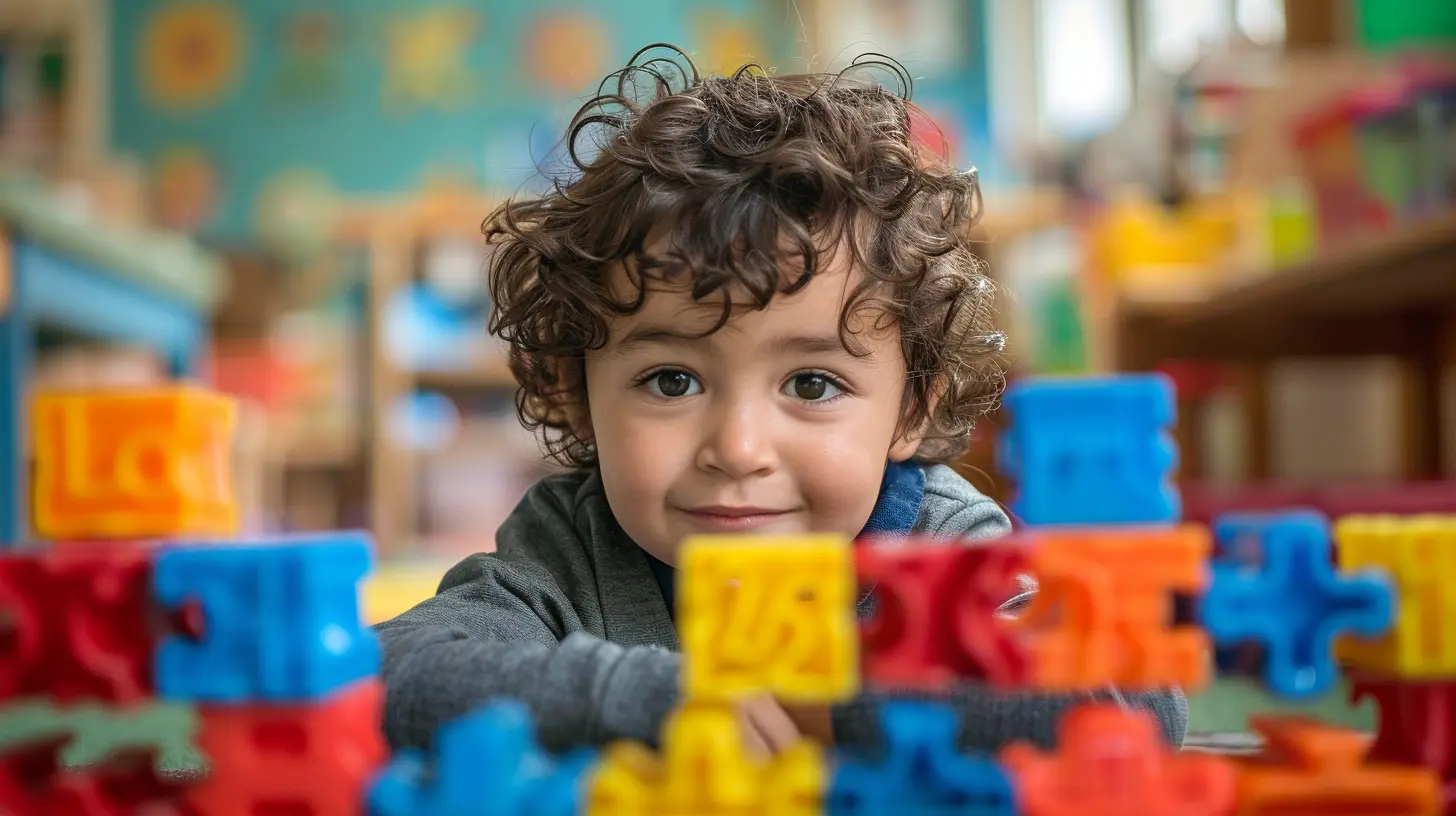
The Building Blocks of Empowerment
Let’s dig into how you can empower your little one without sounding like a motivational speaker at a 9 AM conference.1. Listen (Like, Really Listen)
You know how sometimes we “listen” while mentally running through our to-do list? Yeah, guilty.But kids are smart. They know when you’re tuned in or just nodding along like a bobblehead. Giving them your full attention tells them their thoughts matter.
So next time they’re rambling about the Minecraft pig they befriended? Engage. Ask questions. Be genuinely curious. That small act makes them feel seen and heard.
2. Let Them Make Choices
Want to boost confidence? Give them age-appropriate choices:- “Do you want apple slices or carrots with lunch?”
- “Would you rather do homework before dinner or after?”
Giving kids control in small situations teaches decision-making and responsibility. And it cuts down on power struggles—win-win!
3. Celebrate Effort, Not Just Results
Everyone loves winning. But life’s also packed with failures, flops, and “oops” moments.Encourage your child by honoring their effort, even when the outcome isn’t perfect. Say things like:
- “You worked so hard on that.”
- “Trying something new takes courage. I’m proud of you for giving it a shot.”
This way, they’ll learn that value doesn’t just come from trophies—it comes from trying, growing, and learning.
4. Model Resilience
Kids mirror us more than we’d like to admit. (Ever hear your temper echo back at you in a toddler rage scream? Same.)Show them how to bounce back from setbacks. If you burn dinner? Laugh it off and make cereal. If you mess up? Own it and talk about how you’re going to fix it.
When they see you stumble and recover, they learn that it’s okay to fall—what matters is getting back up.
Encouragement Through the Ages
Encouragement looks different at every stage. Let’s break it down.🌼 Toddlers
These tiny humans are soaking up everything like little sponges. Use simple, enthusiastic words.- “You climbed those steps all by yourself!”
- “Look how you’re helping clean up—thank you!”
Bonus tip: Get down to their eye level. It feels more personal and connected.
🚸 Elementary Kids
At this stage, they’re figuring out what makes them unique.- “I love how you used so many colors in your drawing.”
- “It’s okay that it didn’t work out—you showed a lot of patience trying again.”
Help them label emotions and encourage problem-solving.
🎒 Tweens & Teens
Ah, the age of independence... and sarcasm. They may act like they don’t need you, but they’re quietly craving your validation.- “I see you’ve been really dedicated to that project—nice work.”
- “Even though this outcome wasn’t what you wanted, your effort was amazing.”
Respect their growing autonomy while reminding them you’re still their biggest fan.
Common Encouragement Pitfalls (And How to Avoid Them)
We all mean well, but sometimes our “encouragement” can backfire. Here’s what to watch out for.❌ Overpraising
If every doodle is a “masterpiece,” your child may start relying on external validation. Keep it real and specific.👍 Instead say: “I noticed how detailed you made the trees. That’s awesome attention to detail!”
❌ Comparing to Others
Even if it’s meant positively (“You’re reading so much better than your brother!”), it can create pressure, jealousy, or competition.👍 Focus on their personal growth: “You’ve improved so much in reading lately!”
❌ Being Fake or Forced
Kids know when you’re blowing smoke. Stay genuine. A simple “You should be proud of yourself” can go a long way.Practical Encouragement Tips You Can Start Today
1. Use Encouraging WordsWords like “I believe in you,” “That took guts,” or “You’ve got this!” are like emotional fuel.
2. Be Their Cheerleader
Show up. Be present at the science fair. Watch their 13-minute magic trick show. Your interest matters more than your applause.
3. Reframe Mistakes as Learning Opportunities
“What do you think you could do differently next time?” teaches problem-solving.
4. Show Physical Affection
Hugs, high-fives, and fist-bumps say “I support you” louder than words sometimes.
Encouragement in the Real World: It Works!
Look, parenting isn’t about perfection—it’s about connection.Studies show that kids who grow up with positive reinforcement:
- Perform better academically
- Are more emotionally resilient
- Make healthier choices
- Build better social relationships
Encouragement gives your child the inner strength to try, fail, and try again. It's like handing them a flashlight when they’re scared of the dark. You're not making the darkness disappear, but you're helping them see they can face it.
Final Thoughts: Your Words Matter More Than You Think
You don’t need a psychology degree or super-parent cape to empower your child. What they need is you—your love, your belief in them, and those small everyday moments of support.Whether it’s helping them brave their first school play or simply letting them mix the pancake batter (even if it ends up on the ceiling), know this: Your encouragement is planting seeds of confidence that will grow for a lifetime.
So go ahead—be that gentle nudge, their biggest believer, and the warm voice that reminds them, “You’ve got this.”
Because with your encouragement? They totally do.
all images in this post were generated using AI tools
Category:
Parent InvolvementAuthor:

Zoe McKay
Discussion
rate this article
2 comments
Astrid Roth
This article beautifully highlights the importance of parental encouragement. By fostering a supportive environment, parents can empower their children to build confidence, develop skills, and embrace challenges. A must-read for every parent.
May 19, 2026 at 12:38 PM
Zoe McKay
Thank you for your kind words! I'm glad you found the article valuable. Supporting our children is so crucial for their growth.
Taryn McLanahan
Like a sunflower stretches for the sun, a child's potential blossoms with encouragement—let's be the sunshine in their garden!
April 15, 2026 at 12:49 PM
Zoe McKay
Thank you for this beautiful metaphor! Encouragement truly nurtures a child's growth, helping them shine their brightest.