Building a Supportive Classroom Culture to Increase Engagement
30 January 2026
Creating a classroom where students feel safe, valued, and inspired isn’t just a nice-to-have — it’s essential. If you've ever walked into a room buzzing with energy, where students are asking questions, helping each other, and genuinely excited to learn, there's a good chance a strong, supportive culture is behind it all.
In contrast, a classroom that lacks connection or mutual respect can feel like a ghost town — disengaged students, minimal participation, and a lot of clock-watching. Sound familiar? Don’t worry. The good news is this: building a supportive classroom culture is totally doable. And once you get it going, that positive rhythm becomes contagious.
Let’s take a deep dive into how to create that vibe — one that fuels engagement and makes your classroom the kind of place students actually want to be.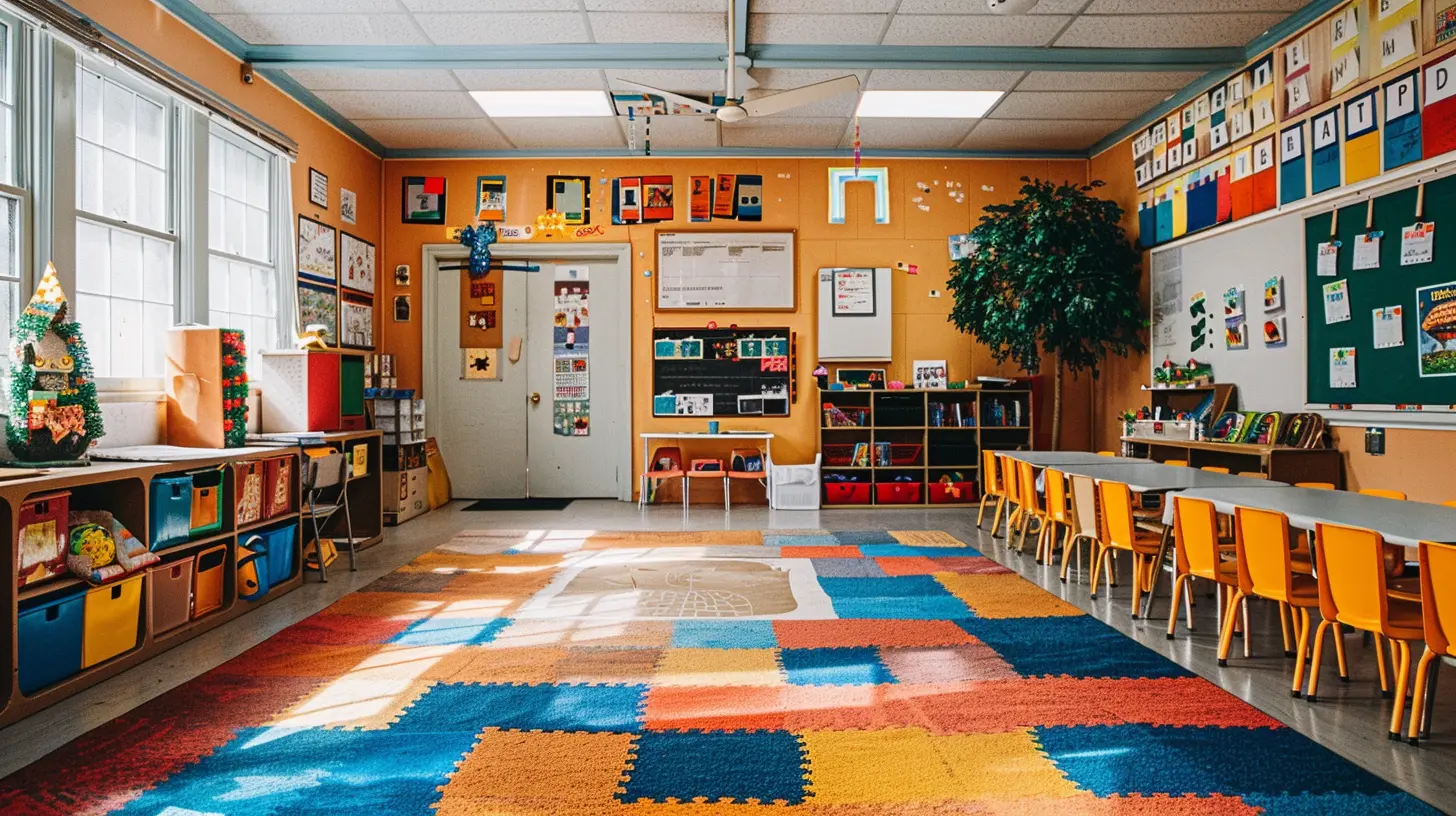
Why Classroom Culture Matters More Than You Think
Before we get into the how-to, let’s talk about the why.At its core, classroom culture is the personality of your learning space. It’s shaped by everything — from the tone you set on day one to how you handle mistakes and celebrate progress. When students feel respected and part of a community, they're more likely to participate, take academic risks, and stay motivated.
Think about it like this: Would you be more likely to speak up in a meeting where your ideas are welcomed or one where they're met with silence or judgment? Exactly.
Creating a culture that supports students emotionally and socially makes it easier for them to engage academically. It’s not just about raising hands and completing assignments. It’s about sparking curiosity, inviting collaboration, and nurturing a sense of belonging.
Pillars of a Supportive Classroom Culture
Alright, now let's roll up our sleeves. To build a supportive culture, you need a few core ingredients. These aren't quick fixes, but they’re powerful when practiced consistently.1. Relationships Are Everything
Let’s be real: People don’t care how much you know until they know how much you care. Start by getting to know your students as individuals. What are their interests? What motivates them? What challenges are they facing?Simple things help:
- Greet students at the door.
- Use their names often.
- Check in regularly — even a “How are you doing today?” can go a long way.
When students feel seen, they’re more likely to engage. It’s like planting seeds — relationships grow with time, attention, and a bit of patience.
2. Set Clear Expectations (And Stick to Them)
Ever played a game where no one explained the rules? Super frustrating, right?Your classroom is no different. Students need to know what’s expected behavior-wise and academically. But here’s the kicker: consistency matters. If you enforce a rule one day and ignore it the next, things get confusing fast.
Make your expectations collaborative when possible. Let students help create class norms — it makes them feel invested and more likely to follow through.
3. Create a Safe Space to Fail
This one’s huge.A supportive classroom encourages risk-taking. That means mistakes aren’t punished — they’re considered part of the learning process.
Try saying things like:
- “That’s an interesting take. Let’s break it down together.”
- “I love how you gave that a shot!”
- “What can we learn from this attempt?”
Normalize struggle. After all, no one learns to ride a bike without a few spills. Encourage students to reflect and keep trying. Growth mindsets thrive in classrooms where failure isn’t feared.
4. Celebrate Progress (Not Just Perfection)
Spoiler alert: Not every student will get an A. But every student can make progress, and that’s worthy of celebration.Make an effort to spotlight improvements — no matter how small. Maybe someone who never spoke up in class finally joined a discussion. Or someone raised their grade by even one letter. Those wins matter.
Use:
- Positive feedback
- Shout-outs
- Notes or tokens of recognition
- Class-wide celebrations of effort
These little nudges boost confidence and reinforce the idea that trying matters.
Engagement Starts With Inclusion
When students feel excluded — due to ability, background, learning style, or personality — their engagement tanks. That's why you need to build a culture where everyone feels like they belong.1. Embrace Diverse Learning Styles
One size never fits all — and that goes for teaching too. Some students thrive with visuals, others need to talk it out, and a few might surprise you with hands-on brilliance.Mix it up:
- Use multimedia clips
- Include group and solo work
- Offer choices in assignments
Let them show what they know in different ways. It keeps things fresh and meets everyone where they are.
2. Promote Student Voice
Students want to feel like their opinions matter — because they do. Give them a say in their learning experience.Here are some ideas:
- Let them vote on project topics
- Ask for feedback on teaching methods
- Allow reflection journals to share thoughts
When students contribute to the conversation, they feel ownership. And ownership = engagement.
3. Be Culturally Responsive
Representation matters. Use materials that reflect diverse cultures, backgrounds, and experiences. Whether it’s books, case studies, historical figures, or examples in math problems — show students they’re part of the narrative.Also, be curious. Ask questions. Listen. Learn alongside your students. That mutual respect can break down barriers and open doors to real connection.
The Role of Routines and Consistency
Here’s a truth bomb: Chaos kills engagement.Students need structure to feel secure. When they know what comes next, they can focus more on learning and less on survival mode.
That doesn’t mean your classroom needs to run like a military operation. But having predictable routines — for starting class, transitioning, asking questions, or turning in work — gives students a sense of stability.
Pro tip: Post routines where everyone can see them. Teach them early and revisit them often.
Encouraging Collaboration and Peer Support
An engaged classroom isn’t just about teacher-student relationships — it’s about peer connections too.When students collaborate, they:
- Learn from different perspectives
- Teach each other (which reinforces concepts!)
- Build social skills that go beyond school
Here are a few ways to build that peer-powered support:
- Think-Pair-Share activities
- Group projects with defined roles
- Peer tutoring or mentoring systems
- Team challenges with a fun twist
Make sure you rotate groups and pairings to prevent cliques and increase inclusion. You're not just building academic partnerships — you’re nurturing a community.
Handling Conflict Without Crushing Morale
Let’s face it: Conflict happens. Kids argue. Tensions rise. But the way you handle it can either fuel fear or foster growth.In a supportive culture, conflict is a moment for learning, not punishment.
Try this when things go sideways:
1. Stay calm. (Even if you're steaming inside.)
2. Listen to all sides with empathy.
3. Guide students toward resolution and reflection.
4. Reinforce class norms without shame or blame.
Let students know that mistakes in behavior — just like academic ones — are opportunities to grow. That transparency builds trust.
Don’t Forget About You!
You can’t pour from an empty cup.Building a supportive classroom takes energy, consistency, and heart. But if you don't take care of yourself, burnout isn’t far behind.
- Set boundaries.
- Celebrate your own wins.
- Connect with other educators for support.
When you're at your best, you're better able to support your students.
Bringing It All Together
Look — building a supportive classroom culture isn’t about grand gestures or being a superhero. It's about the everyday choices you make: the kind words, the fair expectations, the way you teach kids to treat each other (and themselves).And the payoff? A space where students aren’t just surviving — they’re thriving. They’re raising hands, challenging ideas, helping peers, and maybe even smiling along the way.
Remember: your classroom isn’t just where information is delivered — it’s where lives are shaped. And with the right culture, every student feels like they matter, because they do.
Final Thoughts
Creating a classroom that supports engagement doesn’t happen overnight, but it’s 100% within your reach. Start small. Focus on relationships. Be consistent. Celebrate progress. Include every voice. And never underestimate the power of connection.You’ve got this — and your students will thank you for it.
all images in this post were generated using AI tools
Category:
Student EngagementAuthor:

Zoe McKay
Discussion
rate this article
2 comments
Michelle Porter
Creating a supportive classroom culture fosters engagement, motivation, and a sense of belonging for students.
March 3, 2026 at 5:10 AM
Zoe McKay
Absolutely! A supportive classroom culture is key to enhancing student engagement and fostering a strong sense of belonging.
Ardent Thornton
Great insights on fostering a supportive classroom culture! Encouraging open communication and collaboration among students can significantly enhance engagement. Incorporating diverse activities that cater to different learning styles could further strengthen this positive environment. Keep up the good work!
January 31, 2026 at 5:03 AM
Zoe McKay
Thank you for your thoughtful comments! I completely agree that open communication and diverse activities are key to enhancing engagement. Your insights are appreciated!