Addressing Burnout: Self-Care Strategies Every Teacher Should Know
7 March 2026
Teaching is one of the most rewarding professions out there, but let’s face it—it’s also one of the most exhausting. Between grading, lesson planning, parent-teacher conferences, and trying to squeeze in a personal life, it’s no surprise that many teachers experience burnout sooner or later. If you’re feeling like your emotional fuel tank is running on empty, you’re not alone. And you’re not weak, either. Burnout happens, and the good news? It can be addressed, managed, and even prevented.
In this guide, we’ll talk about what burnout really looks like, why it happens, and most importantly—simple, effective self-care strategies every teacher should have in their toolbox.
What Exactly Is Teacher Burnout?
Let’s start with the basics. Teacher burnout is more than just being tired or having a tough week. It’s a chronic state of physical and emotional exhaustion that often comes with feelings of cynicism, detachment, and a sense of ineffectiveness on the job.Sound familiar?
Burnout creeps up slowly. One day you're passionate, full of energy, connecting with students. The next, you’re watching the clock, dreading Monday, and struggling to stay engaged.
It’s not about laziness. It’s not about being unfit for the job. Burnout is what happens when prolonged stress isn’t managed properly—and it affects tons of educators worldwide.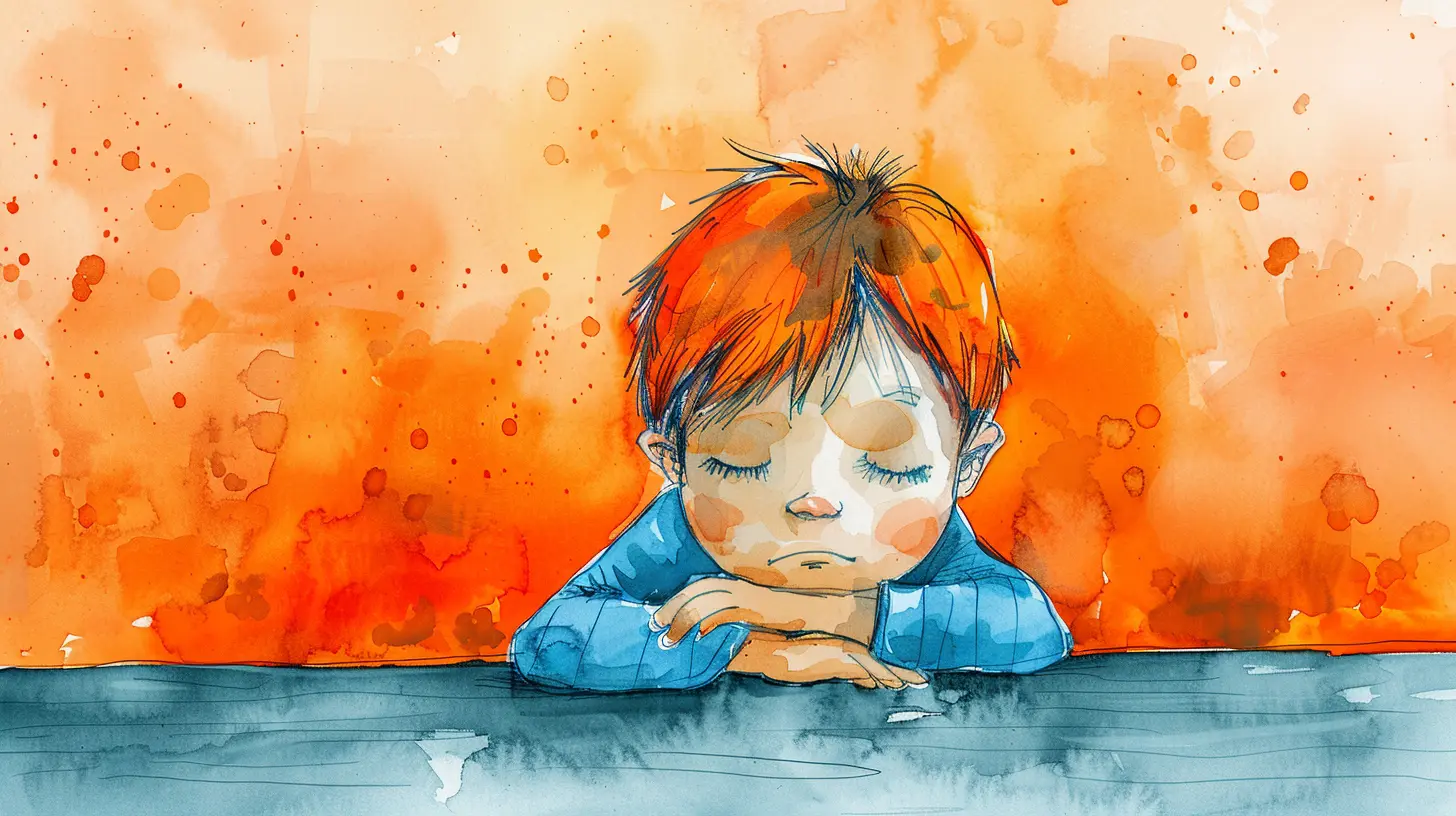
Signs You Might Be Burned Out
Let’s not sugarcoat it. Ignoring burnout doesn’t make it disappear. In fact, pretending everything’s fine can make it worse. So, be honest with yourself. Here are some telltale signs:- Constant fatigue—even after a full night’s sleep
- Loss of passion or enthusiasm for teaching
- Feeling irritable or short-tempered with students or coworkers
- Trouble concentrating or staying organized
- Physical symptoms like headaches, stomach issues, or muscle tension
- Emotional detachment or apathy toward your job
If you’re nodding your head to more than one of these, it’s time for a reset. But here’s the thing: you don’t need a dramatic life change. What you need is a practical, daily approach to self-care.
Why Are Teachers at a Higher Risk of Burnout?
There’s no easy answer, but one thing’s clear—teachers wear a lot of hats. Mentor, coach, counselor, referee, parent-stand-in… and that’s not even counting admin duties, meetings, and afterschool programs. The emotional labor alone is massive.Plus, teaching takes place in a system that, let’s be real, doesn’t always prioritize teacher wellness. Large class sizes, limited resources, standardized testing pressures—it all adds up.
Add a tendency among educators to "power through," and burnout becomes almost inevitable.
The Role of Self-Care in Combating Burnout
Self-care has become a bit of a buzzword. But let’s cut through the fluff. It isn’t about bubble baths and spa days—unless that’s your thing (no judgment!). Real self-care is about protecting your energy, setting boundaries, and making your well-being a priority.Think of it as fuel for your teacher-engine. Without regular maintenance, even the best machines break down.
So, what does this look like in real life?
Self-Care Strategy #1: Set Boundaries Like a Boss
The best teachers are often those who care the most. But caring too much, all the time, without guardrails? That’s a straight path to burnout.You can’t pour from an empty cup. So start saying “no” when your plate is already full. Set a hard stop time at the end of the day. Don’t check emails on weekends. Create clear boundaries between school and home—and guard them like your peace depends on it. Because, truthfully, it does.
Self-Care Strategy #2: Create a Daily Wind-Down Ritual
When you leave the building, do you mentally clock out, or are you replaying the day in your head all night?Develop a transition routine to shift gears from teacher mode to personal life. Maybe it’s a walk, a podcast on the commute, or just five minutes of deep breathing when you get home. Whatever works for you, make it a ritual. This helps your brain learn when it’s time to rest.
Self-Care Strategy #3: Prioritize Sleep Like Your Sanity Depends on It
Let’s not glorify hustle culture. Being a sleep-deprived teacher hero doesn’t earn you a medal—just more stress.Aim for 7–9 hours of quality sleep. Keep screens out of the bedroom. Use blue light filters in the evening. Create a wind-down routine that signals bedtime to your body.
Trust me, your mood, memory, and patience levels will thank you.
Self-Care Strategy #4: Move Your Body
We’re not saying you need to hit the gym every day or run a marathon. But regular movement—whether it's dancing in the living room, a yoga class, or a brisk walk—releases endorphins, boosts energy, and reduces anxiety.Try turning on a 10-minute YouTube workout in the morning. Even better? Get outside. Sunshine and fresh air are nature’s therapy.
Self-Care Strategy #5: Feed Yourself—Literally
Skipping lunch to catch up on grading? Eating chips for dinner because you’re too tired to cook? Been there, done that.But food is fuel. And when you’re running on empty calories, your brain and body can’t perform.
Prep some easy meals ahead of time. Keep healthy snacks in your desk drawer. Drink more water. It’s not about diets—it’s about giving your body what it needs to function.
Self-Care Strategy #6: Reconnect with Your “Why”
Burnout often makes you forget why you started teaching in the first place.Take time to reflect on the moments that bring you joy in the classroom. Save thank-you notes from students. Remind yourself of the lives you touch every single day.
You’re doing more than teaching subjects—you’re shaping futures.
Self-Care Strategy #7: Talk It Out
Bottling everything up? That’s a fast track to emotional overload.Whether it’s a mentor, a therapist, your partner, or a fellow teacher who "gets it"—talking through your struggles is powerful. You’re not weak for needing support. You’re smart for seeking it.
And if your school doesn’t offer mental health resources? Advocate for them. Teachers deserve just as much support as they give.
Self-Care Strategy #8: Schedule Joy Like You Schedule Meetings
You plan every lesson to the minute. Why not plan fun the same way?Set regular time aside for activities that light you up. It could be reading a book, gardening, painting, watching your favorite show—whatever makes you feel like "you" again.
It’s not selfish. It’s essential.
Self-Care Strategy #9: Declutter Your Mind and Space
A cluttered desk can mirror a cluttered mind. Spend time each week organizing your workspace. It boosts your mood and productivity.But don’t stop there—declutter your mind, too. Journaling, meditation, or simply sitting in silence can help you process emotions and mental clutter.
Self-Care Strategy #10: Celebrate the Small Wins
Not every day ends with a standing ovation from your students. But every day has its own little victories—recognize them.Did a shy student speak up today? Did you finally finish grading that huge stack of papers? Celebrate it.
Acknowledging progress keeps your morale up and helps fight that feeling of "nothing's ever enough."
Teaching Can Be Tough—But You’re Tougher
Burnout isn’t a sign of failure—it’s a signal. A message from your mind and body that it's time to change the rhythm.By embracing self-care, you're not only protecting your own health—you’re becoming a more present, effective, and joyful educator.
Remember, your well-being is non-negotiable. You deserve to feel fulfilled not just as a teacher, but as a whole human being.
So, take that break. Ask for help. Laugh more. Sleep better. Say “no” when you need to. And always, always make room for you in your own life.
Because the best version of you is the one who has the energy to keep inspiring others.
Final Thought: You Can’t Teach from an Empty Tank
You wouldn’t let your car run on fumes, so why let yourself?Make these self-care strategies part of your lifestyle, not just your emergency plan. Your students will still learn, your classroom won’t fall apart, and most importantly—you’ll thrive, not just survive.
Teacher burnout is real. But with the right tools, mindset, and support, you can beat it.
You've got this.
all images in this post were generated using AI tools
Category:
Teacher TrainingAuthor:

Zoe McKay
Discussion
rate this article
2 comments
Tiffany Fields
Empower yourself with self-care—reignite your passion and transform your teaching journey!
March 30, 2026 at 3:45 AM
Zoe McKay
Absolutely! Prioritizing self-care can truly rejuvenate our passion and enhance our teaching experience. Thank you for the reminder!
Nix Fisher
Great article! Prioritizing self-care is essential for teachers to combat burnout. Simple strategies can significantly enhance well-being and classroom effectiveness.
March 8, 2026 at 5:58 AM
Zoe McKay
Thank you! I'm glad you found it helpful. Prioritizing self-care is indeed vital for teachers to maintain their well-being and effectiveness.